
How Should Fan Turn In Winter
Alright, friend, pull up a comfy chair, maybe grab a warm beverage. We need to talk about something that might seem utterly baffling at first glance: fans in winter. I know, I know, your brain probably just did a little record scratch. "Fans are for summer, right?" you're thinking. "For when you're melting faster than an ice cream cone on a hot sidewalk!"
And you're not wrong! Traditionally, that's their jam. But what if I told you your trusty ceiling fan can actually be your secret weapon against chilly drafts and high heating bills during the colder months? Mind blown? Good, let's dive into this cozy little secret.
The Great Spin Debate: Up or Down?
So, here's the million-dollar question: how should your fan turn in winter? Is it clockwise? Counter-clockwise? Do you need a fancy fan compass? Nope, it's simpler than that, and it all boils down to a bit of basic physics, which I promise not to make boring.
Must Read
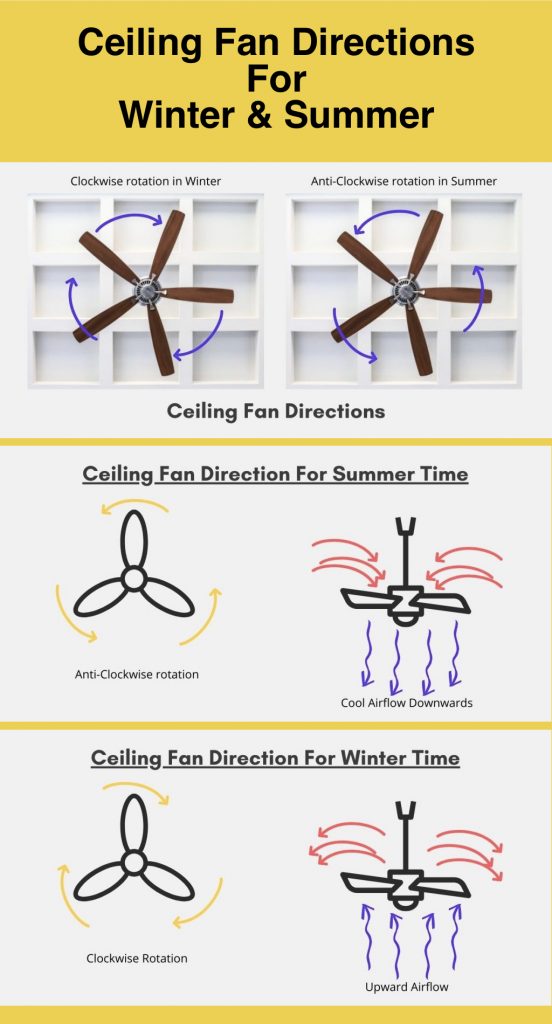
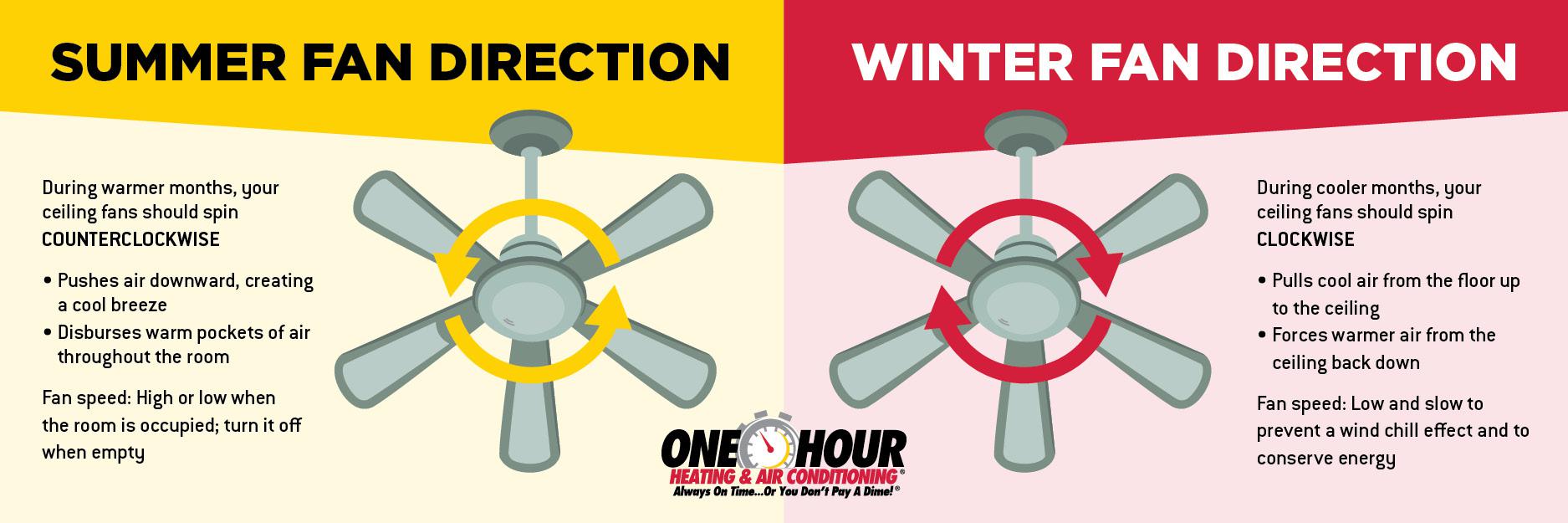
Let's briefly revisit summer. In the glorious heat, your fan spins counter-clockwise (when looking up at it from below). This pushes air down, creating a lovely breeze that makes you feel cooler by evaporating sweat from your skin. It's like having a personal wind god in your living room.
But in winter, we're not trying to cool down. Oh no, quite the opposite! We're trying to keep all that beautiful, expensive warmth from escaping to the ceiling, where it just hangs out, laughing at you from above. Heat rises, you see. It's a bit of a show-off, always heading for the top.
The Winter Spin: Reverse and Reclaim!
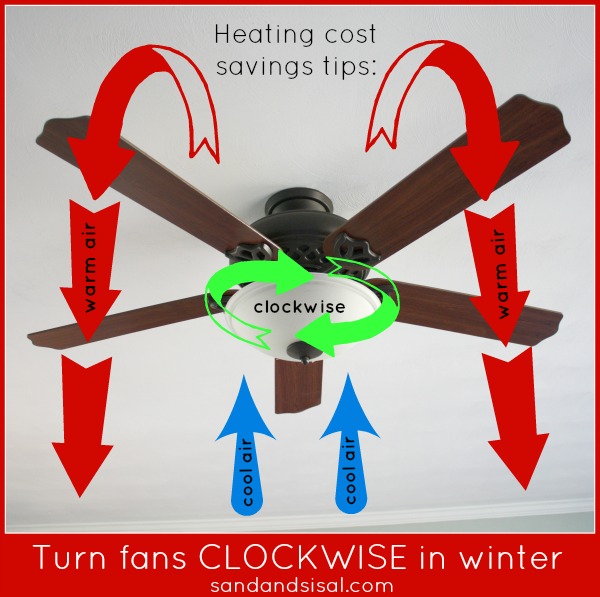
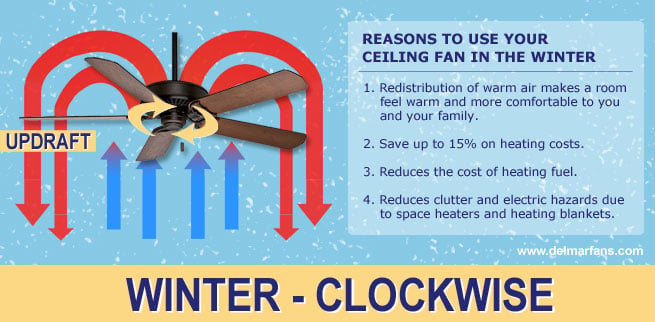
This is where the magic happens, folks. For winter, you want your fan to spin clockwise (again, looking up from below). What this does is a bit counter-intuitive but super effective: it creates an updraft, gently pulling cooler air up towards the ceiling.
As the cool air gets pulled up, it nudges that warmer air (the show-off, remember?) away from the ceiling and down the walls, recirculating it back into your living space. It’s like a gentle, silent convection current, pushing the warmth back down where you can actually feel it. No chilly drafts, just a more even, comfortable temperature throughout the room.

Think of it as giving your hot air a friendly little pat on the back and saying, "Hey there, buddy, come on down! We need you on the ground!"
Speed Matters: Slow and Steady Wins the Warmth Race
Now, while you've reversed the direction, don't go full blast with the speed! This isn't a helicopter trying to take off. For winter, you want your fan on its lowest speed setting. We're aiming for a gentle, even circulation, not a hurricane. A slow spin ensures that the air is mixed gently without creating any perceptible breeze that would make you feel colder. We're stirring the air, not churning butter.
Why Bother? The Cozy Benefits!
So, besides feeling like a super-savvy home efficiency guru, what are the perks of this winter fan wisdom?
- Energy Savings: Because you're effectively distributing heat, your thermostat won't have to work as hard. You might even be able to lower your thermostat by a degree or two and still feel just as warm, which can translate into noticeable savings on your heating bill. Cha-ching!
- Consistent Comfort: Say goodbye to cold spots near the floor and stuffy heat near the ceiling. Your room will feel more uniformly cozy.
- Less Strain on Your Heater: Your heating system will thank you for the assist!
How to Reverse Your Fan (It's Easy, Promise!)
Most ceiling fans have a little switch on the motor housing itself. It's usually a tiny, subtle slider switch. You'll need to turn your fan off completely first (for safety, please!), let the blades come to a full stop, and then flip that switch. Give it a minute, turn the fan back on, and watch which way the blades are spinning. If you're standing directly under it, looking up, they should be moving clockwise.
If you're unsure, just stand beneath it. If you feel a cooling breeze, it's still in summer mode. If you feel nothing but a gentle movement of air that feels warmer, you've nailed it!
So, there you have it! Your ceiling fan, often relegated to summer duty, is actually a year-round superstar. A simple flip of a switch can make your home feel toastier, your heating bills a little lighter, and your inner efficiency expert incredibly proud.
Go forth, my friend, reverse those blades, and enjoy a wonderfully warm and efficient winter. Your home (and your wallet) will thank you!