How Should Disinfected Electrodes Be Stored
Think of electrodes, not just as tools in a science lab, but as paintbrushes wielding the invisible force of electricity! Electro-etching, electroforming, even simple circuit crafts are buzzing with popularity. Forget complicated canvases; now you can etch intricate designs onto metal, mold fantastical shapes, and bring your projects to life with a literal spark. This electrifying trend is more accessible than you might think, opening a world of creative possibilities.
The benefits for artists, hobbyists, and casual learners are truly electrifying! (Pun intended!). For artists, electro-etching offers unparalleled precision. You can create incredibly detailed designs on metal surfaces, impossible to achieve with traditional methods. Imagine etching a delicate floral pattern onto a copper plate for a print, or adding unique textures to jewelry. Hobbyists will love the versatility of electroforming – the ability to grow metal around virtually any object. Think of coating delicate leaves in copper to create beautiful, durable pendants, or turning 3D printed models into stunning metal sculptures. And for the curious learner? Building simple circuits with conductive electrodes is a fantastic way to understand basic electronics and create fun, interactive art.
The possibilities are as vast as your imagination. Consider the electro-etched jewelry of Sarah Hood, whose intricate designs are inspired by nature and architecture. Or explore the world of electroformed sculptures by Matthew Hooper, whose organic forms seem to grow from the metal itself. Even at home, you could try etching simple geometric patterns onto copper sheets for coasters, or electroforming a found object like a dried flower into a unique piece of wearable art. From steampunk-inspired gadgets to delicate botanical jewelry, the styles, subjects, and variations are truly endless.
Must Read
So, how can you try this at home? Safety is paramount! Always work in a well-ventilated area and wear appropriate protective gear, including gloves and eye protection. Start with simple projects using readily available materials. You can often find electrode kits and starter solutions online. When choosing your electrodes, remember that they come in various materials, each with its own properties and uses. Copper electrodes are excellent for etching copper, while graphite electrodes are commonly used for electroforming. The type of electrolyte solution you use is also crucial for achieving the desired results. Research your project carefully and follow all instructions meticulously. And remember the golden rule: experiment! Don't be afraid to try different techniques and materials to discover your own unique style.

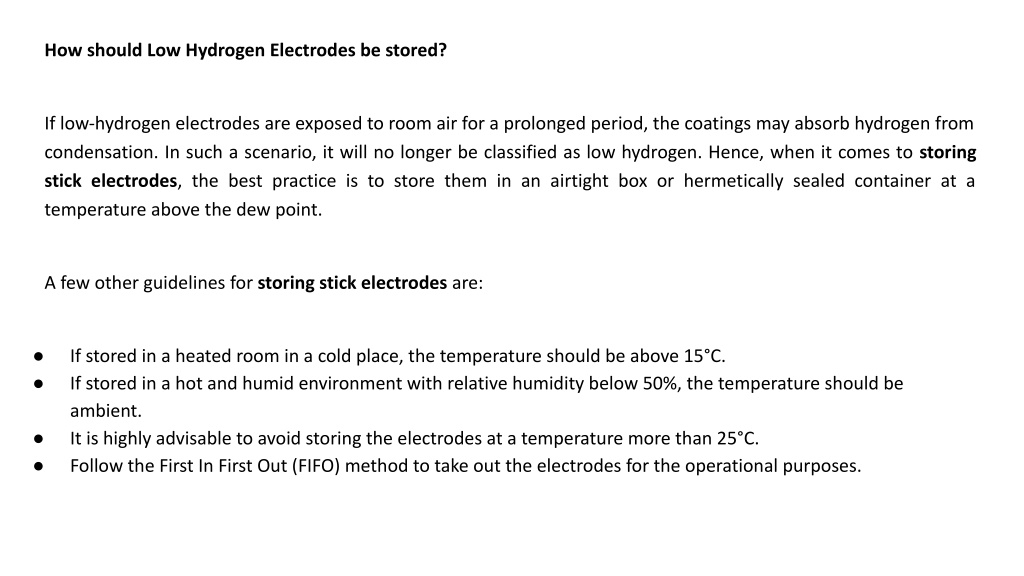
Now, after your electrifying adventures, comes the responsible part: proper electrode storage. Always disconnect the electrodes from the power source before handling them. Clean the electrodes thoroughly with distilled water to remove any residual electrolyte solution. Allow them to air dry completely. Store your disinfected electrodes in a dry, non-reactive container or bag. This prevents corrosion and ensures they are ready for your next project. Proper storage helps maintain the lifespan and effectiveness of your electrodes, guaranteeing they're primed for more electrifying creations!
Ultimately, the best part about experimenting with electrodes and electricity is the sheer joy of creation. There's something incredibly satisfying about manipulating these invisible forces to bring your artistic visions to life. It's a blend of science and art, offering a unique and rewarding experience for anyone willing to give it a try. So, plug in, power up, and get ready to be amazed by the possibilities!