
How Often To Water My Garden
Okay, pull up a chair, grab a coffee, because we need to talk about watering. It's the ultimate garden mystery, isn't it? You buy a plant, you love a plant, you water a plant, and then... it either thrives like it just won the plant lottery or it stages a dramatic, leaf-dropping protest like a teenager who's been told to clean their room. "How often to water?" is the million-dollar question, and frankly, if you figure out the exact scientific answer, please tell NASA. Until then, let's chat about some surprisingly simple, and occasionally hilarious, truths.
The Great "It Depends" Conundrum
I know, I know. That's the most annoying answer to any question ever. But with watering, it’s like saying "how often should I eat?" – well, it depends! Are you a hummingbird or a bear preparing for hibernation? See? Same with plants.
Your watering schedule is a secret handshake between your plant, your soil, and the weather gods. Forget a rigid daily routine; think of it more like a really intense, long-term relationship where you're constantly reading the room.
Must Read
Forget the Calendar, Use Your Fingers (and Your Brain!)
The number one rule, the golden nugget, the holy grail of watering wisdom: Don't water on a schedule. Water when your plants need it.
How do you know when they need it? Well, you could ask them, but they tend to be a bit quiet. So, we resort to the age-old, slightly grubby "finger test." Stick your finger about an inch or two into the soil near your plant. If it feels dry, like the Sahara Desert after a particularly thirsty Tuesday, then it’s watering time. If it's damp, like a forgotten towel at the bottom of a laundry basket, then hold your horses. Give it another day.
For potted plants, an even better trick is to lift the pot when it’s dry, feel how light it is, and then lift it again after watering. The weight difference is your new best friend. It’s like magic, but with dirt and water!

The Cardinal Sin: Shallow Sprinkling
Listen, if you're just giving your plants a light sprinkling on the surface, you might as well be whispering sweet nothings to them. It's not helping! That's like giving a thirsty marathon runner a single drop of water. They're going to give you the stink eye.
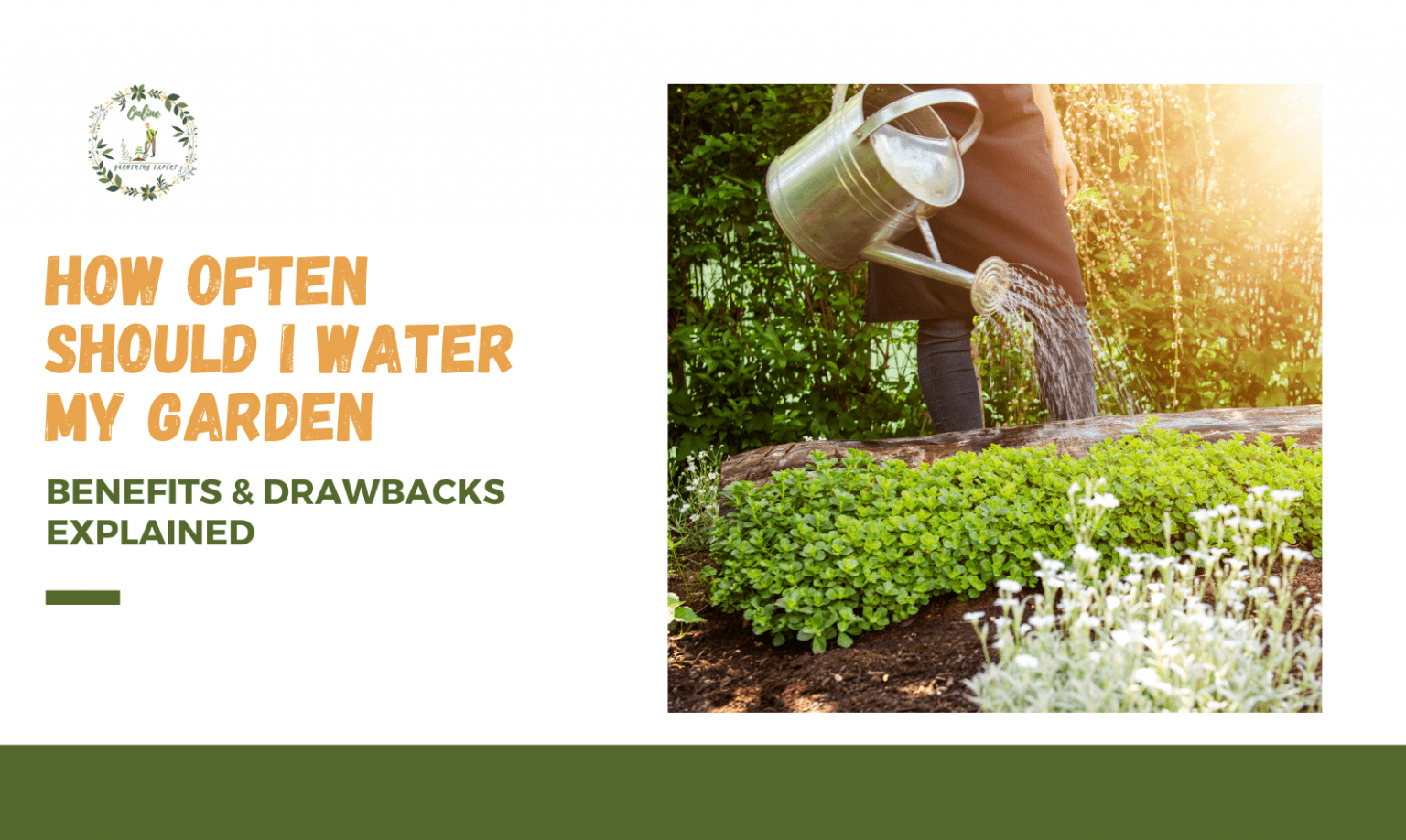
You need to water deeply. I'm talking a long, slow drink until water drains out the bottom of your pot (if it's potted) or until the soil is thoroughly saturated a good 6-8 inches down (if it's in the ground). This encourages roots to grow deep, making your plant more resilient and less prone to wilting at the first sign of sun.
Plant Personalities: The Drama Queens and The Stoics
Not all plants are created equal in the thirst department. Some are total drama queens, wilting dramatically at the mere thought of a dry spell (I'm looking at you, hydrangeas and impatiens). Others are stoic desert dwellers, perfectly content to sip slowly, like a cactus judging your overwatering habits from afar.

- Thirsty bois: Annuals, vegetables (especially fruiting ones like tomatoes), and leafy greens. They drink like sailors on shore leave.
- Chillers: Succulents, lavender, rosemary, and many native plants. These guys prefer to dry out between waterings. Overwatering them is basically sending them to an early, squishy grave.
Know your plants! A quick Google search for "watering needs of [plant name]" is your friend. It's like checking their dating profile before you commit.
Soil and Sunshine: The Unsung Heroes (or Villains)
Your soil is either a trusty sponge or a leaky sieve. Sandy soil drains super fast, so your plants might need more frequent drinks. Clay soil holds water like a stubborn mule, so be careful not to drown your poor roots. The ideal? A nice, loamy soil with plenty of organic matter – it's like the Goldilocks of garden beds, just right.
And then there's the weather. Is it a scorching, windy summer day that's drying out everything faster than you can say "evaporation"? Or is it a cool, cloudy week where the soil stays damp for ages? Adjust accordingly! It's not rocket science, just basic observation. If you wouldn't stand outside in 100-degree heat for hours without a drink, neither should your petunias.

The Best Time for a Drink: Early Bird Gets the Worm... and the Water!
The optimal time to water is in the early morning. Why? Because the air is cooler, there's less wind, and less water evaporates before it has a chance to sink into the soil. Plus, your plant's leaves have all day to dry out before nightfall, which helps prevent fungal diseases. Watering in the middle of the day is like trying to fill a bucket with a hole in it – most of the water just disappears into thin air.
Watering at night? Not the worst thing ever, but it leaves your plant's leaves wet overnight, which is basically an open invitation for all sorts of fungal nasties to set up shop. Think of it as leaving wet clothes in the washing machine overnight – it just gets a bit… funky.
The Art of Observation: Your Plant is Talking To You
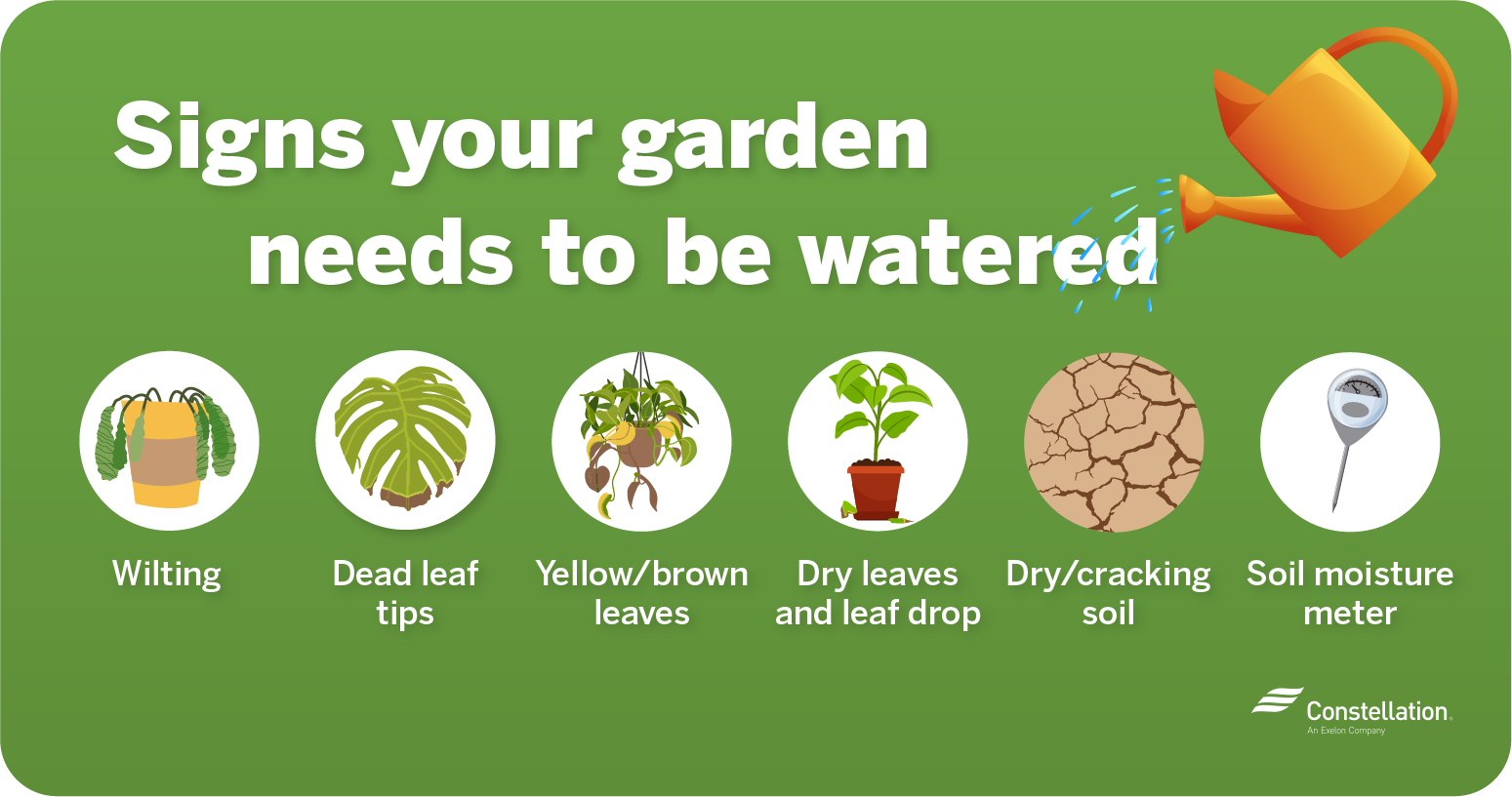
Your plants are constantly communicating, you just have to learn their language. A truly thirsty plant will often look droopy and sad, its leaves hanging low as if performing a dramatic opera. However, don't be fooled! An overwatered plant can also look droopy and sad, but its leaves might be yellowing and the soil often feels boggy. This is the ultimate plant betrayal – looking the same, but for completely opposite reasons!
The key? Always check the soil. If it's dry and droopy, water it! If it's wet and droopy, stop watering and let it dry out, quick! It’s like a choose-your-own-adventure novel, but with higher stakes (plant life!).
Your Watering Secret Weapon: Mulch!
Want to reduce how often you water by a significant margin? Get yourself some mulch! A 2-4 inch layer of organic mulch (like wood chips, straw, or compost) acts like a blanket for your soil. It keeps it cooler, suppresses weeds, and most importantly, dramatically reduces water evaporation. It's like putting a lid on a pot – all that precious moisture stays put.
Don't Overthink It (Too Much)
At the end of the day, watering your garden isn't about perfectly measured quantities or scientific timing. It's about paying attention, learning from your plants, and getting your hands a little dirty. You'll make mistakes, plants will occasionally kick the bucket (we've all been there!), but with a little observation and a lot of common sense, you'll soon become a watering wizard. Or at least, someone whose plants don't look constantly on the verge of a full-blown existential crisis.