How Often Should Your Air Conditioner Cycle On And Off

Ever find yourself glued to the thermostat, playing a mental game of "Is it on? Is it off?" with your air conditioner? You're not alone. Understanding the ideal AC cycle is a delicate dance between staying cool and keeping your energy bills from skyrocketing. Think of it as the Goldilocks zone of home comfort – not too much, not too little, but just right.
So, how often should your AC be cycling on and off? Let's dive in, shall we?
The Ideal Cycle: A Balancing Act
Generally speaking, an air conditioner should run for at least 15 to 20 minutes to complete a full cycle. Ideally, it should cycle two to three times per hour. This allows the system to efficiently cool the air, dehumidify the space, and prevent that annoying on-again, off-again feeling that leaves you wondering if you're living in a haunted house.
Must Read
But like a perfectly mixed cocktail, the ideal cycle depends on a few key ingredients:
- Outside Temperature: On a sweltering summer day, expect your AC to run more frequently and for longer stretches. Think of it like a marathon runner – it needs to keep going to reach the finish line (a comfortably cool home).
- Insulation: A well-insulated home is like wearing a cozy sweater in winter – it keeps the heat in and the cold out. Better insulation means your AC doesn't have to work as hard, leading to less frequent cycling.
- AC Unit Size: An oversized AC unit might seem like a good idea ("Bigger is better!", right?), but it can actually lead to short cycling – turning on and off too quickly. It's like trying to sprint a marathon; you'll burn out fast. Conversely, an undersized unit will run constantly, struggling to keep up with the heat.
- Thermostat Settings: Setting your thermostat to a drastically lower temperature won't cool your home faster; it'll just make your AC work harder and run longer. It's like flooring the gas pedal in your car – you might get there a little faster, but you'll also burn more fuel.
Signs of Trouble: Short Cycling and Long Runs
Now, let's talk about what happens when things go awry. Two common issues are short cycling and excessively long run times.
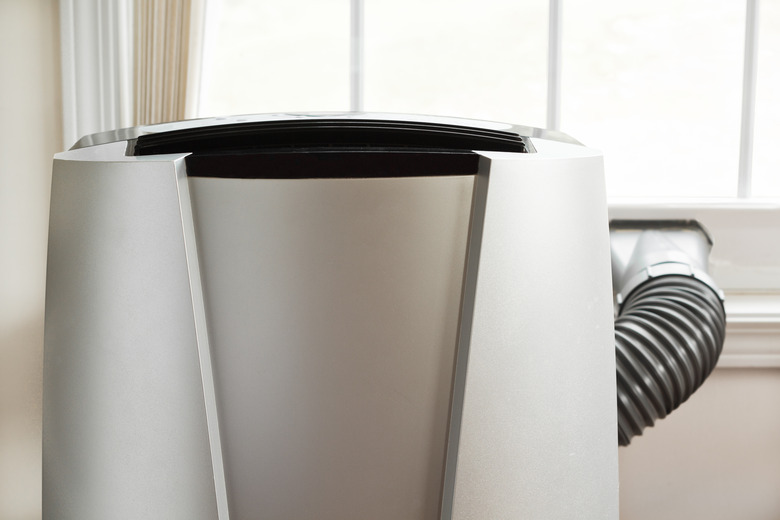
Short cycling is when your AC turns on and off frequently, often for just a few minutes at a time. This is like a restless sleeper, constantly tossing and turning. It's inefficient, wastes energy, and can put unnecessary wear and tear on your system.
Possible causes of short cycling:
- Oversized AC unit.
- Dirty air filter.
- Refrigerant leaks.
- Frozen evaporator coil.
On the other hand, if your AC runs constantly without ever turning off, it's like a hamster on a wheel – exhausting itself without making progress. While it might seem like it's doing its job, it could be a sign of underlying problems.
Possible causes of long run times:
- Undersized AC unit.
- Poor insulation.
- Dirty air filter.
- Refrigerant leaks.
Practical Tips for Optimal AC Performance
Okay, so you know the ideal cycle and the potential problems. Now, let's get practical. Here are a few tips to keep your AC running smoothly:

- Regular Maintenance: Change your air filter every one to three months. It's like giving your AC a breath of fresh air.
- Schedule Professional Checkups: An annual checkup from a qualified HVAC technician can catch potential problems before they become major headaches. Think of it as preventative healthcare for your AC.
- Seal Air Leaks: Caulk around windows and doors to prevent drafts. This is like patching up holes in your sweater – it helps keep the warmth in (or the cool air in, in this case).
- Use a Programmable Thermostat: Set it to adjust the temperature automatically when you're away or asleep. It's like setting a timer for your coffee maker – convenience and efficiency all in one.
- Consider Smart Home Integration: Smart thermostats and sensors can optimize your AC's performance based on your preferences and even predict future energy consumption.
Fun fact: Did you know that the ideal indoor temperature for sleep is between 60 and 67 degrees Fahrenheit? Sweet dreams!
Reflections on the Rhythm of Cool
Ultimately, understanding your AC's cycling patterns is about more than just saving money on energy bills. It's about creating a comfortable and healthy living environment. It's about listening to your home, paying attention to its needs, and responding accordingly. Just like tending to a garden, nurturing your home's climate control system requires a little care and attention.
So, the next time you find yourself pondering the rhythm of your AC, remember that the goal is balance. Find that sweet spot, and you'll be well on your way to enjoying a cool, comfortable, and energy-efficient home. It's a small thing, but it makes a big difference in the daily symphony of your life.