How Often Should You Replace A Carbon Monoxide Detector

Ever stop to think about those little gadgets humming quietly in the background of your home, keeping you safe without much fanfare? You know, like your smoke detector, but perhaps even more unsung? I'm talking about the humble carbon monoxide (CO) detector. It’s like the quiet superhero of your household, always on watch, protecting you from an invisible, odorless villain. But here’s a fun, curious thought: how often do these silent guardians need a refresh? Do they last forever, like a trusty old armchair, or do they have a secret expiration date, like that yogurt in the back of your fridge?
Let’s dive into this a bit, because it’s surprisingly interesting, and honestly, super important. You see, carbon monoxide isn't something to mess around with. It’s often called the "silent killer" for a reason – you can't see it, smell it, or taste it. It creeps into your home from things like faulty furnaces, gas stoves, fireplaces, or even cars idling in an attached garage. And once it's in, it can make you really sick, sometimes even leading to tragic consequences, all while you might just think you're having a bad headache or feeling a bit woozy. Pretty scary stuff, right?
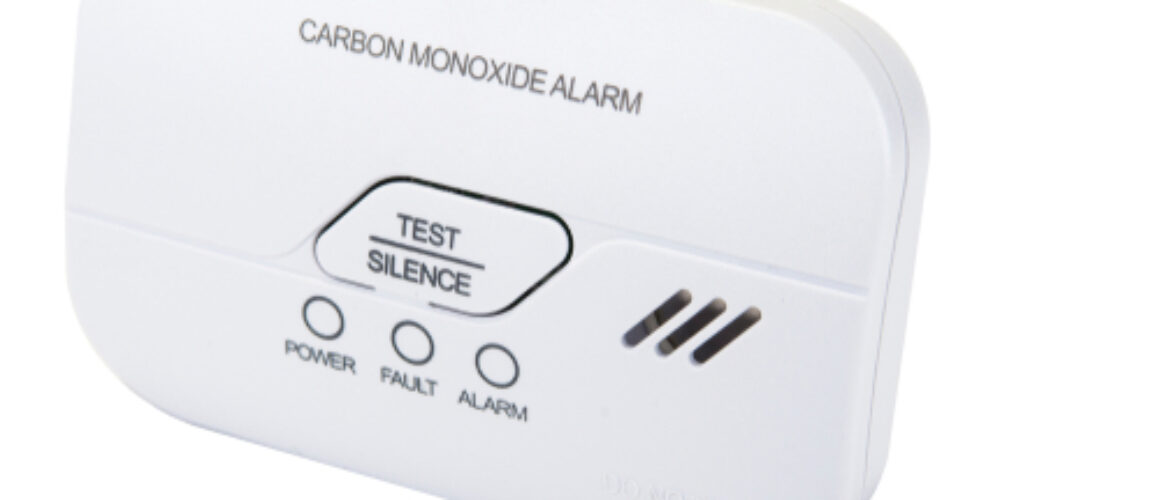
That’s where our little CO detector comes in. It’s got a special sensor inside that's constantly sniffing the air, looking for even tiny traces of CO. Think of it like a highly trained detective, always on alert. When it spots trouble, it lets out a loud, piercing alarm, giving you precious time to get yourself and your loved ones to safety. It's truly a life-saving piece of tech.
Must Read
So, What’s the Lifespan of These Tiny Detectives?
Here’s the big reveal: unlike a really good friendship, carbon monoxide detectors don't last forever. Most manufacturers, and safety experts, recommend replacing them every five to seven years. Some might stretch to ten years, but that's often the absolute maximum. And here’s a cool little tip: your detector actually has an expiration date printed right on the back! It’s usually a "replace by" date, making it super easy to check. If you haven't looked at yours in a while, it might be time for a quick peek!
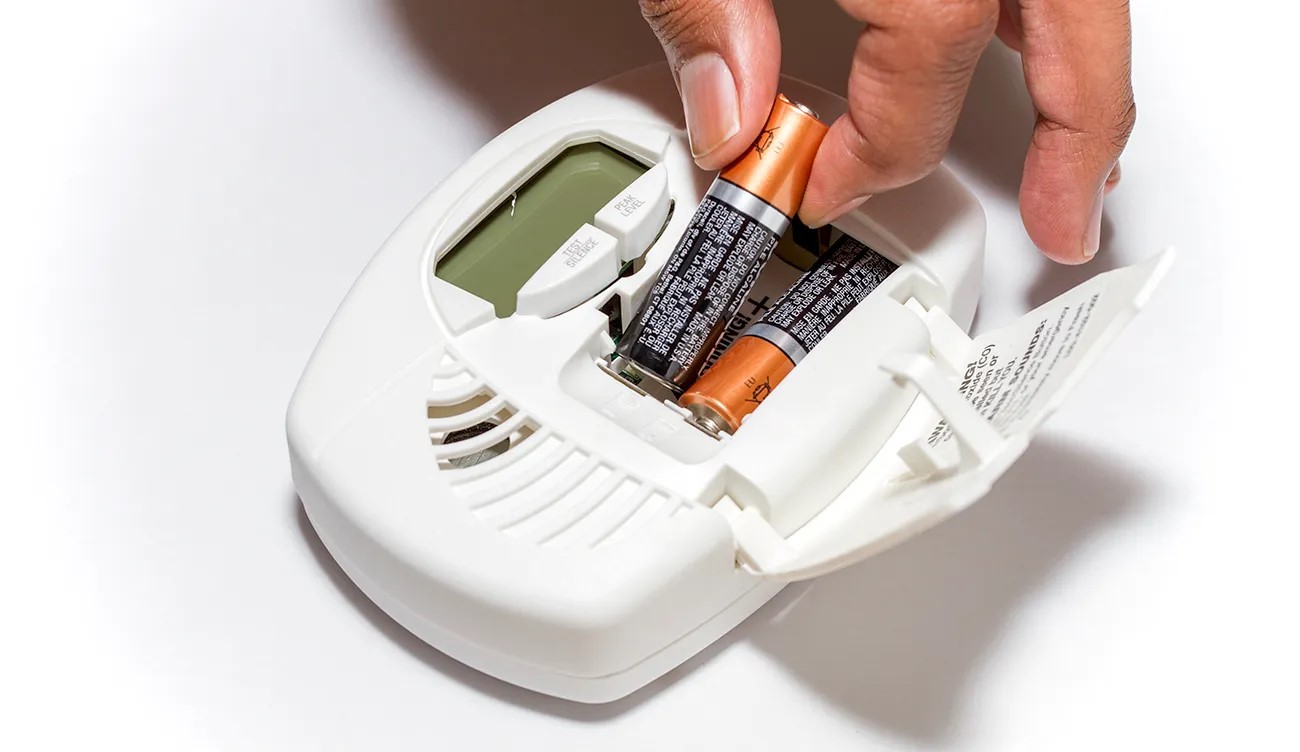
"Wait, why don't they last longer?" you might wonder. Great question! It's all about that clever sensor inside. Most CO detectors use an electrochemical sensor. This sensor contains a chemical solution that reacts with carbon monoxide. Over time, this chemical solution can dry out or simply become less sensitive. It’s a bit like a battery slowly losing its charge, or a sponge eventually losing its ability to absorb water as effectively. It just gets tired!
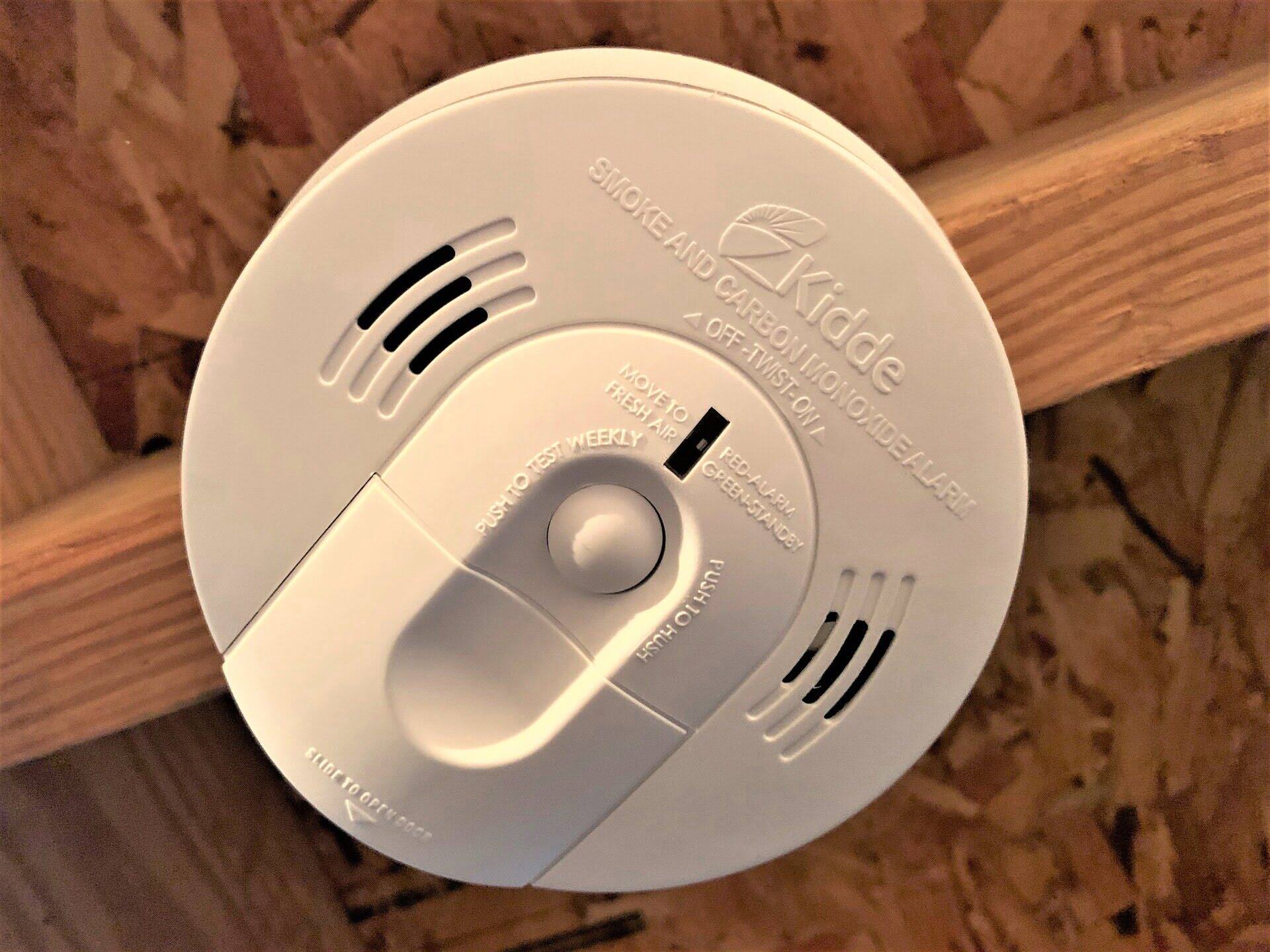
Imagine if your favorite superhero started to lose their powers gradually – they might not be as quick, strong, or accurate as they once were. That's essentially what happens to your CO detector's sensor. It can become less reliable, potentially failing to detect dangerous CO levels, or even giving false alarms. An expired detector can give you a false sense of security, which is almost as risky as not having one at all. We definitely don't want a "superhero" who's lost their super sniff!
Factors That Can Affect the Lifespan (and Why It's Not Always Precise)
While five to seven years is the general guideline, a few things can influence how well your detector ages. Exposure to extreme temperatures, high humidity, dust, or even certain chemicals (like cleaning sprays or paint fumes) can degrade the sensor faster. So, if your detector is in a particularly dusty workshop or a very humid basement, it might not hit that seven-year mark with peak performance.
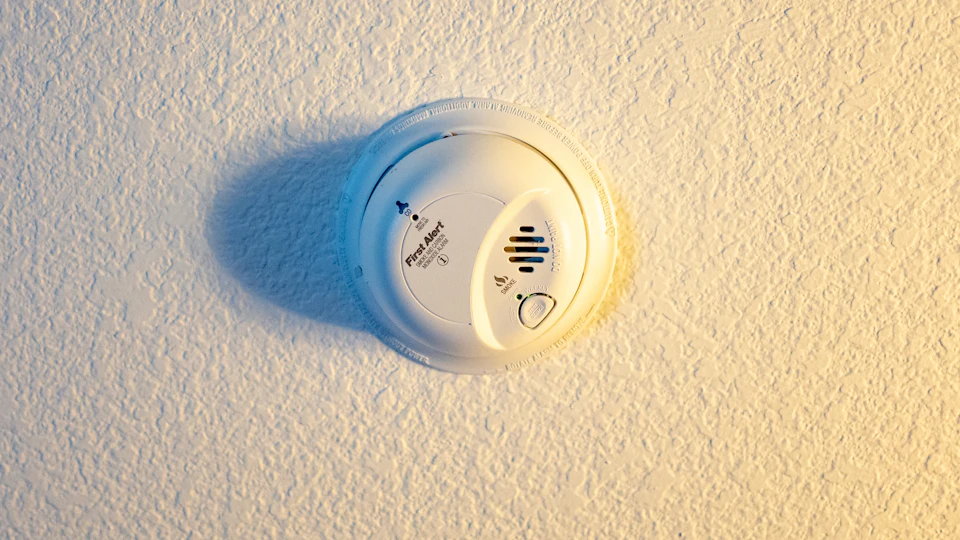
It’s also worth noting that if you have a combo unit – a detector that sniffs for both smoke and CO – the CO sensor usually has a shorter lifespan than the smoke sensor part. So, even if the smoke part is still technically "good," if the CO sensor's expiration date is up, it's time for a full replacement. Think of it like a two-in-one product where one component has a faster spoilage date!
Making Replacement Easy-Peasy!
Okay, so now you know your CO detector has a best-before date. How do you keep track without turning into a home safety obsessive? Here are a couple of chill tips:
- Check the Date: Seriously, go check the back of your detectors right now! If it's expired, or getting close, pop it on your shopping list.
- Mark Your Calendar: When you install a new one, jot down the "replace by" date on a calendar or set a reminder on your phone for five to seven years out. Easy peasy!
- Sync Up: A lot of people replace their smoke detectors every ten years. If your CO detector has a shorter lifespan, you might consider replacing them both at the same time when the CO detector expires, just to keep things simple.
So there you have it! Your humble carbon monoxide detector isn't a set-it-and-forget-it gadget forever. It’s an active, working part of your home safety system that needs a little refresh every now and then. Giving it a fresh start ensures it can keep doing its silent, powerful work, keeping you and your loved ones safe from an invisible threat. It's a small task for a whole lot of peace of mind. Go on, give your CO detector a little love and a quick check – you'll be glad you did!