
How Often Should You Have A Septic Tank Pumped
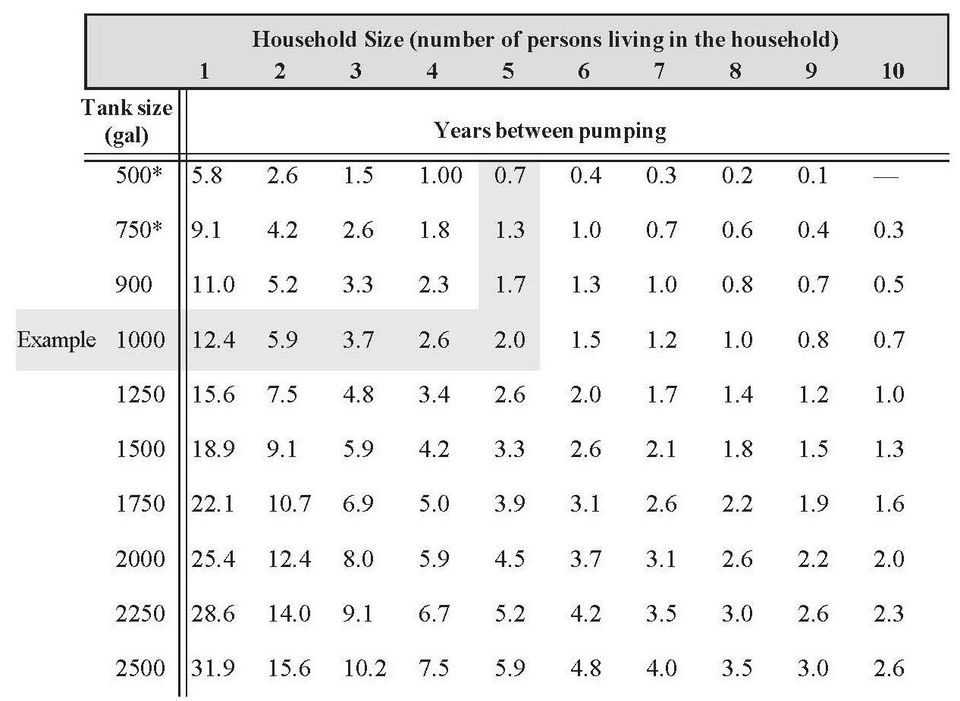
Ah, the septic tank. It’s the quiet, often forgotten superhero hiding beneath our lawns, diligently working away so we can enjoy our modern conveniences. We might not send it holiday cards, but it definitely deserves our thoughtful attention. But here's the million-dollar question that probably keeps very few people up at night: "How often should you have a septic tank pumped?"
It sounds like a straightforward query, doesn't it? Yet, for many of us living the rural or suburban dream, it feels like one of life's great mysteries, right up there with "where do all those missing socks go?"
No need for a detective's trench coat here! Let's unravel this mystery with a dash of fun and a sprinkle of common sense. Forget the complicated charts and technical jargon; we’re talking about the gentle rhythm of your home’s hidden heart.
Must Read
The Septic Tank's Secret Timetable
Imagine your septic tank as a diligent, underground librarian. It accepts all sorts of "books" (the stuff that goes down your drains) and neatly sorts them. Some liquids flow out, but solids collect, slowly filling its shelves.
The general wisdom, the cozy sweet spot for most households, suggests a check-up and pump every three to five years. This isn't a rigid law carved in stone, but more like a friendly suggestion from your septic system itself.
Think of it like changing the oil in your car. You wouldn't wait until the engine seizes, would you? The same goes for your septic system – proactive care is key to its long, happy life.
When Life Gets a Little Fuller: The Family Factor
Now, that three-to-five-year guideline is for the "average" family. But what does "average" even mean these days? Your household's unique rhythm plays a huge role in how often your underground friend needs a visit from the pump truck.
-851x315.jpg)
If your home is a bustling hub of activity—think multiple kids, teenagers with endless showers, and frequent guests—your septic tank is working overtime. More people means more water, more laundry, and frankly, more of everything else flowing into the system.
A quiet couple, perhaps empty nesters, might find their tank content to wait a bit longer between pumpings. It’s all about the volume of "traffic" it handles daily. Consider your septic tank like a popular coffee shop; more customers mean more frequent emptying of the trash!
"Our septic system is like an extra member of the family; it just needs a little more... space, sometimes."
The Tank's True Personality: Size Matters!
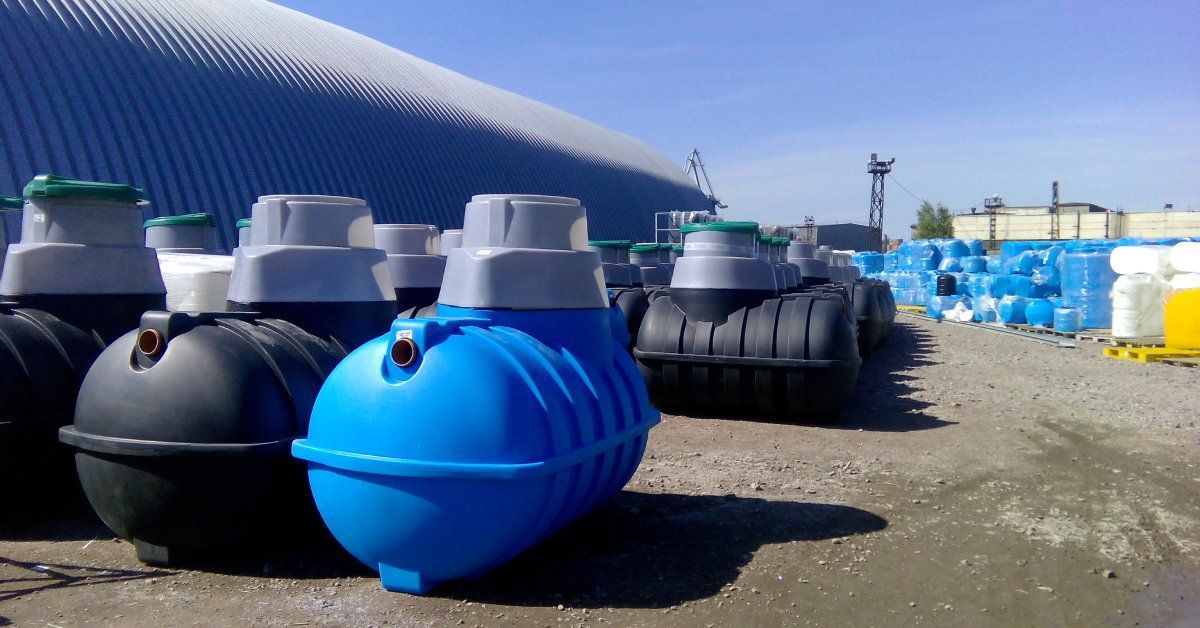
Just like people, septic tanks come in various sizes. A larger tank has more capacity to hold those solids, naturally extending the time between pumpings. A smaller tank, however, fills up faster and will need more frequent attention.
If you're unsure about your tank's capacity, don't fret! A quick chat with a local septic professional can often shed light on this detail, or they can even help you locate and assess your existing system.
Knowing your tank's size is like knowing your shoe size; it helps you pick the right fit for its maintenance schedule. It's a small detail that makes a big difference in avoiding unforeseen "oops" moments.

The Unsung Hero (or Villain?): The Garbage Disposal
Ah, the humble garbage disposal—a modern marvel that makes kitchen cleanup a breeze. But here's where things get a little interesting for your septic system. That handy device grinds up food scraps into tiny particles.
While these particles might seem harmless, they add a significant amount of extra solids to your septic tank. These aren't just liquids; they are organic matter that needs to break down and settle.
If you're a frequent user of your garbage disposal, your septic tank will definitely need more regular pumping. Think of it as adding extra ingredients to a soup; it'll thicken faster! Many septic experts even suggest minimizing disposal use altogether.
Water, Water Everywhere: Your Habits Count
Our daily water usage habits also play a silent, yet significant, role. Long, luxurious showers, multiple daily laundry loads, and constant dishwashing machines running can add up to a tremendous amount of wastewater entering your septic system.
While the liquids usually flow out into the drain field, excessive water can stir up the settled solids in the tank and potentially overwhelm the system. Being mindful of your water consumption isn't just good for the planet; it's great for your septic tank!
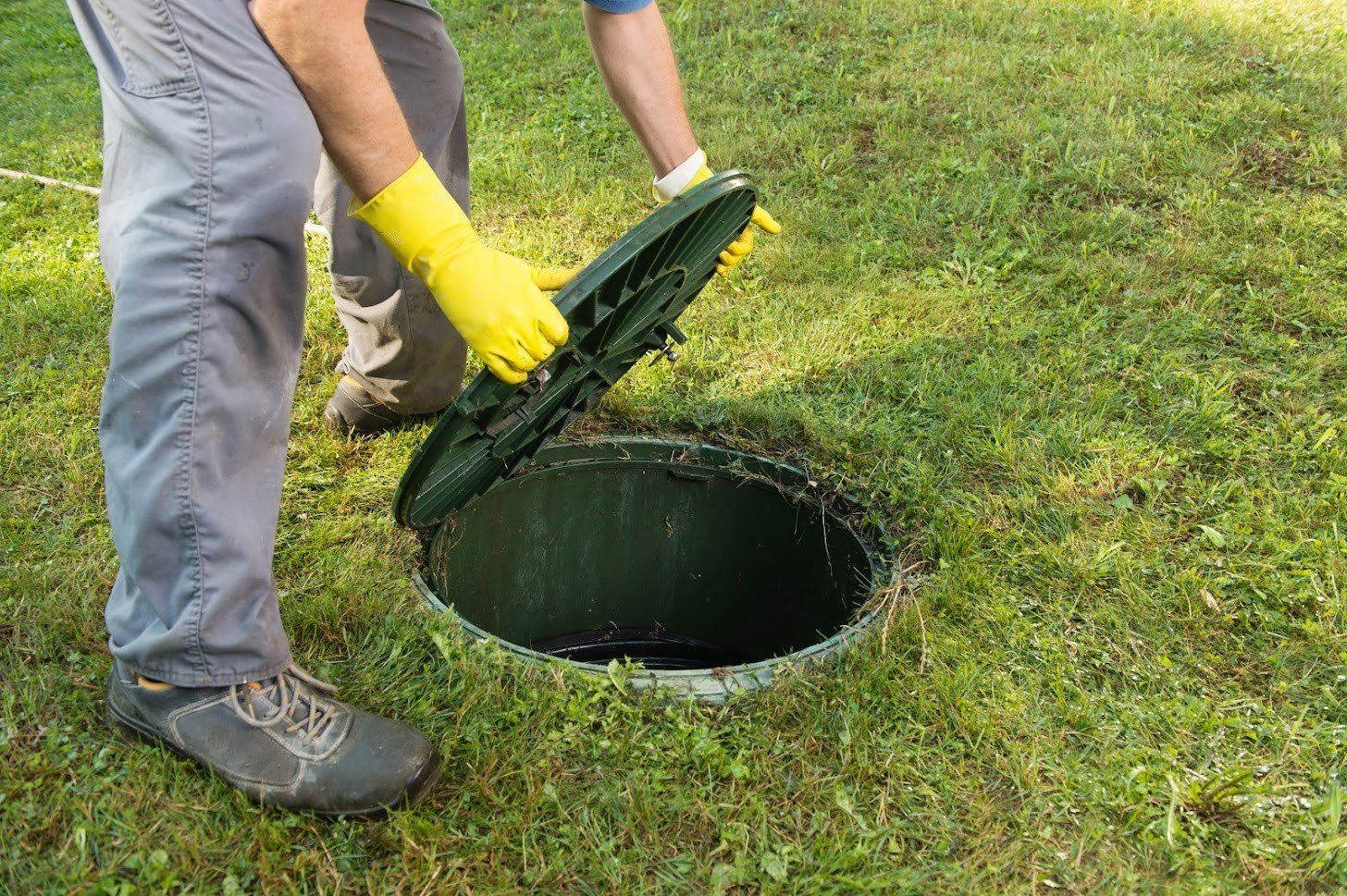
Consider upgrading to high-efficiency appliances or simply trying to space out your high-water activities. Your septic tank will send a silent thank you for the lighter workload.
The Unexpected Joy of Septic Maintenance
Okay, "joy" might be a strong word for having your septic tank pumped. But hear us out! There's a surprising peace of mind that comes with knowing you're taking care of your home's vital, hidden systems. It's like finding a twenty-dollar bill in an old coat pocket.
Imagine avoiding that dreaded scenario: a gurgling toilet, a slow drain, or—heaven forbid—a backyard surprise that no one wants to see (or smell!). Regular pumping means you sidestep these stressful, potentially costly emergencies.
There's a quiet satisfaction in being a responsible homeowner, isn't there? It’s about being proactive, not reactive, and letting your septic system know you appreciate its hard work. It's truly a heartwarming way to care for your cherished home.
Think of the local septic professional not as a harbinger of smelly doom, but as a friendly guardian. They’re the experts who can inspect your system, offer personalized advice, and ensure everything is flowing smoothly. They've seen it all, so there's no need for embarrassment.
"A little preventive care goes a long way in ensuring your home remains a sanctuary, not a swamp!"
The Septic Tank's Love Language: Consistency
So, back to our big question: "How often should you have a septic tank pumped?" The simplest answer is: consistently. Don't wait until there's a problem, a strange smell, or that tell-tale gurgle from the pipes.
Establish a pumping schedule based on your household's size, tank capacity, and habits. For most, that will be every three to five years. If you're heavy on the garbage disposal or have a bustling home, aim for the shorter end of that spectrum, or even every two to three years.
Mark it on your calendar, set a recurring reminder on your phone, or chat with your septic company about setting up a regular service. This small act of routine maintenance is one of the biggest ways you can protect your entire septic system and prolong its life.
Your septic tank might be out of sight, out of mind, but it’s working hard for you every single day. Give it the love and attention it deserves, and it will faithfully serve your home for many years to come, keeping everything running smoothly, cleanly, and odor-free.
It’s not just about pipes and pumps; it’s about nurturing your home, embracing responsibility, and finding a little unexpected joy in the maintenance of your underground guardian. Who knew septic tanks could be so inspiring?