How Often Should You Empty Your Septic Tank

Okay, let's talk about something that's probably not the typical dinner table conversation starter, but it's absolutely crucial for every homeowner with a septic system: how often should you empty that big, underground tank? While it might not sound like the most thrilling topic, understanding your septic system is like holding the secret to a happy, healthy home and, let's be honest, avoiding some truly disgusting and expensive disasters. Think of it as your home's unsung hero, quietly processing all your household wastewater. Learning its rhythm will not only save you stress and money but also make you feel like a truly empowered homeowner!
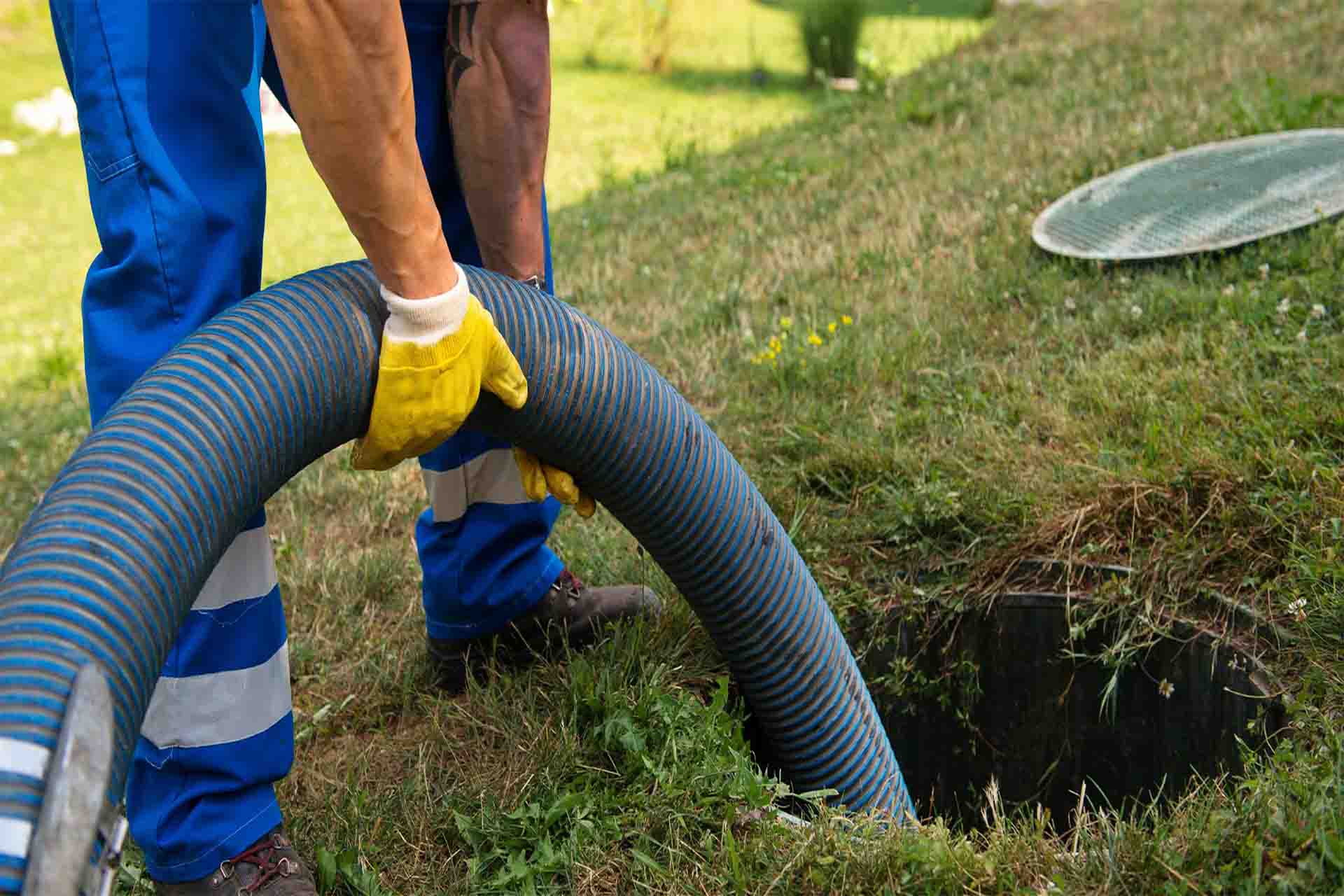
So, what exactly is your septic tank doing down there, and why does it even need emptying? Simply put, your septic tank is a mini-wastewater treatment plant. All the water you flush, drain, and wash away goes into this tank. Here, solids sink to the bottom, forming a layer called sludge, while lighter materials like oils and grease float to the top, creating a scum layer. In the middle is the liquid wastewater, which then flows out into your drain field for further treatment. The purpose of emptying, or "pumping," your septic tank is to remove these accumulated sludge and scum layers before they build up too much. If they get too thick, they can block the outlet pipe, flow into your drain field, and cause everything from slow drains and foul odors to — you guessed it — a catastrophic sewage backup in your home. Yuck! The benefits of regular pumping are crystal clear: a long-lasting system, prevention of costly repairs, protection of your property, and, most importantly, peace of mind.
Now for the big reveal: how often should you empty your septic tank? The general rule of thumb for most households is every three to five years. However, this isn't a one-size-fits-all answer, and several factors can significantly influence this timeline. For instance, the number of people in your household plays a huge role; a single person will naturally fill a tank slower than a family of five. The size of your septic tank also matters – a larger tank can hold more before needing attention. Do you have a garbage disposal? If so, you're introducing more solids into your system, which means you might need to pump more frequently, perhaps every one to three years. Your overall water usage habits and the age of your system are also contributing factors.
Must Read
The best way to know for sure is to have a professional septic service inspect your tank annually or every couple of years. They can measure the sludge and scum layers and give you an accurate recommendation based on your specific situation. Don't wait for signs of trouble like gurgling pipes or soggy spots in your yard; by then, you might already have a problem on your hands. Investing in regular, preventative maintenance is far less expensive and stressful than dealing with an emergency repair. So, go ahead, mark your calendar, and give your septic system the attention it deserves. Your nose, your wallet, and your future self will thank you!