How Often Should You Drain Your Portable Ac
Okay, so picture this: it's July, hotter than a jalapeno in a sauna, and I'm finally home after a grueling day. I practically dive for my portable AC, flick the switch, and… nothing. Just a sad, whirring sound. Turns out, the poor thing was so full of water it was staging its own indoor swamp tour. I felt like an idiot. Learn from my mistakes, people!
Which brings us to the burning question: how often do you really need to drain your portable AC? It’s not exactly the sexiest topic, I know. But ignoring it? Trust me, that's a recipe for a humid, underperforming, and potentially moldy disaster. And nobody wants that. (Seriously, nobody.)
The Big Picture: Why Drain at All?
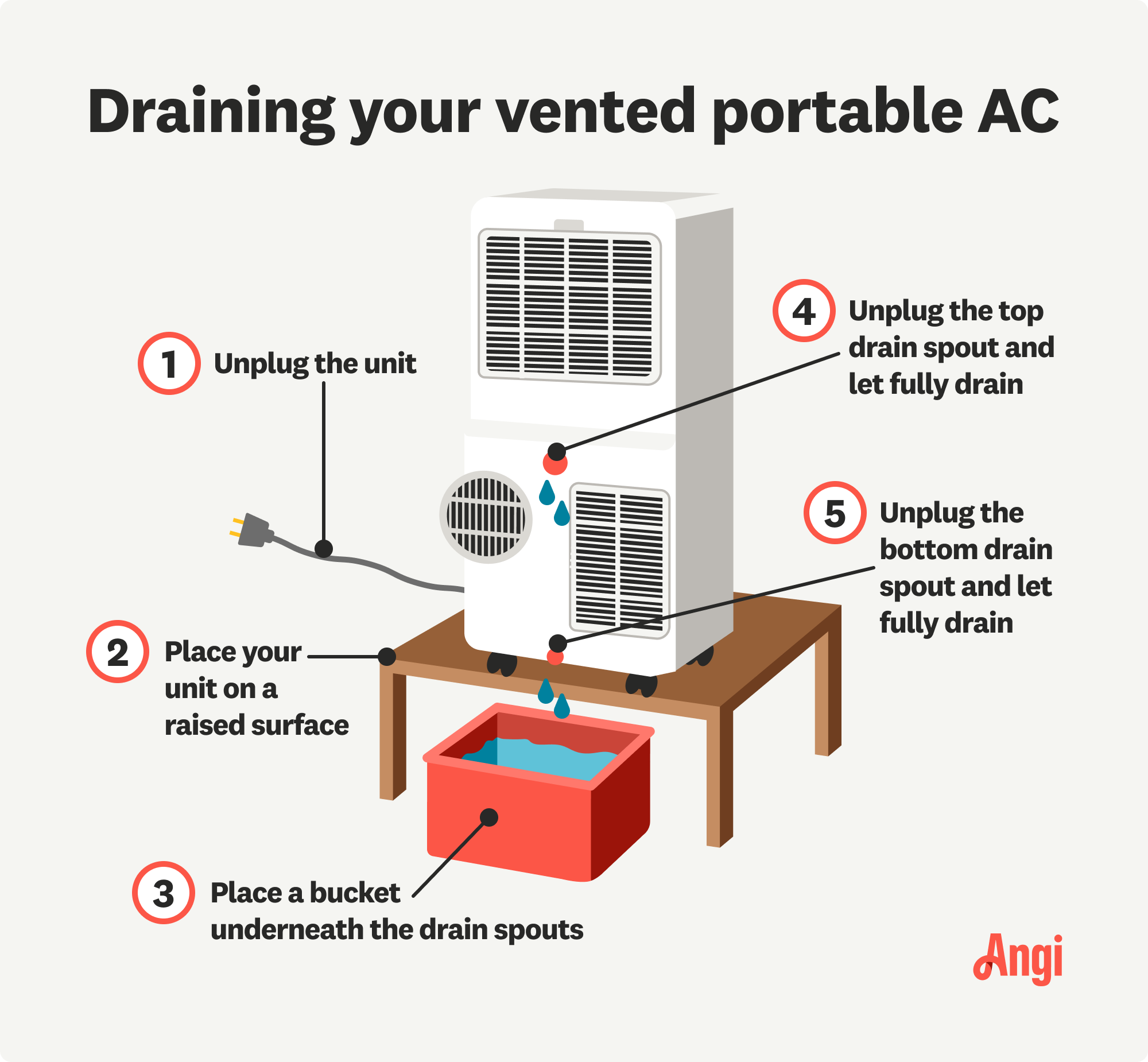
Portable ACs, in their quest to cool you down, suck moisture out of the air. This moisture, my friends, collects as condensation. Some units are "self-evaporating," which sounds all sci-fi and amazing, right? But even those units sometimes need a little help. And if you don’t have one of those fancy self-evaporating models… well, you’re going to be draining. It's just a fact of life. Like taxes, but sweatier.
Must Read
Why can't the water just stay there? Two big reasons: performance and longevity. A full tank means your AC has to work harder, which means less cool air for you, and a shorter lifespan for the unit itself. Plus, stagnant water is a breeding ground for nasty things like mold and bacteria. Eww.
The Dreaded Frequency: How Often Is Often Enough?
Alright, let's get down to brass tacks. There’s no one-size-fits-all answer. The ideal draining frequency depends on a few key factors:
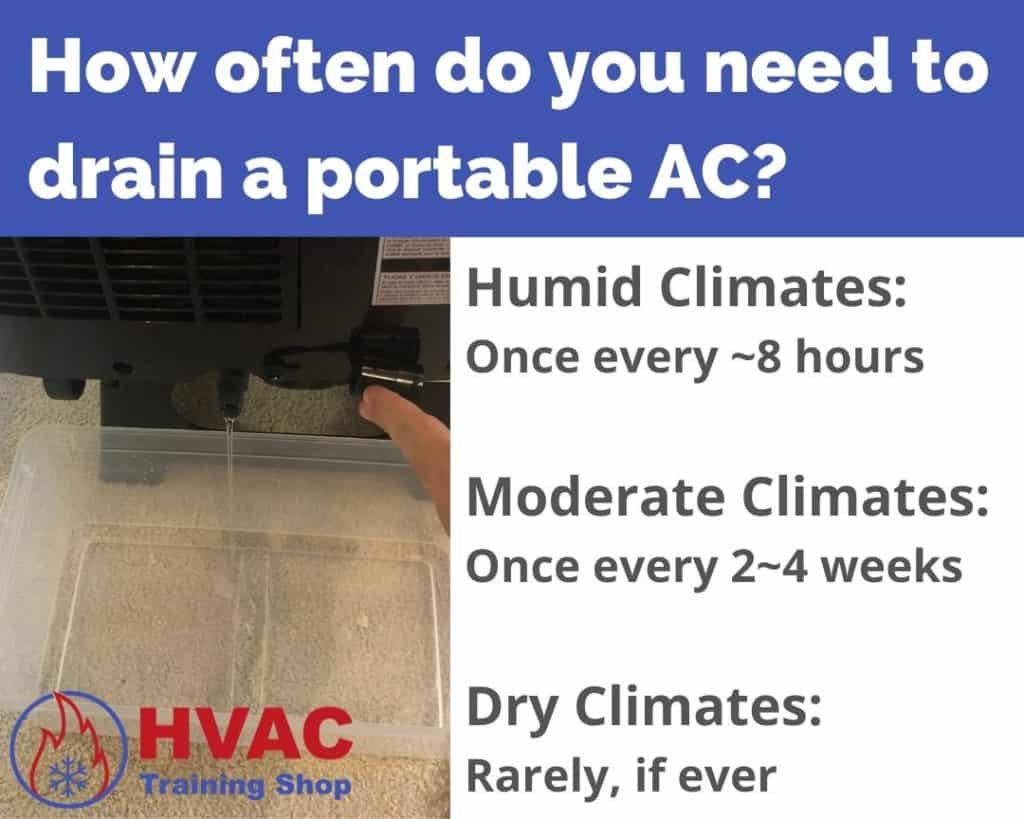
- Humidity Levels: If you live in a swamp (metaphorically or literally, no judgment!), you'll be draining more often. Think Florida in July versus Arizona in December.
- Usage: Are you running your AC 24/7, or just for a few hours a day? The more you use it, the more water it’ll collect. Obvious, I know, but worth stating!
- Unit Type: As mentioned, “self-evaporating” models can sometimes get away with less frequent draining. But always check the manufacturer's instructions. They know their baby best.
- Tank Size: A bigger tank means you can go longer between drains. But don’t push it too far!
So, with all that said, what's a good rule of thumb? Start by checking the tank daily. Yeah, daily. I know, it sounds like a chore, but trust me, it's way easier than dealing with a flooded floor. After a few days, you'll get a feel for how quickly your unit fills up and can adjust your schedule accordingly.
Pro Tip: Keep a small bucket handy. You'll thank me later. And maybe wear gloves. Just sayin'.

Signs Your Portable AC Needs a Drink (of its own water, that is)
Beyond the obvious “full tank” light (if your unit has one), here are a few other telltale signs that your AC is thirsty:
- Reduced Cooling Performance: Is your AC struggling to keep up, even on low? The water tank might be the culprit.
- Unusual Noises: Gurgling, sloshing, or other strange sounds could indicate a full tank.
- Musty Odor: That's mold and mildew trying to say hello. (Or, you know, take over your life.)
If you notice any of these signs, drain that baby immediately!
Self-Evaporating Models: Not a Free Pass
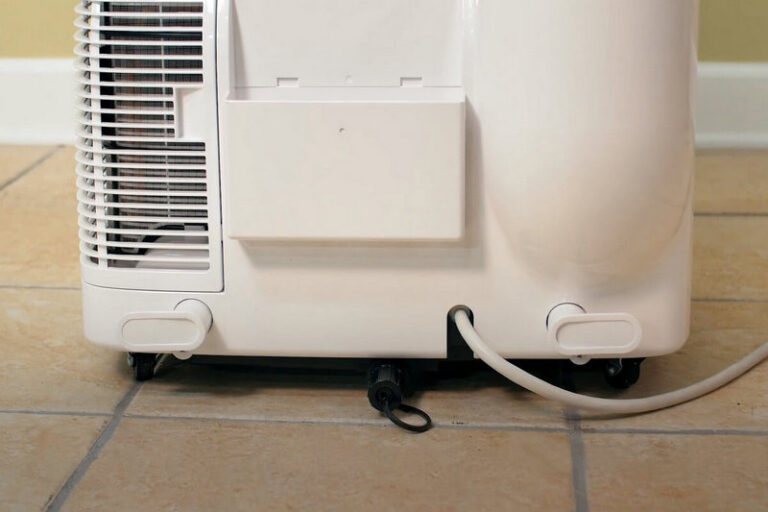
Don't get me wrong, self-evaporating units are great. They reduce the need for constant draining. But they're not magic. In high humidity, they can still fill up the tank. So, even if you have a self-evaporating model, check the water level periodically. Consider it a friendly check-in with your cooling buddy.
The Bottom Line (and a final plea)
Draining your portable AC isn't glamorous, but it's essential for keeping your unit running efficiently and preventing mold growth. Check the tank regularly, pay attention to the signs, and adjust your draining schedule based on your specific circumstances.
And please, for the love of all that is cool and comfortable, don't wait until your AC stages its own indoor swamp tour like I did. You'll thank me later. (And so will your AC.)