How Often Should You Change Air Filter In House
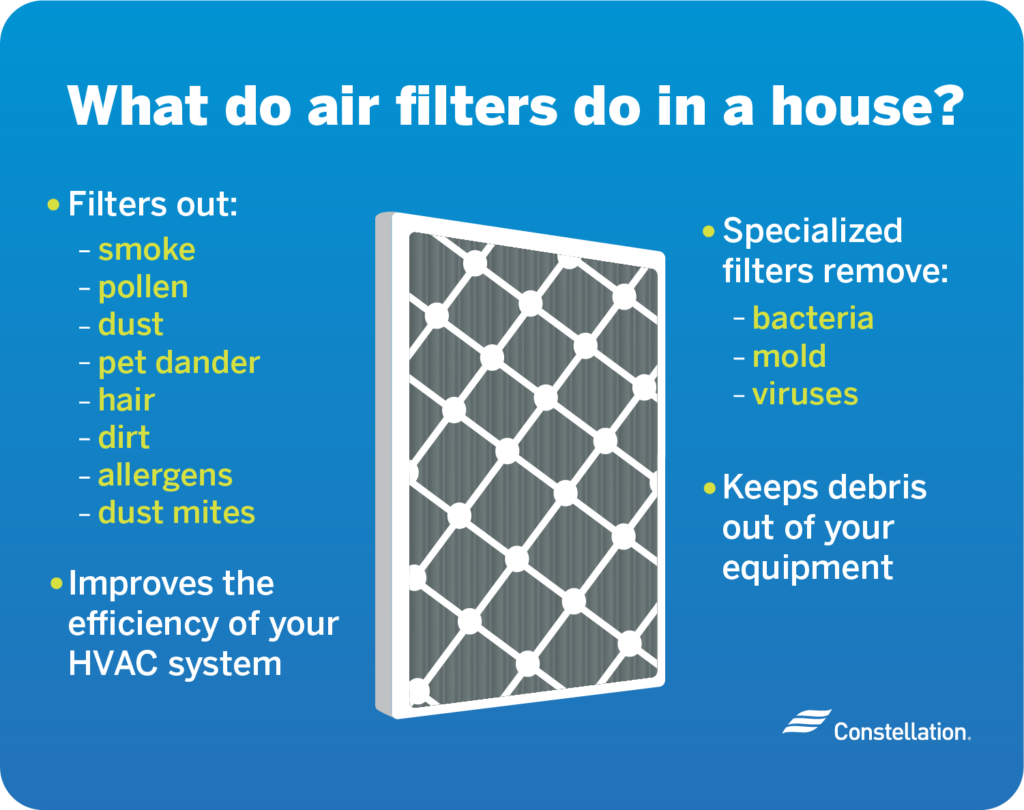
Let's talk air, darling. Not the kind you dramatically gasp for in a rom-com (although, who hasn't been there?), but the kind that’s constantly circulating through your home. The unsung hero of that circulation? Your air filter. It's the bouncer at the VIP club of your HVAC system, keeping dust bunnies, pollen, and other party crashers from wreaking havoc. But like any good bouncer, it needs a break...or in this case, a change.
The Golden Question: How Often?
So, how often should you be swapping out that filter? The short answer: It depends. Think of it like asking how often you should water your plants. It's not a one-size-fits-all situation. But fear not, we’re here to decode the air filter enigma.
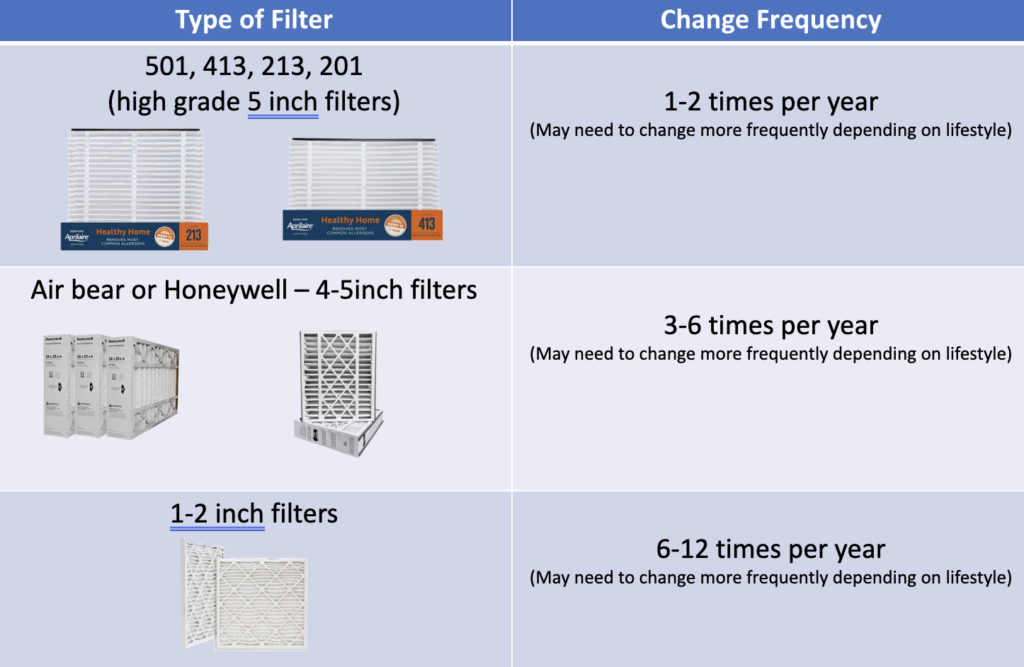
The generally accepted guideline is every 90 days for a standard one-inch filter. Mark it on your calendar! Set a reminder on your phone! Heck, tattoo it on your arm (okay, maybe not). However, this is just a starting point. Several factors can influence this timeframe.
Must Read
Factors That Influence Filter Fatigue
Consider these lifestyle elements that might require more frequent changes:
- Pet Paradise (or Problem): Furry friends are family, but they shed. A lot. If you’re living in a veritable Lion King scene of swirling pet hair, consider changing your filter every 60 days, or even monthly.
- Allergy Alert: If you or a family member suffer from allergies or asthma, a fresher filter is your best friend. Pollen, dust mites, and other allergens can build up quickly, triggering those uncomfortable symptoms. Aim for every 30-60 days.
- Construction Chaos: Renovating your home? Dust and debris are the unwelcome guests who refuse to leave. During and after construction, change your filter monthly, or even more frequently, to keep your air clean.
- Smoker's Sanctuary: If you or someone in your household smokes indoors, the filter will be working overtime to trap smoke particles. Monthly changes are recommended.
- The Thickness Factor: Thicker, pleated filters (those MERV 8 or higher gems) generally have a longer lifespan than the basic, fiberglass ones. Some can last up to six months, but always check the manufacturer’s recommendations.
The Visual Cue: Is Your Filter Looking Sad?
Don't just rely on the calendar. Give your filter a visual once-over. Is it visibly clogged with dust and debris? Does it look like it’s been through a mud wrestling match? If so, it's time for a change, regardless of how long it's been. Think of it like your favorite white t-shirt after a messy spaghetti dinner – you wouldn't keep wearing it, would you?

Practical Tips for Filter Freshness
- Buy in Bulk: Stock up on filters to save money and ensure you always have a fresh one on hand. Consider subscribing to a filter delivery service – it’s the adult equivalent of a milkman, but for air!
- Label and Date: When you install a new filter, write the date on it with a permanent marker. This helps you keep track of how long it's been in use.
- Regular HVAC Maintenance: Schedule regular maintenance checks for your HVAC system. A well-maintained system operates more efficiently and keeps your air cleaner.
The MERV Rating: Decoding the Mystery
Ever noticed those MERV (Minimum Efficiency Reporting Value) numbers on air filters? They indicate how effectively the filter captures particles. Higher MERV ratings mean better filtration, but also potentially reduced airflow. For most homes, a MERV rating between 8 and 11 is a good balance between filtration and airflow. Consult with an HVAC professional to determine the best MERV rating for your system.
Think of MERV ratings like SPF for your lungs. You want protection, but you also need to breathe!
Fun Fact: The air inside your home can be up to five times more polluted than the air outside! Mind. Blown.
In conclusion, keep your eye on the environment! Regular air filter changes help you breathe easier, reduce energy costs by making your HVAC system run more efficiently, and contribute to a healthier and more comfortable home environment.
So, go forth and conquer those dust bunnies! Your lungs (and your HVAC system) will thank you.