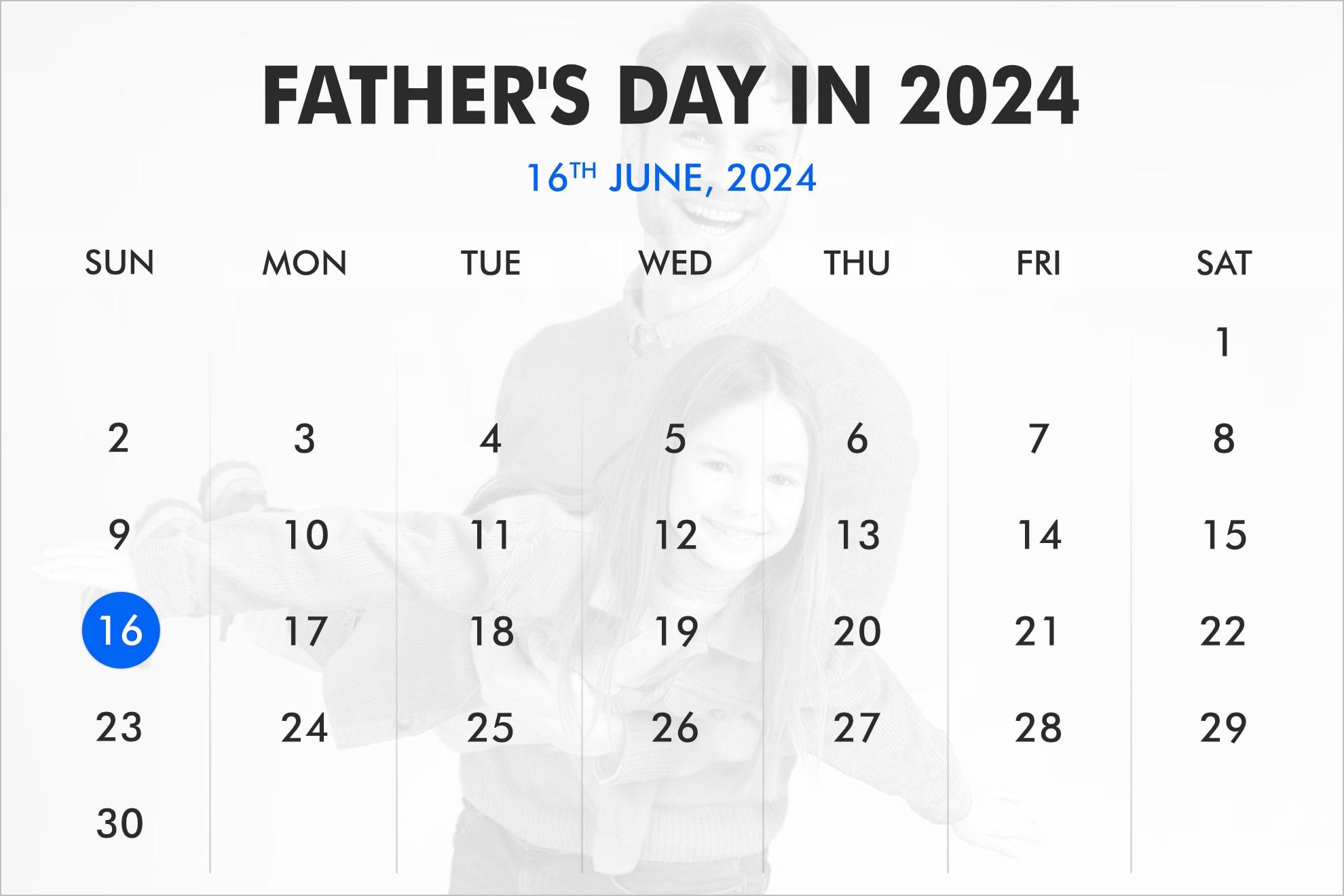
How Often Does June 15 Fall On Father's Day
Hey there, friends! Ever find yourself pondering the little quirks of the calendar? I do, all the time. And recently, my brain got stuck on something seemingly simple: How often does June 15th land on Father's Day? Sounds like a straightforward question, right? Well, buckle up, because the answer is a bit more interesting than you might think.
First things first: Father's Day in the United States is celebrated on the third Sunday of June. Always. No exceptions. So, the question becomes, how often does the 15th of June fall on a Sunday?
Now, before you start panicking about having to do some complex calculations involving leap years and astronomical rotations, let's break it down in a way that's easier than understanding your phone's privacy settings. Think of it like this: we're essentially playing a game of calendar roulette. And like any good game, there are rules!
Must Read
The key here is the seven-day cycle. Because there are seven days in a week, the date will shift forward one day of the week each year, unless there's a leap year throwing a wrench into the gears. In a leap year, the date jumps forward two days of the week. Makes sense, right?
So, what does this mean for our quest to find June 15th Father's Days? Well, imagine June 15th is a Monday one year. The next year, it'll likely be a Tuesday. And the year after that, a Wednesday. You get the idea.

But what about those pesky leap years? They're like that one friend who always shows up late to the party and throws everything off schedule. When a leap year happens (like in 2024!), June 15th will jump two days forward. For instance, if June 15th was a Thursday the year before a leap year, it will be a Saturday in the leap year.
This whole calendar dance is governed by what's called the 400-year Gregorian calendar cycle. Basically, the pattern of leap years repeats every 400 years. That’s a long time to wait for a specific date to fall on a Sunday! So, is there an easier way than tracking 400 years of calendars?
The cool part is, even without a time machine, we can figure out the probability. Since there are seven days in a week, and Father's Day has to be on a Sunday, you might think the probability is simply 1 in 7. Sounds reasonable, doesn't it? Like flipping a coin and hoping for heads. But remember those disruptive leap years? They muck things up slightly.
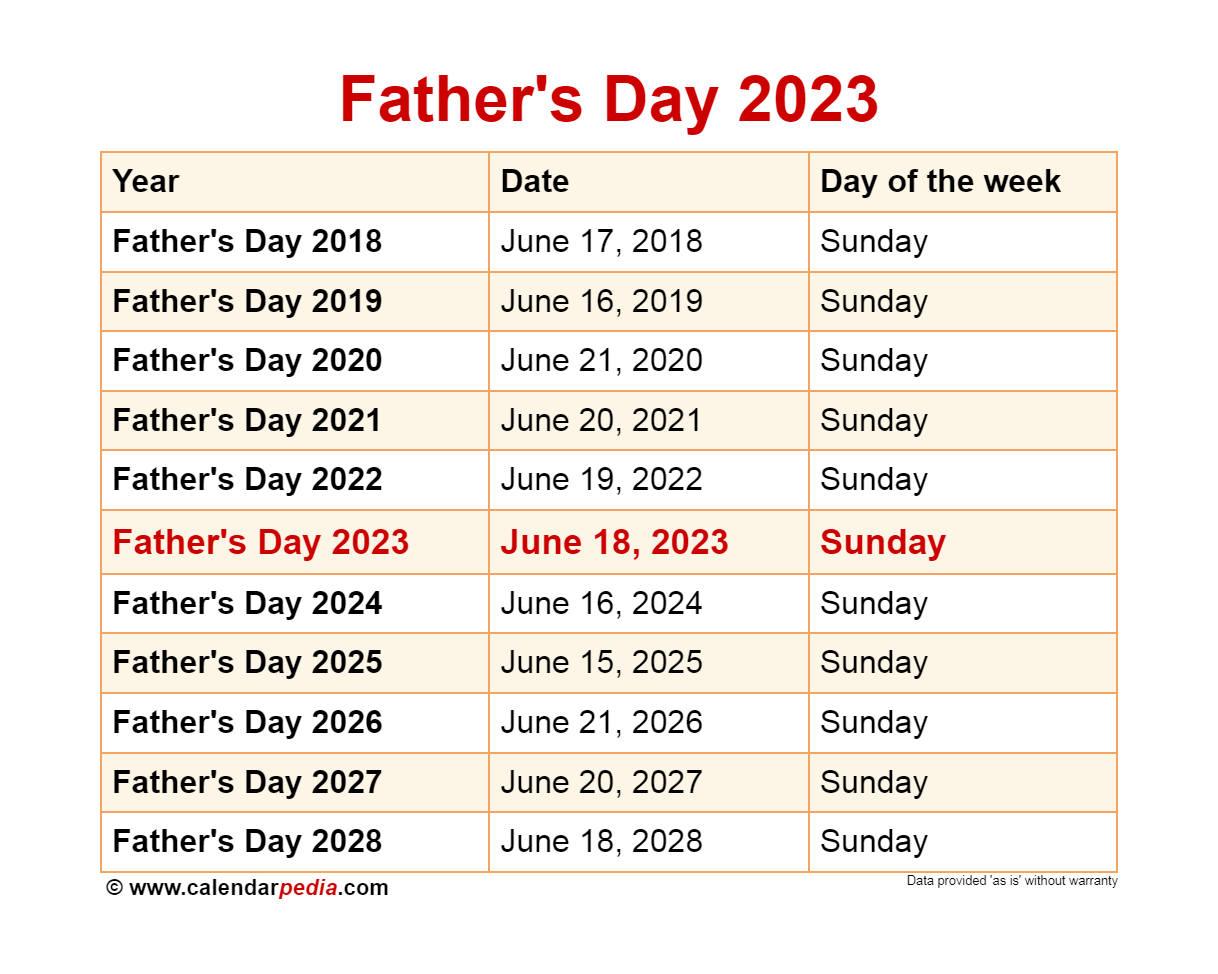
Over the long haul, the actual frequency of June 15th falling on a Sunday is very close to that 1 in 7 probability, but not perfectly exact due to the leap year effect. I'm talking statistically insignificant differences though.
To give you a rough idea, the last time June 15th was Father's Day was in 2014. Before that, it was way back in 2008. And if you're wondering when it'll happen again, mark your calendars (pun intended!) for 2025!

Think of it like waiting in line for your favorite concert. The lines seem random, but there is some predictable order to the chaos. There are patterns, even if they aren't immediately obvious.
So, there you have it. The likelihood of June 15th being Father's Day is similar to picking the right card from a deck seven times. It is not always easy, but it happens! Isn't it fascinating how something as seemingly simple as the calendar can hold so much hidden math and historical quirks? It's a reminder that even the most ordinary things can be surprisingly interesting if you just ask the right questions.
Keep pondering, keep wondering, and keep those calendars handy!