
How Often Do Septic Tanks Need To Be Emptied
Ah, the septic tank. For many of us, it’s the quiet, unseen workhorse of our homes, tucked away underground, doing its vital job without a fuss. It's easy to forget about something you never see, isn't it?
But like any loyal helper, our septic tanks have needs. The big question often whispered among homeowners, perhaps with a slight shiver, is: "How often does this mysterious underground friend need a visit from the pumper truck?"
The Unsung Hero Beneath Our Feet
Imagine a diligent, quiet housekeeper who tidies up all your home's wastewater, processing it day in and day out. That's your septic tank! It’s truly an unsung hero, constantly working to separate solids from liquids, allowing the treated liquid to return safely to the earth.
Must Read
This hidden champion ensures your household runs smoothly, taking care of the less glamorous but utterly essential parts of daily life. It’s a testament to engineering and nature working hand-in-hand, creating a tiny, yet mighty, ecosystem right in your backyard.
It demands very little attention, preferring to remain discreetly out of sight. But like any good relationship, a little understanding goes a long way in ensuring its long-term happiness and efficiency.
The Big Reveal: It's Not a One-Size-Fits-All Answer!
If you were hoping for a simple "every X years" answer, prepare for a delightful twist! The truth is, how often your septic tank needs emptying is a bit like asking how often you need to water your favorite houseplant, or how frequently your car needs an oil change. It depends on a few charming, and sometimes surprising, factors.
There's no magic calendar date that applies to every single tank out there. Each system has its own unique rhythm and requirements, making its maintenance schedule as individual as your fingerprint or the daily routines within your home.

"Your septic tank is less a machine, and more a living, breathing part of your home's ecosystem. Treat it with understanding, and it will serve you faithfully, silently, and efficiently."
The Cast of Characters Influencing Your Tank's Schedule
1. The Crowd You Keep: How Many Folks Call It Home?
This is perhaps the most straightforward factor, and it makes perfect sense when you think about it. A bustling household with teenagers who love long, hot showers and frequent laundry loads will naturally fill their tank faster than a cozy cottage inhabited by a single individual.
Think of it like a picnic basket: the more people sharing the delicious contents, the quicker the sandwiches and potato salad disappear! Similarly, more inhabitants generally mean more wastewater and a faster accumulation of solids at the bottom of the tank.
So, a lively family of four might comfortably look at pumping every 3-5 years, while a serene couple living alone could easily stretch it to 5-7 years or even longer. It's all about usage intensity and the sheer volume of daily activities.
2. The Tank's Grand Dimensions: Size Matters!
Just like a bigger pantry holds more groceries, a larger septic tank has more capacity to hold solids and liquids before it signals for help. A spacious 1,000-gallon tank will naturally take longer to fill up with sludge and scum than a snug 750-gallon tank, given the exact same household usage.

Knowing your tank's size, which is usually found on your property's original plans or through a quick call to your local health department, is a very helpful clue. It's like knowing the gas tank size of your car – it gives you a good idea of how far you can travel before needing a refill.
Larger tanks offer a bit more wiggle room in terms of pumping frequency, providing an extra layer of peace of mind for busy households.
3. What Goes Down the Drain: The Tank's Diet!
This is where things get really interesting and often a bit humorous, because our septic tanks are a lot like us – they thrive on a good diet! Your septic tank is primarily designed to digest human waste and toilet paper. That's its optimal, preferred diet.
But sometimes, we inadvertently feed it things that give it a serious tummy ache or simply refuse to break down. Things like excessive grease (imagine pouring bacon fat directly down your gullet!), coffee grounds, dental floss, those notorious "flushable" wipes (oh, the tales they could tell of clog-induced chaos!), harsh chemicals, and even cigarette butts are definite no-nos.
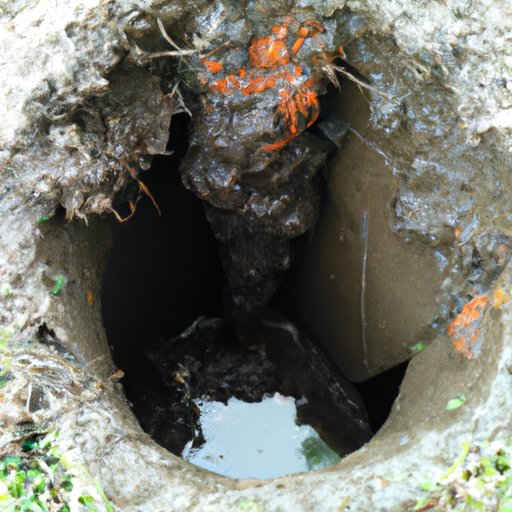
These indigestible items don't break down properly and contribute to sludge buildup much faster, giving your system indigestion it simply doesn't deserve. Being mindful of what you flush is a bit like being a good chef for your septic system, ensuring it only gets ingredients it can easily process. A happy tank is a tank that works efficiently for longer!
4. The Health of Your Drainfield: The Unseen Partner
While not directly about emptying the tank itself, the health of your drainfield (the area where the treated liquid from the tank is dispersed into the soil) is crucial. If the drainfield isn't working well, perhaps due to compaction or overuse, it can put extra strain on the tank.
This can lead to quicker backups and potentially necessitate more frequent pumping of the tank. It’s like a garden's soil: if the soil is healthy and absorbent, it handles water well. If it’s compacted and unhealthy, you get troublesome puddles and runoff.
Ensuring your entire system – the tank and its vital drainfield – are happy and healthy together is key to a long, trouble-free life for your septic system.
Whispers from Below: Signs It Might Be Time
Your septic tank, being the polite and quiet worker it is, might not send you a text message when it's full. But it does have subtle, sometimes not-so-subtle, ways of communicating its needs. Learning to read these signals can save you a lot of future headaches, and perhaps even some embarrassing moments!

- Slow Drains: Are your sinks gurgling a bit more than usual, or taking their sweet time to empty? This could be a sign that the solids in the tank are getting a bit too high, impeding the smooth flow of liquid out to the drainfield.
- Nasty Odors: A sudden, unmistakable whiff of something unpleasant in your yard, particularly over the tank or drainfield, or even near your drains indoors? That's a strong hint your tank is overflowing or struggling to process its contents, sending unhappy fumes your way.
- Lush Green Patches: While a vibrant green lawn is generally lovely, an unusually lush, green, or soggy patch of grass specifically over your drainfield might mean it's getting too much nutrient-rich liquid. This indicates a system that's a bit overwhelmed or struggling to absorb.
- Sewage Backups: This is the ultimate distress signal! If your toilets or drains start backing up into your house, it's a clear sign that your septic tank has truly given up the ghost for the moment and needs immediate, professional attention. It's the equivalent of a full-blown plumbing tantrum.
The Septic Pumper: Your Underground Health Guardian
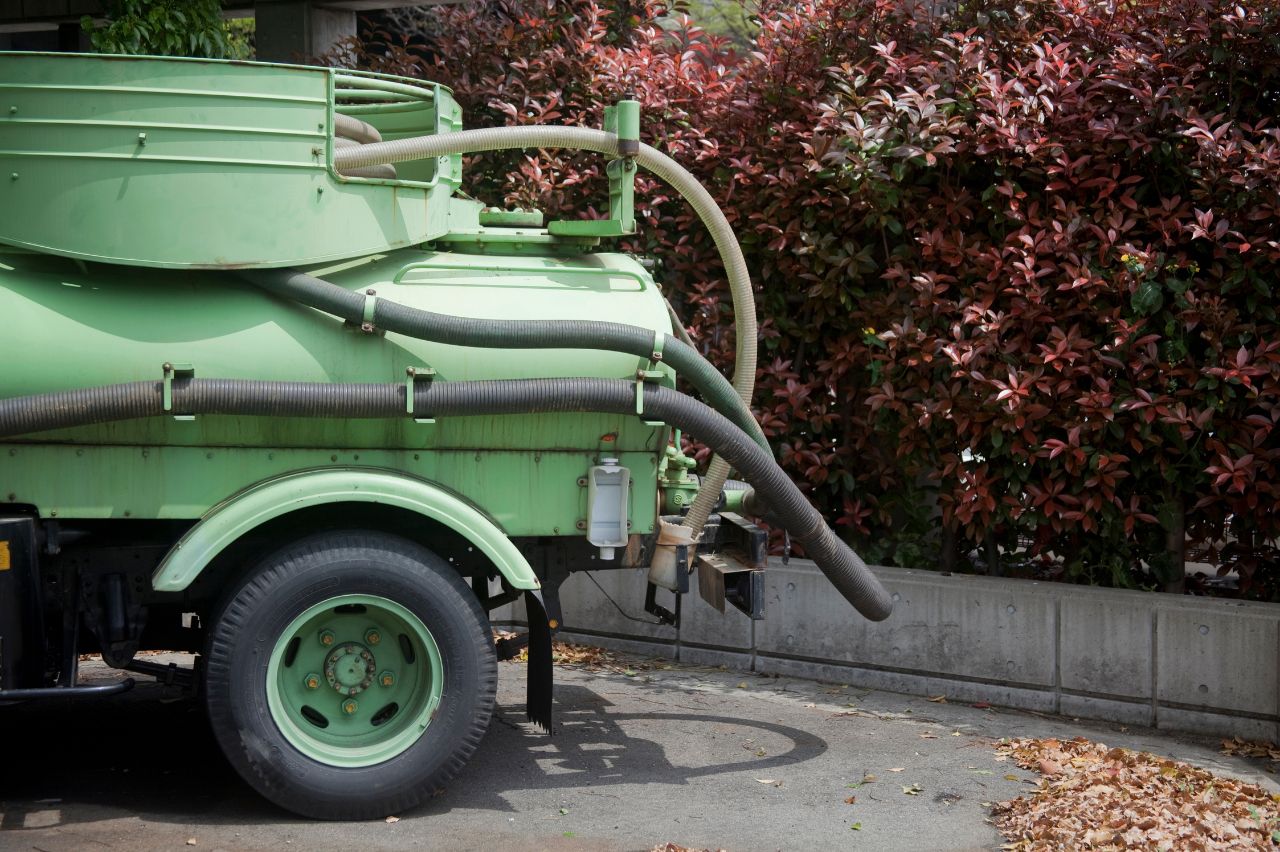
When it is time for that crucial emptying, call in the professionals! These unsung heroes of sanitation often have fascinating stories to tell, and their expertise is invaluable. They're not just emptying a tank; they're performing a vital health check on your home's most important underground system.
A good septic professional will not only pump out the accumulated sludge and scum but also inspect the baffles, check for any signs of trouble within the tank, and offer sound advice on how to keep your system humming along happily for years to come. They are the "septic whisperers", understanding the hidden language and delicate balance of your tank.
Regular maintenance, typically every 3-5 years for most households, isn't just about avoiding a messy situation; it's about prolonging the life of your entire septic system. It's a relatively small, proactive investment that protects a much larger one, ensuring precious peace of mind for many years to come.
Embracing the Septic Life: A New Perspective
So, the next time you think about your septic tank, don't just see it as a hidden chore. See it as an amazing, complex, and utterly essential part of your home. It's a silent guardian, diligently working to keep your environment clean and your household flowing smoothly, day in and day out.
By understanding its needs and treating it with a little care and mindfulness about what goes down the drain, you can ensure your septic system remains a happy, healthy, and surprisingly low-maintenance part of your home for many, many years. It's a relationship based on respect, a little bit of foresight, and gratitude for the unsung hero beneath your lawn.