How Much Will A Heat Pump Increase My Electric Bill

Let's be honest, who doesn't love the feeling of stepping into a perfectly comfortable home, regardless of the weather outside? Whether it's escaping the summer swelter or thawing out from a winter chill, a comfortable indoor temperature is a modern luxury we often take for granted. And that's largely thanks to our heating and cooling systems.
For many years, furnaces and air conditioners have been the go-to solutions. But now, there's a rising star in the home comfort arena: the heat pump. These clever devices are gaining popularity because they offer both heating and cooling in a single unit, making them a more efficient and environmentally friendly alternative. They work by transferring heat rather than generating it, which can save energy. Think of it like a refrigerator working in reverse – pulling heat from the outside air (even when it's cold!) and pumping it inside to warm your home, and then reversing the process in the summer to cool things down.
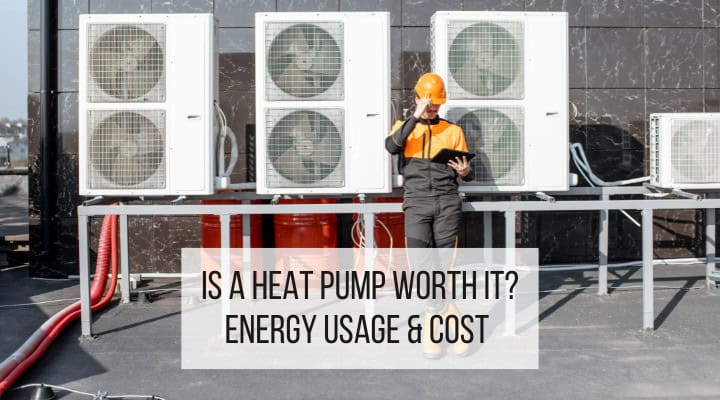
You'll find heat pumps in a variety of applications, from residential homes to commercial buildings. They can be used as a whole-house heating and cooling system, or as supplementary units in specific rooms. Mini-split heat pumps, for instance, are perfect for additions or areas that are difficult to heat or cool with traditional ductwork.
Must Read
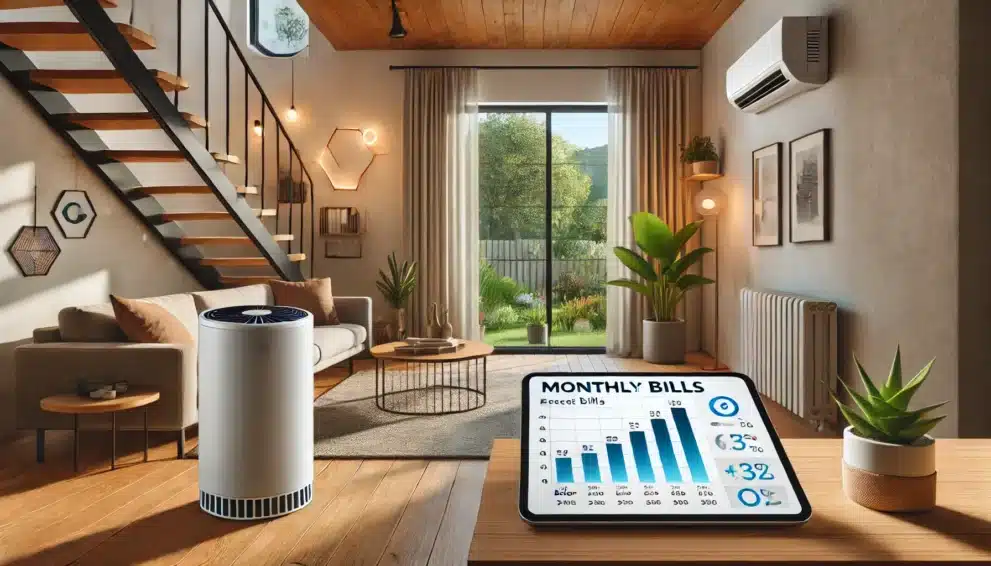
But here's the burning question on everyone's mind: how much will a heat pump increase my electric bill? It's a valid concern, and the answer, like most things in life, is: it depends. Several factors influence the impact on your electricity bill. Let's break it down:
- Your Climate: Heat pumps are most efficient in moderate climates. If you live in a region with extremely cold winters, the heat pump may need to work harder, and potentially rely on backup electric resistance heating, which can drive up your bill.
- The Heat Pump's Efficiency: Look for heat pumps with high SEER (Seasonal Energy Efficiency Ratio) and HSPF (Heating Seasonal Performance Factor) ratings. These ratings indicate how efficiently the unit heats and cools. The higher the number, the more efficient the heat pump, and the lower your energy consumption.
- Your Home's Insulation: A well-insulated home will retain heat in the winter and cool air in the summer, reducing the workload on your heat pump and lowering your energy bill.
- Your Thermostat Settings: Setting your thermostat to a comfortable, but not excessive, temperature can make a big difference. Programmable thermostats can also help by automatically adjusting the temperature when you're away or asleep.
- Proper Maintenance: Regular maintenance, such as cleaning the air filters and ensuring proper airflow, will keep your heat pump running efficiently. A neglected heat pump will consume more energy and potentially require costly repairs.
To enjoy your heat pump more effectively and keep those electricity bills in check, consider these practical tips: get a professional energy audit to identify areas in your home where you can improve insulation. Consider supplementing your heat pump with other heating sources during extremely cold periods. Don't crank the thermostat up or down dramatically; instead, aim for gradual temperature changes. And finally, schedule regular maintenance checks with a qualified HVAC technician.
Ultimately, a heat pump can be a fantastic way to heat and cool your home efficiently. While it will inevitably impact your electric bill, by understanding the factors involved and following these tips, you can maximize its energy savings and enjoy a comfortable home without breaking the bank.