
How Much Watts To Power A House
Hey there, energy explorer! Ever chill on your couch, binge-watching your favorite show, lights blazing, fridge humming, and suddenly wonder: "How much juice does all this actually take?" We're talking about the silent, invisible force that keeps our modern lives… well, alive! It’s all about watts, baby!
And guess what? It’s not some super-complicated science fair project. It’s actually pretty fun to peek behind the curtain and see what keeps your home buzzing. So, grab a coffee (or whatever powers you!), and let's unravel the electrifying mystery of how much wattage powers a house. Spoiler alert: it's a lot, but also, not as much as you might think for individual things!
Watts: The Heartbeat of Your Home
Alright, first things first: what is a watt? Think of it like this: if electricity were water flowing through pipes, volts would be the water pressure, and amps would be the flow rate. Watts? That’s the actual power you’re getting. It’s the punch, the oomph, the pure muscle that makes your devices do stuff. A small LED bulb sips a few watts. Your hairdryer? It guzzles them like there's no tomorrow!
Must Read
But here’s the quirky bit: we usually talk about kilowatts (kW). Why? Because a single watt is pretty tiny! A kilowatt is a thousand watts, just like a kilogram is a thousand grams. Most homes chew through kilowatts, not just single watts, especially when everything's humming along.
Imagine trying to power your entire house with just one tiny battery. You’d need a mountain of them! That's why kilowatts are our go-to unit when sizing up a whole house's thirst for power.
The Appliance Power Party!
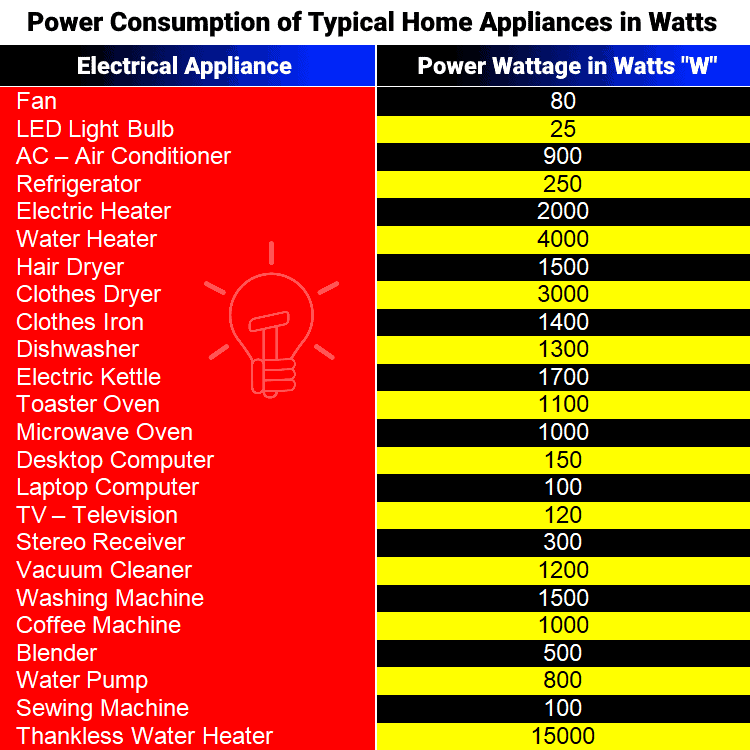
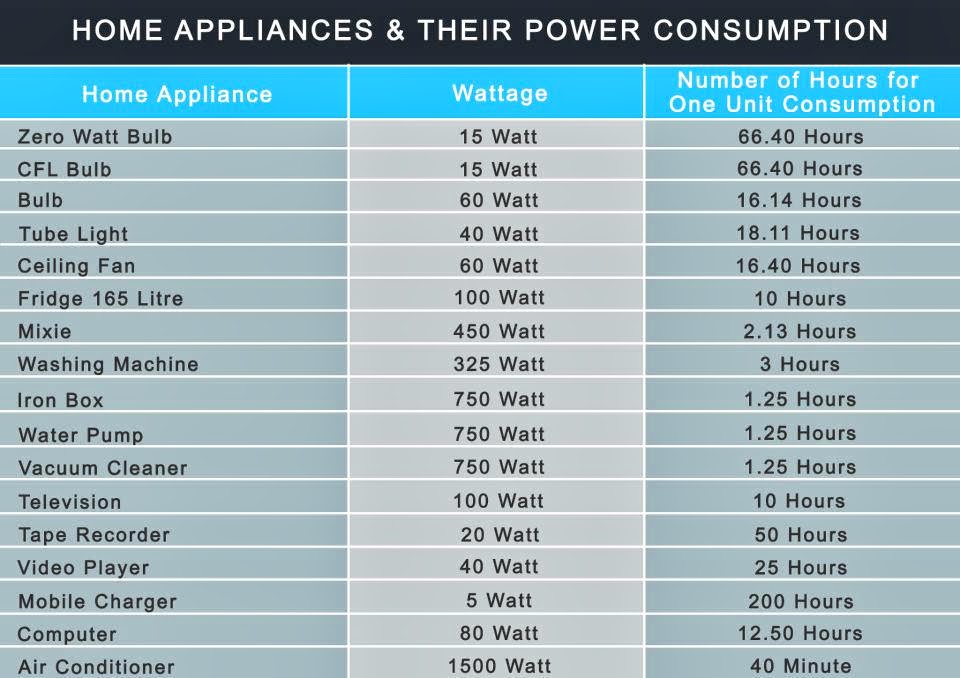
Let's play a game of "Who's the Biggest Energy Hog?" It's a real eye-opener! Your microwave, for instance, might blast at 1000-1500 watts when it's reheating last night's pizza. That's a lot! But it's only on for a few minutes. Your fridge? It might only pull 150-400 watts at any given moment, but it's on all the time. See the difference?
Here’s a quick peek at some typical wattage heroes and villains:
- Refrigerator: 150-400 W (constantly chugging!)
- Microwave: 700-1500 W (short, intense bursts)
- Hair Dryer: 1200-1875 W (oh so powerful, for a short time!)
- Dishwasher: 1200-2400 W (when heating water, that's the kicker!)
- Washing Machine: 500-2000 W (heating water again is usually the biggest pull)
- LED Light Bulb: 5-15 W (tiny sips, a true energy saver!)
- Gaming PC: 300-600 W (serious gaming needs serious juice)
- Big Screen TV: 100-200 W (entertainment for hours!)
Isn't it wild how much power these everyday items command? It's like having a miniature orchestra, each instrument playing at a different volume! And don't forget the difference between starting watts (when a motor kicks on) and running watts – some appliances have a brief, extra-hungry moment!
So, How Much for the Whole House?
This is where it gets interesting! Your house isn't always using all its potential power. Think of it like this: you don't keep all your faucets on full blast 24/7, right? The same goes for electricity.
An average American home might have a peak demand of anywhere from 5,000 to 10,000 watts (5-10 kW) at any given moment. This happens when you've got the AC blasting, the oven baking, the washing machine churning, and someone's blow-drying their hair all at once. It's a real energy party!
But the average running wattage for a typical household at any specific moment is usually much lower, often in the range of 1,000 to 3,000 watts (1-3 kW). This is your baseline: the fridge, some lights, a TV, maybe a computer. It's the hum of everyday life, the background music of your home.
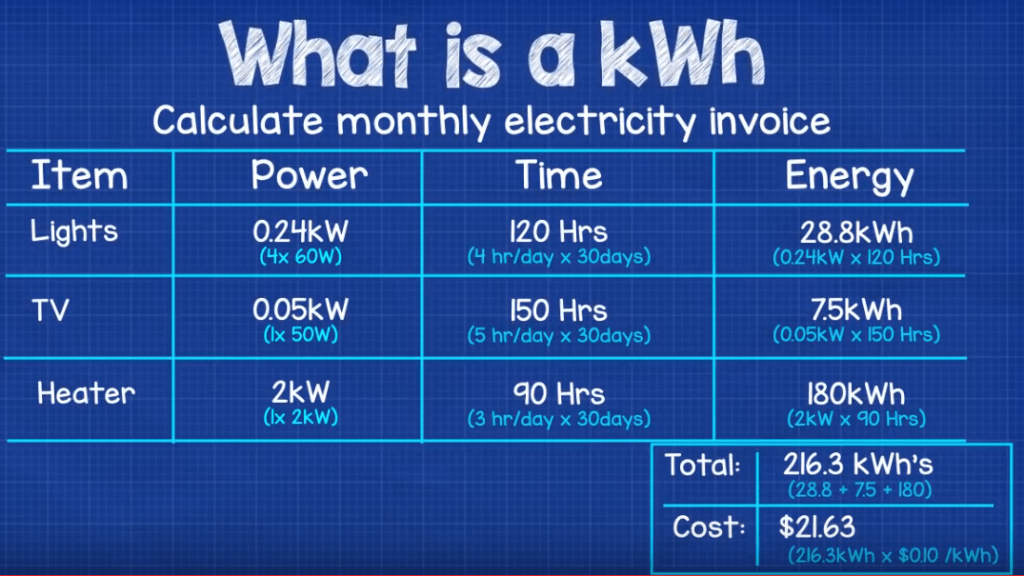
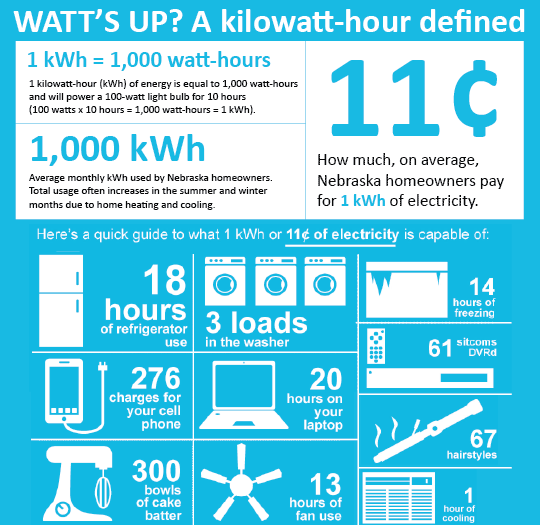
The real kicker for your electric bill isn't just watts, but kilowatt-hours (kWh). This is watts multiplied by the time it's used. So, that 1500W microwave used for 5 minutes is less costly than the 150W fridge running for 24 hours straight. Time is money, even for watts!
The Sneaky "Vampire" Power!
Here's a fun (and slightly spooky) fact: many devices use power even when they're off or in standby mode! This is called vampire power or phantom load. Think about your TV that's "off" but ready to spring to life with the remote, or your phone charger still plugged in without a phone attached. They're still sipping a tiny bit of power!
Individually, it's just a few watts. But collectively? Across all your devices, all day, every day? It can actually add up to 5-10% of your total electricity bill! It's like having a tiny, invisible power ghost haunting your outlets, secretly nibbling away at your energy budget. Spooky, right?

Why Even Bother Thinking About Watts?
Okay, so we've had our fun with watts, kilowatts, and energy vampires. But why should you even care? Besides being a super cool fact to drop at your next dinner party, understanding your home's wattage can actually make you a smarter homeowner!
It helps you appreciate the incredible energy grid that powers everything, bringing light and warmth right to your fingertips. It helps you understand why switching from those old, hot incandescent bulbs to cool, efficient LED bulbs actually matters for both your wallet and the planet. And it might just inspire you to unplug those chargers or turn off lights in empty rooms. Every little watt (or kilowatt!) saved is a tiny victory for your wallet and, well, just being smart about resources.
So next time your lights flicker or your toaster pops, you'll know it's not just magic – it's a whole lot of watts working hard for you! Keep that curiosity burning, literally!