
How Much Watt Does A Fridge Use

Ever gazed into your fridge, perhaps for that midnight snack or just to admire your perfectly organized meal prep, and wondered, "How much energy does this trusty giant actually guzzle?" You're not alone! It's a common, often unasked question in our modern, appliance-filled lives. And today, we're going to pull back the curtain on your fridge's power appetite, all in an easy-breezy, no-sweat kind of way.
Think of your fridge as the unsung hero of your kitchen, working tirelessly 24/7 to keep your avocados green, your ice cream solid, and your leftovers safe. But like any hero, it has its quirks, and one of them is its energy consumption. So, let's dive in!
The Great Wattage Reveal: It's Not a Single Number!
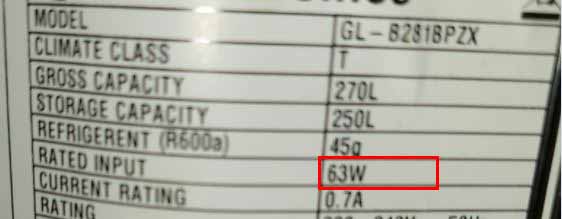
First off, there's no single, universal answer to "how much watt does a fridge use?" It's a bit like asking "how much does a car cost?" It depends! The wattage your fridge consumes is a dynamic dance influenced by several factors. Generally, you'll hear about two main types of wattage:
Must Read
- Running Watts: This is the power your fridge uses most of the time to maintain its cool temperature. It's usually a lower number.
- Starting or Peak Watts: When the compressor kicks on (you know that little hum and click?), it temporarily draws a higher surge of power. This peak can be significantly higher than the running watts, but it only lasts for a few seconds.
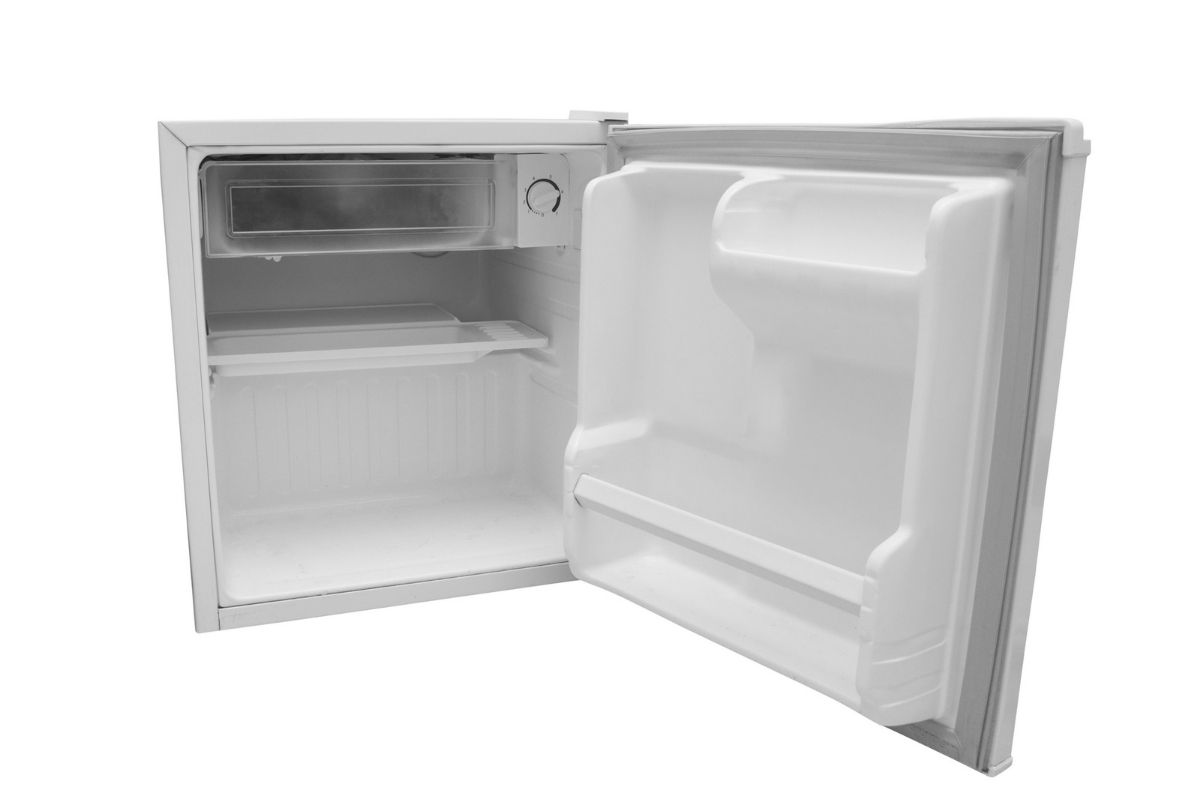
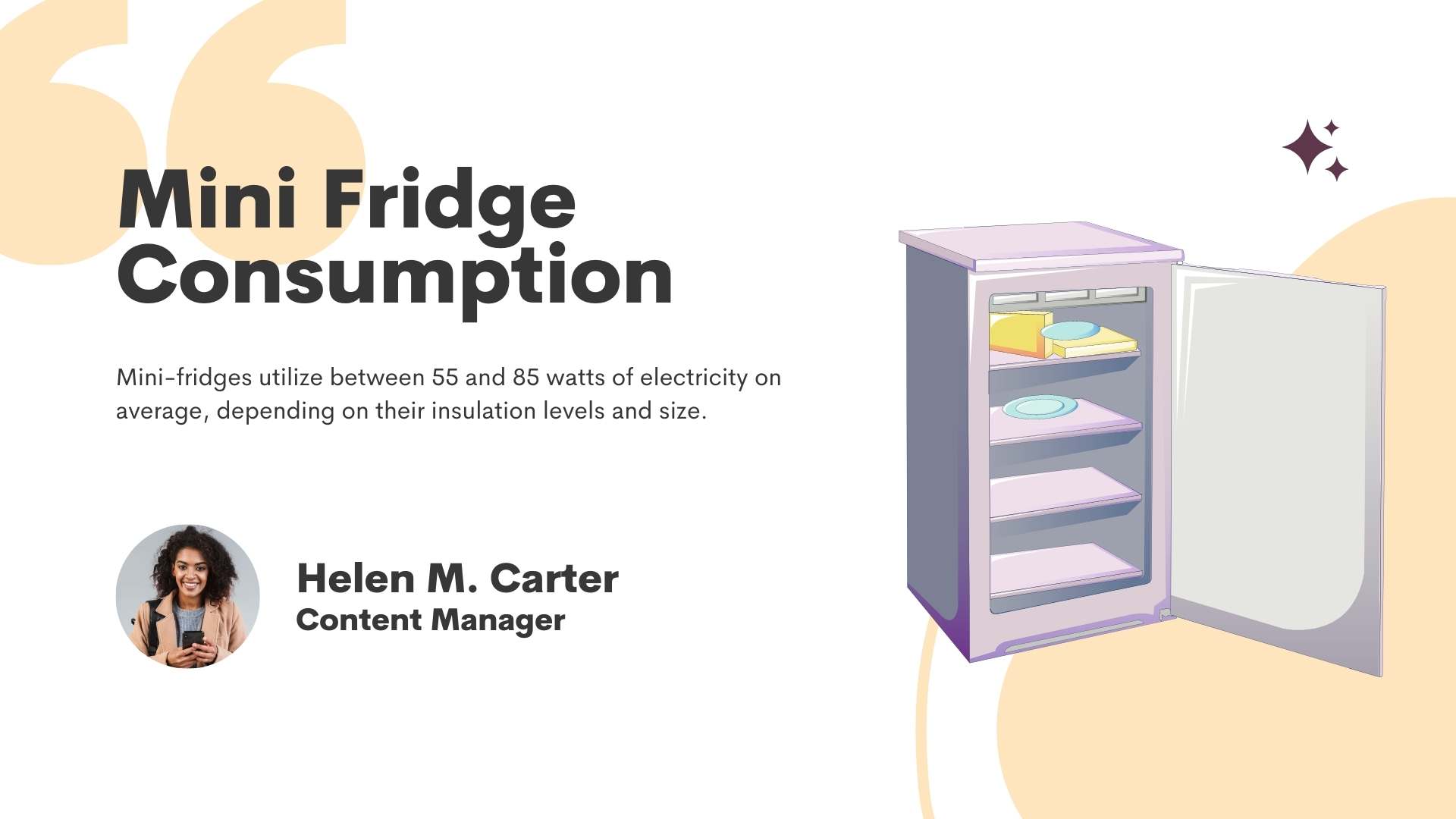
For most modern, standard-sized refrigerators, you're looking at an average running wattage somewhere between 100 to 200 watts. Older models? They might lean closer to 200-300 watts or even more! And those mini-fridges for your dorm room or office? They're usually in the 50-70 watt range. Pretty neat, huh?
What Makes Your Fridge Thirsty?
So, what are these mysterious factors that dictate your fridge's energy cravings? Let's break down the main culprits:
1. Age and Efficiency: This is a biggie. An old fridge, perhaps a vintage beauty from the 90s, can be an absolute energy hog. Modern refrigerators, especially those boasting the Energy Star label, are designed to be far more efficient. They're like the eco-friendly supermodels of the appliance world.
2. Size and Type: A compact mini-fridge naturally uses less power than a massive, French-door, side-by-side behemoth with an ice maker and water dispenser. More features, more space to cool, generally means more watts.
3. How You Use It: Believe it or not, your habits play a huge role! Do you stand there with the door open, contemplating your snack choices like it's a profound philosophical dilemma? Every time you open the door, warm air rushes in, making the compressor work harder to cool things down again.
4. Ambient Temperature: If your fridge is in a hot garage or a sunny spot in your kitchen, it has to work extra hard to keep its cool, consuming more energy.
5. Food Load: A well-stocked fridge (not overstuffed!) is more energy-efficient than an empty one. The food and drinks act as a thermal mass, helping to maintain a consistent temperature.
Smart Moves for a Happier (and Cheaper) Fridge Life
Knowing all this, what can you do? Plenty! Here are some practical, easy-peasy tips to keep your fridge humming efficiently and your energy bill smiling:
- Mind the Gaps: Regularly check your door seals. A simple paper test (if it slips out easily when the door is closed on it, you might have a leak!) can reveal if cold air is escaping.
- Clean Coils: Dust and pet hair can build up on the condenser coils at the back or bottom of your fridge, making it less efficient. A quick vacuuming a couple of times a year does wonders.
- Cool Before You Store: Avoid putting hot leftovers directly into the fridge. Let them cool down to room temperature first to avoid making your fridge work overtime.
- Organize & Optimize: Keep your fridge somewhat full but not packed to the gills. And try to know what you want before you open the door!
- Placement Matters: Keep your fridge away from direct sunlight, ovens, or radiators.
- Defrost Regularly: If you have an older manual defrost model, a thick layer of ice in the freezer makes it less efficient.
The Bigger Picture: From Watts to Your Wallet
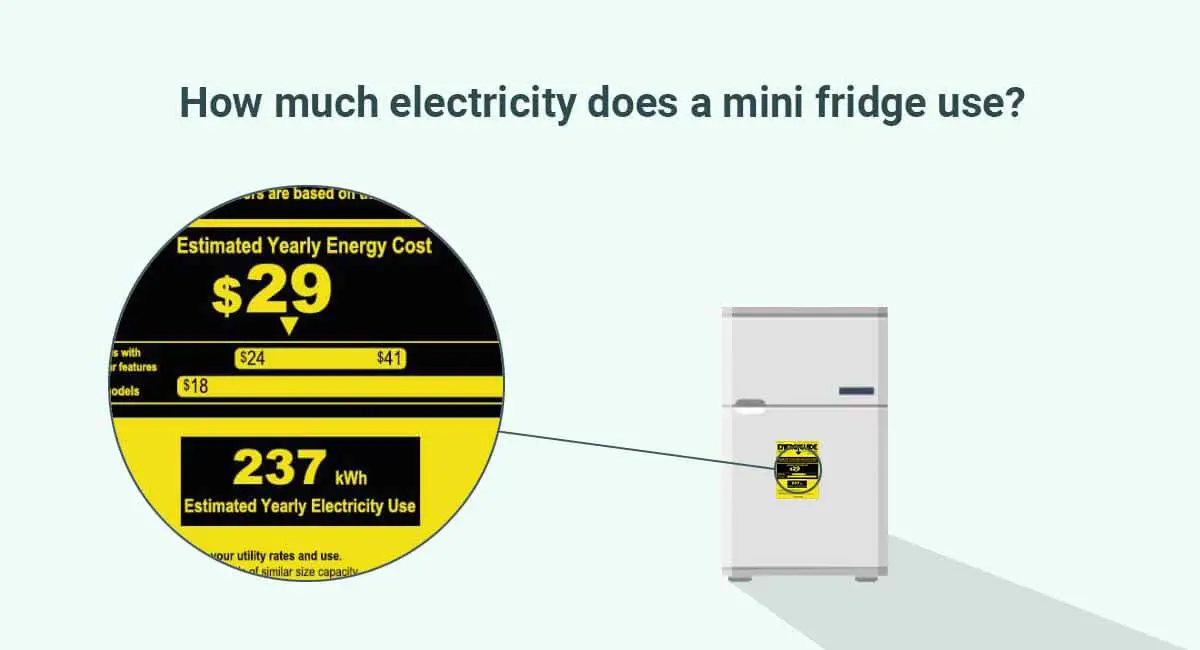
While watts are about instantaneous power, what truly affects your electricity bill is kilowatt-hours (kWh). This is the amount of energy consumed over time. So, a fridge that runs for many hours at a certain wattage racks up kWh, which is what your utility company charges you for. An Energy Star fridge might use around 300-600 kWh per year, while an older one could easily hit 1000+ kWh. That's a significant difference!
Think about it: the average American household spends around $1,500 on electricity annually. Your fridge could be a noticeable slice of that pie!
A Little Reflection: The Heart of the Home
Our refrigerators are more than just cold boxes; they're the heart of our kitchens, safeguarding our sustenance and enabling our culinary adventures. From preserving grandma's secret sauce to chilling celebratory champagne, they play an indispensable role.
Understanding a little about their energy consumption isn't just about saving a few bucks (though that's nice!). It's about being more mindful, making smarter choices, and contributing to a slightly greener planet, one perfectly chilled leftover at a time. So next time you reach for that late-night snack, give a silent nod to your fridge – and maybe close the door a little quicker!