
How Much Water Does The Average House Use Per Day
Ever wondered how much water your house guzzles down each day? It's probably more than you think! Let's dive into the watery world of household water usage.
The Great Water Mystery
Figuring out the exact amount is like solving a quirky puzzle. There's no single, simple answer, as usage depends on many different factors. Consider how many people are living in the house.
Also, the size of your yard and your watering habits have a big influence. Do you have a penchant for long showers?
Must Read
The Average Joe's Water Footprint
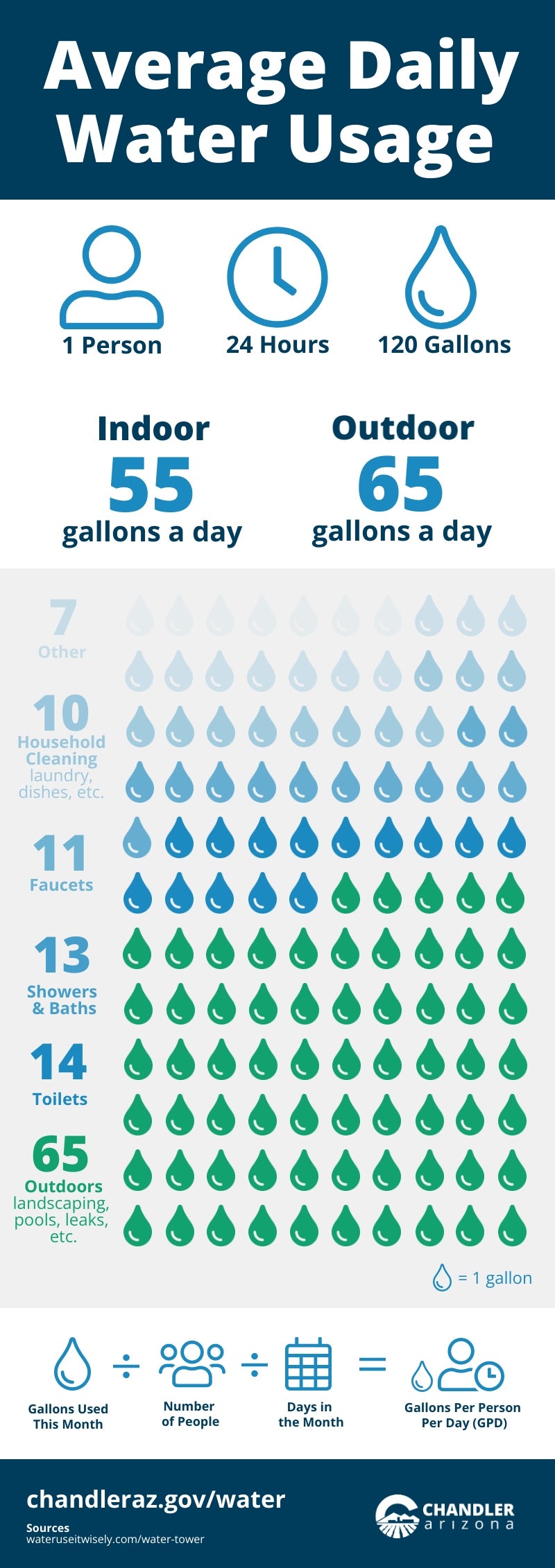
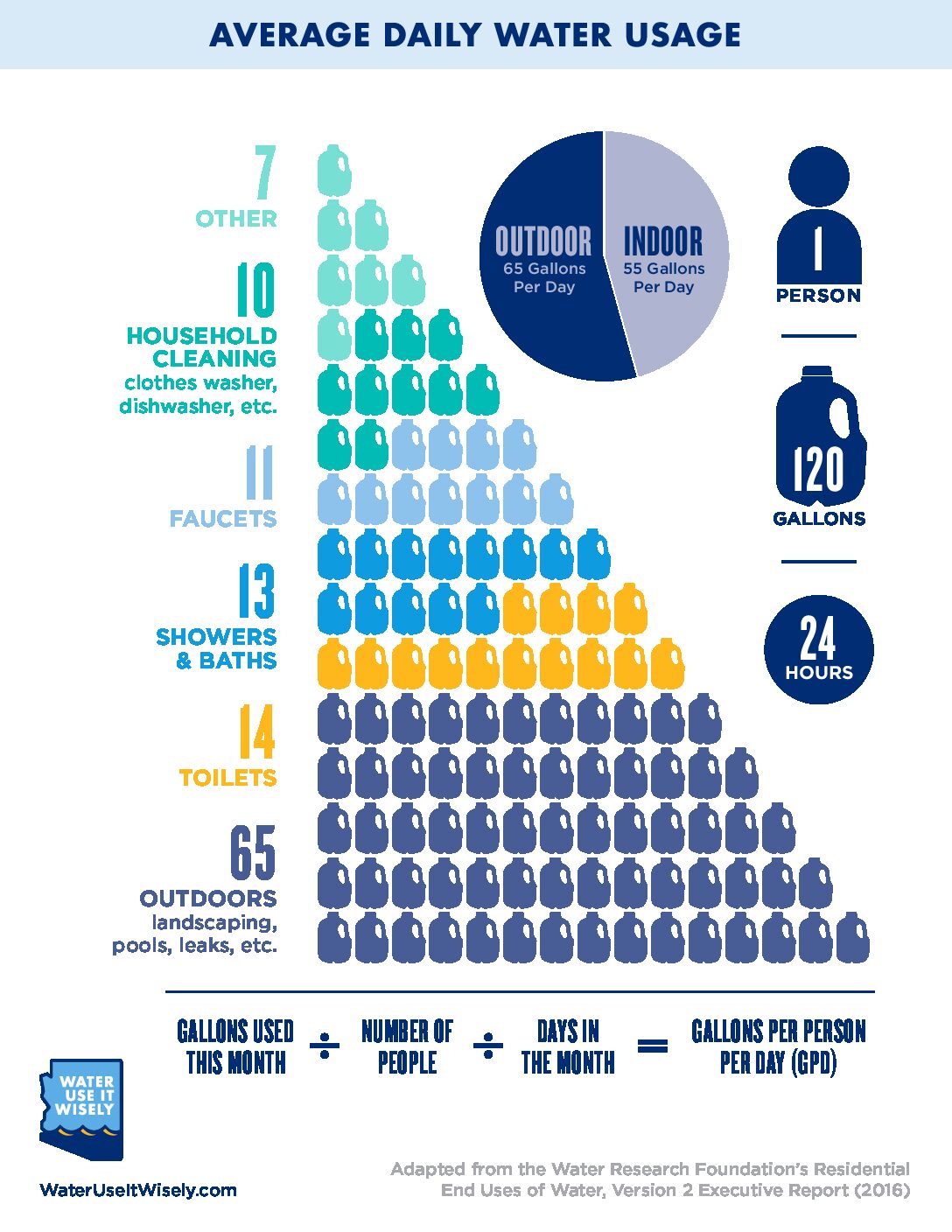
But let's talk numbers. The Environmental Protection Agency (EPA) estimates that the average American household uses about 300 gallons of water per day.
That's enough to fill a small swimming pool every week! If you divide that by the average household size (about 2.5 people), you get about 120 gallons per person per day.
Of course, this is just an average, some use less, others use far more.
Where Does All That Water Go?
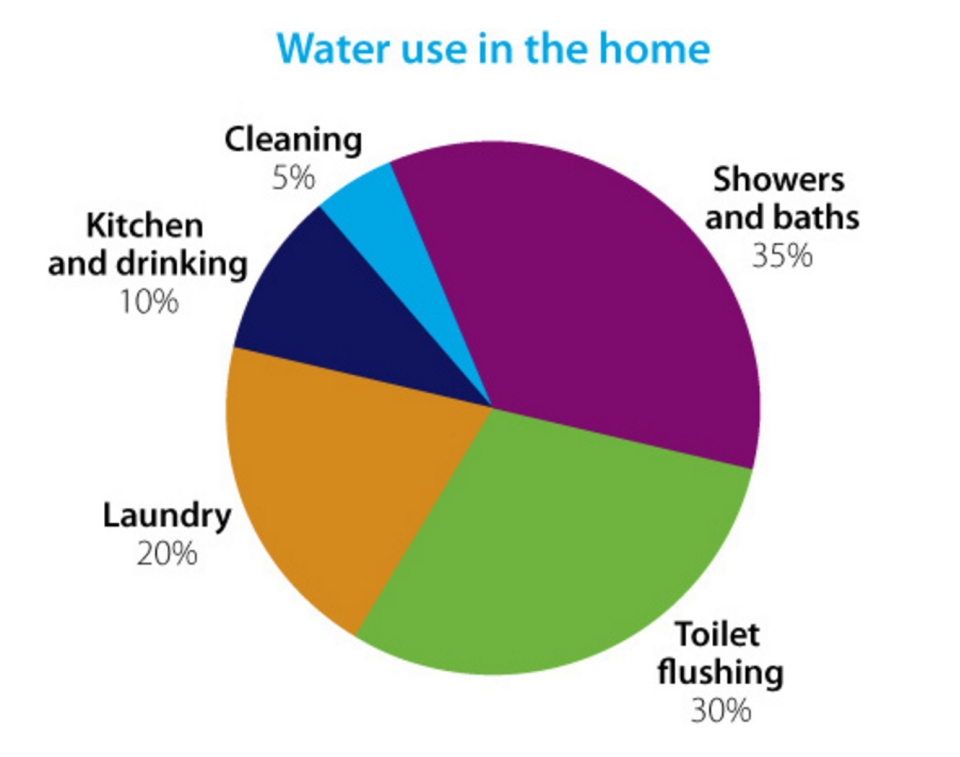
So, where does all that water disappear to? Believe it or not, the toilet is a major culprit! Older toilets can use up to 6 gallons per flush, while newer, high-efficiency models use a measly 1.6 gallons.
Think about how many times you flush a day, and you start to get the picture. Showers are another big water consumer.
An average shower uses about 2.5 gallons of water per minute. That long, hot shower after a hard day might be costing you more than you realize.
Laundry Loads and Leaky Faucets
Then there's laundry. Washing machines, especially older models, can use a significant amount of water per load.
And don't forget about leaky faucets and running toilets! Even a small drip can waste gallons of water over time.
It all adds up very quickly!
Water-Saving Superheroes
Want to shrink your household's water footprint? There are plenty of ways to become a water-saving superhero. One simple thing to do is to replace older appliances.
Investing in water-efficient toilets, showerheads, and washing machines can save a significant amount of water over time. Plus, you might even see a decrease in your water bill!
It's a win-win situation.
Mindful Habits for a Greener Future
Changing your habits is another fantastic way to conserve water. Take shorter showers. It sounds simple, but shaving even a minute or two off your shower time can make a big difference.
Turn off the tap while brushing your teeth. This is such an easy thing to do.
Fix those leaky faucets! A dripping faucet might seem harmless, but it can waste hundreds of gallons of water each year.

The Great Outdoors
Don't forget about your yard! Watering your lawn can use a lot of water, especially during the hot summer months. Consider using drought-resistant plants.
Adjust your sprinkler system to water only when needed. Rain sensors are also a great idea.
You can also collect rainwater to use for watering your plants.
A Community Effort
Conserving water isn't just about saving money. It's also about protecting our planet's precious resources. Every drop counts, and by making small changes in our daily lives, we can make a big difference.
Talk to your family and friends about water conservation. Share tips and ideas on how to save water.
Together, we can create a more sustainable future for generations to come.
The Surprising Cost of a Running Tap
Did you know a running tap can waste up to three gallons of water per minute? That's almost enough to fill a small bucket!
Think about how often you leave the tap running while you're doing dishes or waiting for the water to heat up. These seemingly small moments can add up to a significant amount of wasted water over time.
The simple act of turning off the tap can have a surprisingly large impact.
The Dishwashing Dilemma
When it comes to washing dishes, there's a long-standing debate: dishwasher versus handwashing. Which one uses more water?
Surprisingly, a modern, energy-efficient dishwasher often uses less water than handwashing, especially if you tend to let the water run while scrubbing. Just make sure to run full loads!
However, if you're meticulous about conserving water while handwashing, you might be able to use less. It all depends on your technique.
The Power of Education
One of the most powerful tools in water conservation is education. The more people know about water usage and its impact on the environment, the more likely they are to make conscious choices to conserve.
Talk to your children about water conservation. Explain why it's important and how they can help.
There are many resources available online and in your community to help you learn more about water conservation.
The Heartwarming Impact of Small Actions
Saving water might seem like a small thing, but it can have a heartwarming impact on communities around the world. Access to clean water is a fundamental human right.
By conserving water, we can help ensure that everyone has access to this vital resource. Every drop we save is a step towards a more equitable and sustainable future.
The impact of our actions can ripple outwards, creating a positive change far beyond our own homes.
The Future of Water Conservation
As the world's population grows and climate change intensifies, water conservation will become even more critical. We need to continue to innovate and develop new ways to use water more efficiently.
From smart irrigation systems to waterless urinals, there are many exciting technologies on the horizon that can help us conserve water. The key is to embrace these innovations and make them accessible to everyone.
The future of water conservation is bright, but it requires a collective effort.
Embracing a Water-Wise Lifestyle
Ultimately, water conservation is about embracing a water-wise lifestyle. It's about being mindful of our water usage and making conscious choices to conserve.
It's about recognizing the value of water and appreciating its importance in our lives. By adopting a water-wise lifestyle, we can create a more sustainable future for ourselves and for generations to come.
It's a journey, not a destination, and every step we take makes a difference. Remember 300 gallons.