How Much Water Does Average Household Use Per Month

Hey there, water buddy! Ever wonder where all that H2O goes in your house? You turn on the faucet, flush the toilet, maybe even give the lawn a little drink… but have you ever actually stopped to think, “Wait, how much water am I really using?” Well, grab a glass of water (ironically!), because we’re diving into the deep end of household water consumption!
The Average Joe's Water Bill (and how it breaks down)
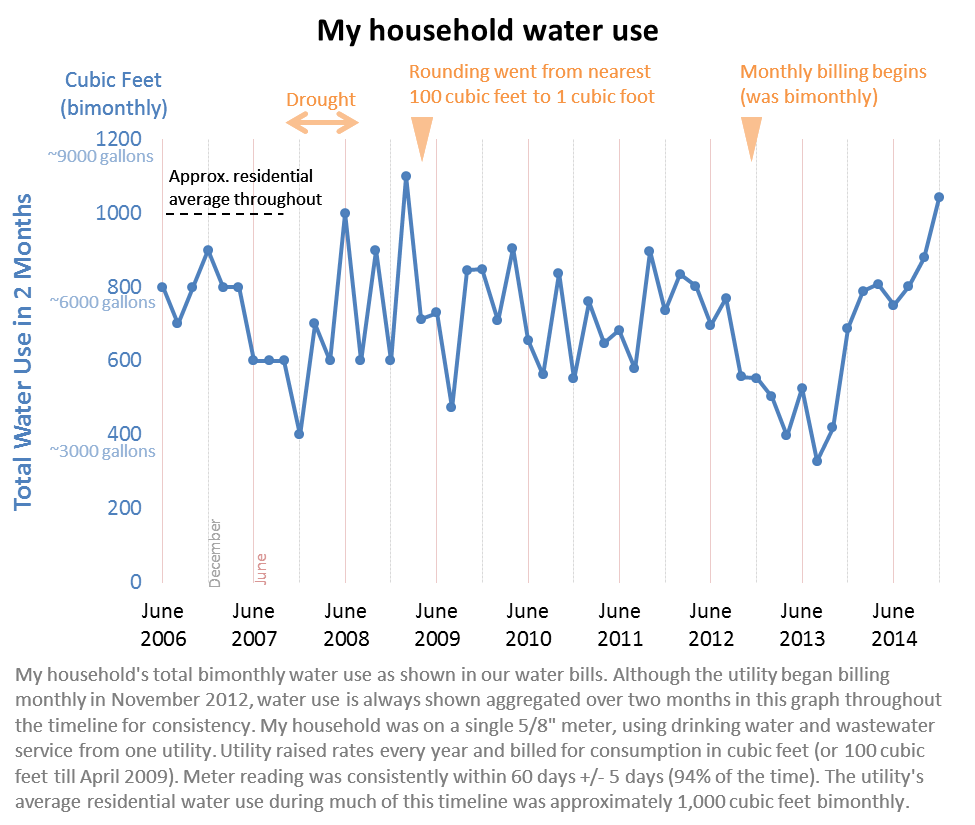
Alright, let's get down to brass tacks. On average, a US household uses about 300 gallons of water per day. Whoa! That sounds like a lot, right? That's roughly 9,000 gallons a month! To put it in perspective, imagine filling up a kiddie pool… and then doing it 9,000 times. Okay, maybe don't actually do that, unless you really want a big water bill next month.
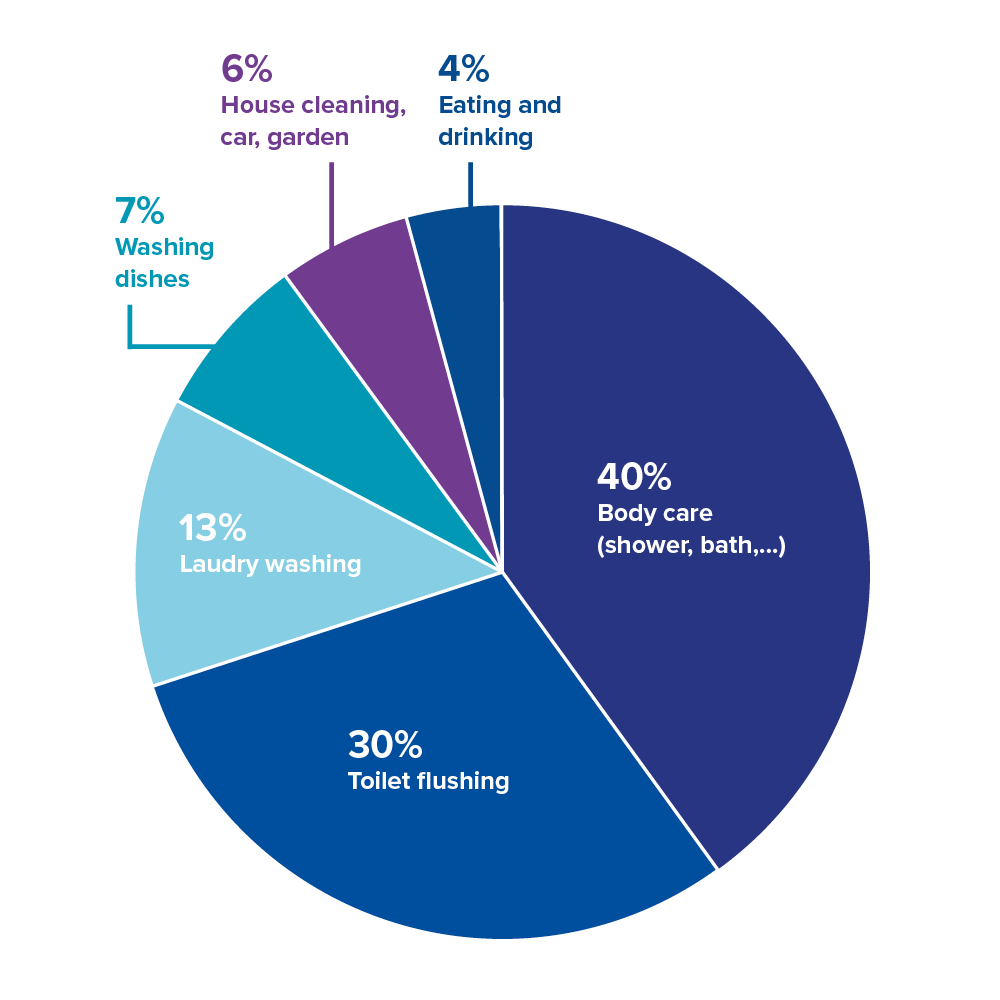
Of course, that's just an average. Your actual usage can vary wildly depending on a bunch of things. Like… Do you have a family of ten with a pet elephant? Or are you a minimalist living solo with a cactus collection? These things matter! Let's break down where all this water is typically going:
Must Read
- Toilet Flushes: Toilets are the biggest water hogs in many homes, accounting for almost 30% of indoor water use. Every flush sends gallons swirling down the drain. (Pro-tip: If your toilet is old, consider upgrading to a low-flow model. Your wallet and the planet will thank you!)
- Showers: Ah, the blissful shower. But those minutes under the warm water add up! Showers can account for around 20% of household water use. Maybe try singing a slightly shorter version of your favorite shower anthem? Just a thought!
- Faucets: Washing dishes, brushing teeth, grabbing a quick drink… It all adds up! Faucets contribute about 19% to water usage.
- Laundry: Doing laundry uses roughly 15% of your water. Try to wash full loads to maximize efficiency. Nobody likes doing laundry twice, anyway.
- Leaks: Leaks are the sneaky ninjas of water waste. Even a small drip can waste gallons over time. Regularly check your faucets and pipes for any signs of trouble. A running toilet could be costing you big time!
- Outdoor Use: Watering your lawn, washing the car, filling the pool… outdoor activities can be a significant water drain, especially in drier climates. Sometimes as much as 30%!
Factors That Influence Your Water Footprint
So, why does water usage vary so much? Here are a few key factors:

- Family Size: This one's pretty obvious. More people = more showers, more toilet flushes, more laundry, you get the picture.
- Landscaping: Got a lush green lawn that requires daily watering? Or a desert-friendly landscape with cacti and succulents? The type of landscaping makes a huge difference.
- Appliance Efficiency: Older appliances tend to be less water-efficient than newer models. Consider upgrading to Energy Star certified appliances when it's time to replace them.
- Lifestyle: Are you a "long shower" kind of person? Do you wash your car every week? Your lifestyle choices directly impact your water consumption.
- Location: Where you live plays a role too! Areas with plentiful rainfall may be less conscious of water conservation than those in drought-prone regions.
Okay, I'm Using Too Much Water! What Now?
Don't panic! The good news is, there are tons of simple ways to reduce your water consumption. Here are a few quick tips:
- Fix those leaks! Seriously, even a small drip can add up to a lot of wasted water (and money!) over time.
- Take shorter showers. Set a timer if you need to! (Or just sing a really short song.)
- Install low-flow showerheads and toilets. They're a surprisingly effective way to save water without sacrificing comfort.
- Water your lawn wisely. Water early in the morning or late in the evening to minimize evaporation. And consider using drought-tolerant plants.
- Wash full loads of laundry and dishes. Don't run half-empty machines!
- Collect rainwater. Use it to water your plants!
Every little bit helps. Even small changes in your habits can make a big difference in your overall water consumption (and your water bill!). Remember, every drop counts!

The Ripple Effect of Water Conservation
Conserving water isn't just about saving money. It's about protecting our planet and ensuring that future generations have access to this precious resource. When you conserve water, you're also reducing the energy needed to treat and transport it, which helps to lower greenhouse gas emissions. So, you're basically a superhero in disguise! You got this!
So, take a look at your water bill, identify areas where you can make changes, and start making a splash (pun intended!) in your water conservation efforts. You might be surprised at how much you can save, both for your wallet and for the planet. And who knows? Maybe you'll even inspire your neighbors to do the same! Now go forth and conquer that water bill! You've got the knowledge, you've got the power, and you've got the water-saving spirit! Cheers to a more sustainable future, one drop at a time!