
How Much To Run Space Heater

Alright, pull up a comfy chair, grab yourself something warm to drink, because we're about to dive into one of life's great mysteries: how much exactly can you run that glorious, little sun-in-a-box we call a space heater?
You know the drill. It's a Tuesday morning, the thermostat is staging a silent protest, and your toes are doing their best impression of tiny ice cubes. Then you remember it – your trusty space heater, nestled in the corner, looking all innocent. You plug it in, feel that first glorious blast of warmth, and suddenly, life has meaning again. But then, a tiny, nagging voice whispers: "How long is too long?"
The Great Heat Debate: How Long is Too Long?
It’s a question that plagues us all, right up there with "Is this outfit too much?" and "Did I leave the oven on?" The short answer, my friend, is both incredibly unsatisfying and completely accurate: it depends.
Must Read
I know, I know. Not exactly the definitive decree you were hoping for. But stick with me, because there are a few sneaky culprits conspiring to influence your heater's optimal run time, and your future electricity bill's well-being.
First, Let's Talk Watts (and Your Wallet's Agony)
Every space heater has a wattage rating. Think of it like a car's horsepower. More watts generally means more heat, but also – and this is where your wallet starts to hyperventilate – more electricity consumed. Most common portable heaters clock in around 1,500 watts. That's a decent chunk of power, enough to make your electric meter spin like a fidget spinner on an espresso shot.
So, a 1,500-watt heater running for an hour is consuming 1.5 kilowatt-hours (kWh) of electricity. Now, multiply that by how many hours you plan to run it, and then by your local electricity rate. Suddenly, that cozy warmth starts to feel like it’s being paid for in solid gold ingots, doesn't it?

Room, Sweet Room (or Not So Sweet, If It's a Drafty Barn)
The size and insulation of your room play a colossal role. Trying to heat a cavernous living room with a dinky 900-watt ceramic heater is like trying to dry an Olympic swimming pool with a hairdryer. You’ll be running it forever, and still, your cat will look at you with judging eyes, wondering why it's not warmer.
Conversely, if you're just trying to take the chill off a small, well-insulated home office where you're typing away your magnum opus, your heater won't need to work nearly as hard or for as long. So, take a peek at your heater's recommended room size. It’s usually on the box or in the manual, which, let's be honest, you probably recycled immediately.
Safety First, Folks! (Unless You Like Spontaneous Combustions)
Okay, this isn't the funny part, but it's the super important part. Space heaters are fantastic, but they're also one of the leading causes of home fires. I'm not trying to scare you into hypothermia, but this is serious stuff.

Never, ever leave a space heater unattended for long periods, especially not overnight. And give it some space! The "3-foot rule" is your best friend: keep anything flammable (curtains, blankets, your towering stack of pizza boxes) at least three feet away. No one wants to call the fire department because their socks got too cozy.
Also, make sure your electrical circuit can handle it. Plugging a high-wattage heater into an overloaded extension cord or a circuit already running your fridge, microwave, and plasma TV is a recipe for a tripped breaker, plunging your house into darkness faster than you can say "power outage."
The Art of "Just Right": Finding Your Heater's Sweet Spot
So, considering all this, how long should you run it? Here’s the secret: use it with purpose.
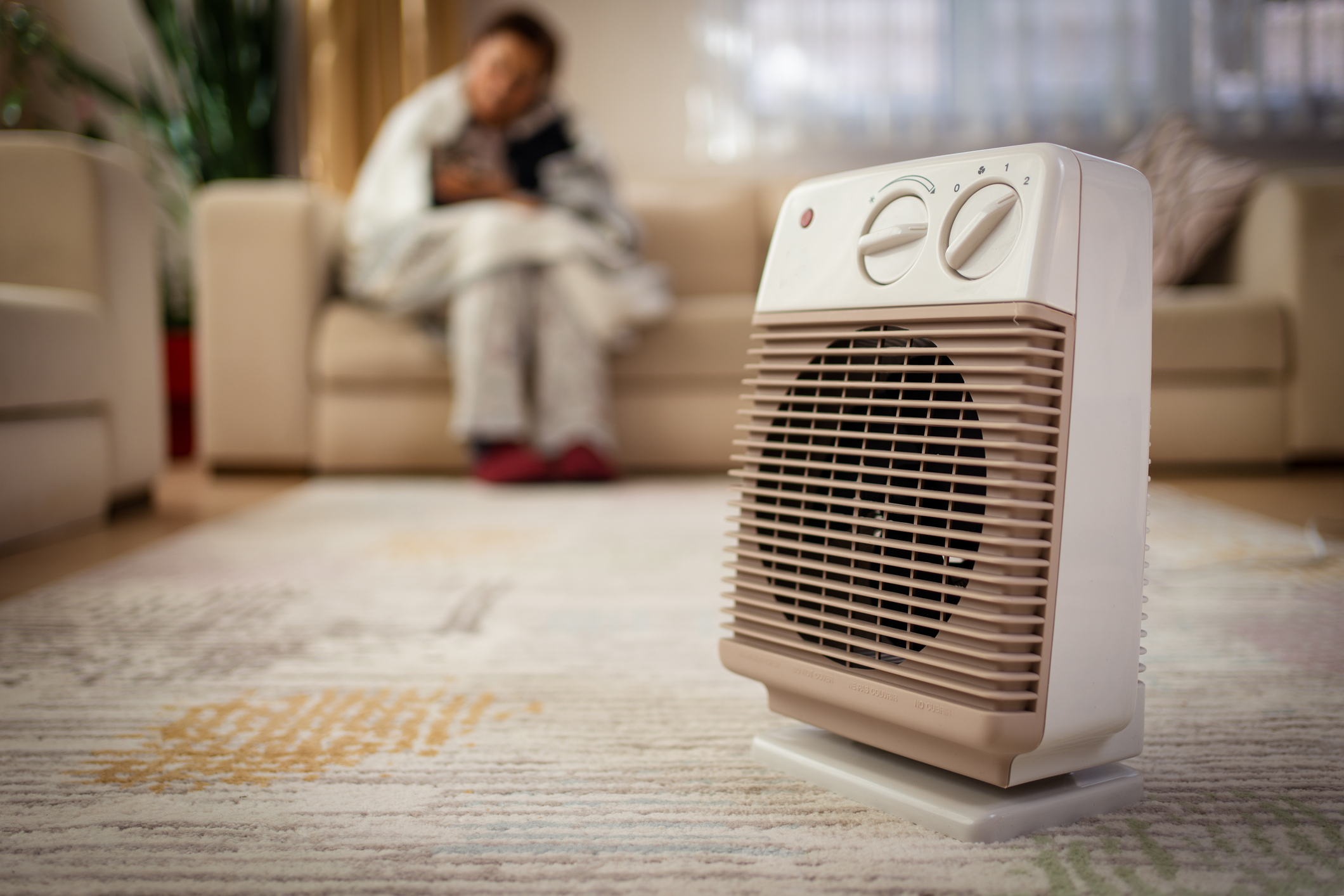
Instead of running it all day to make your room feel like a tropical paradise (and racking up a bill that'll make your eyes water), aim for zone heating. Heat the space you're actually in. If you're chilling on the sofa, point that heater at the sofa. Working at your desk? Direct it there.
Many modern space heaters come with a thermostat. This is your hero! Set it to your desired temperature – say, a comfortable 68-70°F (20-21°C) – and let the heater cycle on and off as needed. It won't run continuously, saving you energy and money while keeping you toasty.
The Grand Finale: So, How Long Should You Run It?
Here’s my friendly, café-storytelling advice:
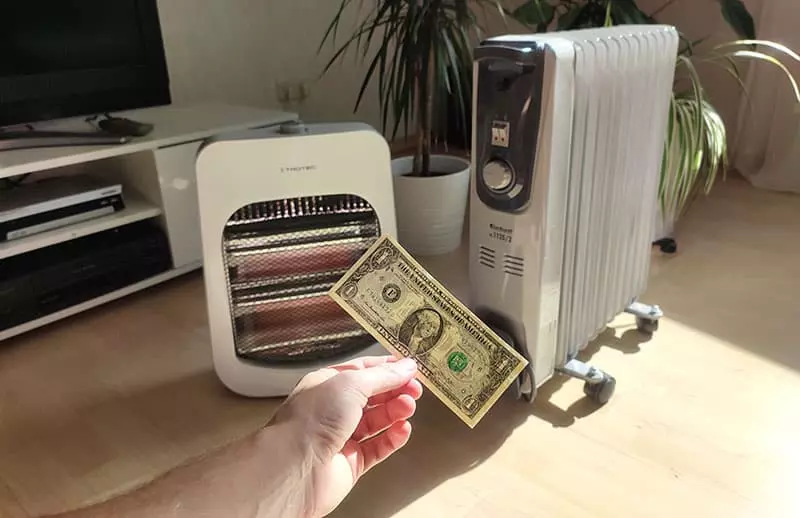
If your room is reasonably sized and insulated, and your heater has a thermostat, you can probably run it for a few hours at a time, letting it cycle. When you leave the room for an extended period, turn it off. When you go to bed, turn it off. Or, at the very least, make sure it has an auto-shutoff timer feature, which is a glorious invention.
Think of your space heater as a loyal, diligent worker who needs a break. It's there to warm you up, not to wage a never-ending war against the cold abyss of your entire house. Use it to warm up a chilly space, then let your central heating (if you have it) maintain a lower, overall comfortable temperature.
In conclusion, dear friend, enjoy that wonderful warmth. Just be smart about it, keep an eye on safety, and remember that while a cozy room is priceless, that electricity bill definitely isn't free. Now, if you'll excuse me, I think I hear my space heater calling my name from the other room...