
How Much To Insulate A Basement
Alright, gather 'round, folks, and let me tell you a tale as old as time itself: the saga of the cold basement. You know the one. You brave the descent down those creaky stairs, and suddenly, you're not in your house anymore. You're in some kind of subterranean icebox, a forgotten realm where the socks feel perpetually damp, and the very air whispers tales of sorrow to your energy bill. Or maybe it's the opposite: a humid, musty cave that smells vaguely of ancient socks and unfulfilled dreams.
Sound familiar? Excellent. Because today, we're tackling the million-dollar question: How much do you actually need to insulate that basement of yours? Is it a thin sweater job, or are we talking full-on arctic expedition gear?
Why Bother, You Ask? (Besides Not Freezing Your Toes Off)
First, let's establish why we even embark on this journey. It's not just about comfort, though that's a huge bonus. We're talking about:
Must Read
- Saving cold, hard cash: Your furnace/AC is practically running a marathon trying to compensate for the heat seeping out (or in!) through those bare concrete walls. Insulation is like giving it a much-needed break, and your wallet a raise.
- Moisture management: Concrete loves to sweat. Insulation helps keep the inner surface warmer, reducing condensation and making your basement less of a petri dish for things that go bump (and fuzzy) in the night.
- Increasing usable space: A warm, dry basement isn't just a storage graveyard; it's potential extra living space! Home office? Man cave? Secret lair for your cat? The possibilities are endless!
So, we're agreed. Insulation is less of a chore and more of a financial and psychological investment. Now, for the nitty-gritty.
The Main Event: Walls, Walls, Walls!
When we talk about basement insulation, we're primarily focused on the exterior walls. And here's where the magic number, the mystical incantation, comes in: R-value. Think of R-value like the thickness of a superhero's cape against the elements. The higher the R-value, the better its thermal resistance, meaning it's a superior blocker of heat flow.

So, how high do we go? Well, this isn't a "one-size-fits-all" kind of deal, because Mother Nature (and your local building inspector) have opinions. The biggest factor is your climate zone. Are you shivering in Minnesota or sizzling in Florida? The required R-value will vary wildly.
For most basements in colder climates (think zones 4-7 on those fancy energy maps), you're often looking at a minimum of R-10 to R-15 for continuous insulation on foundation walls, or R-13 to R-19 for cavity insulation (like fiberglass batts in a framed wall). But here's a playful exaggeration: many pros will tell you to aim higher, like R-20 or even R-25, especially if you plan to actually live down there. Because, let's be honest, who wants to feel like they're camping in their own basement?
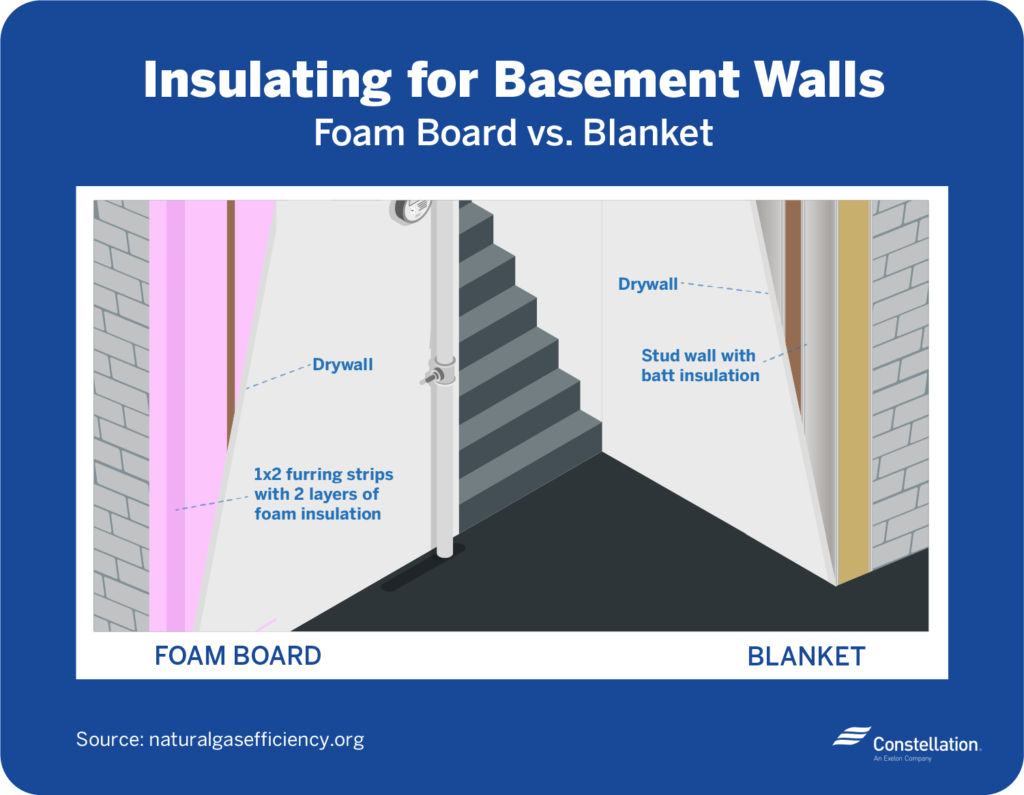
"But what kind of insulation should I use?" you ask, eyes wide with possibility. Good question! For basement walls, you're generally looking at:
- Rigid foam boards (XPS or EPS): These are like the unsung heroes – easy to cut, resist moisture, and offer decent R-value per inch. You might see 2-4 inches of this stuff.
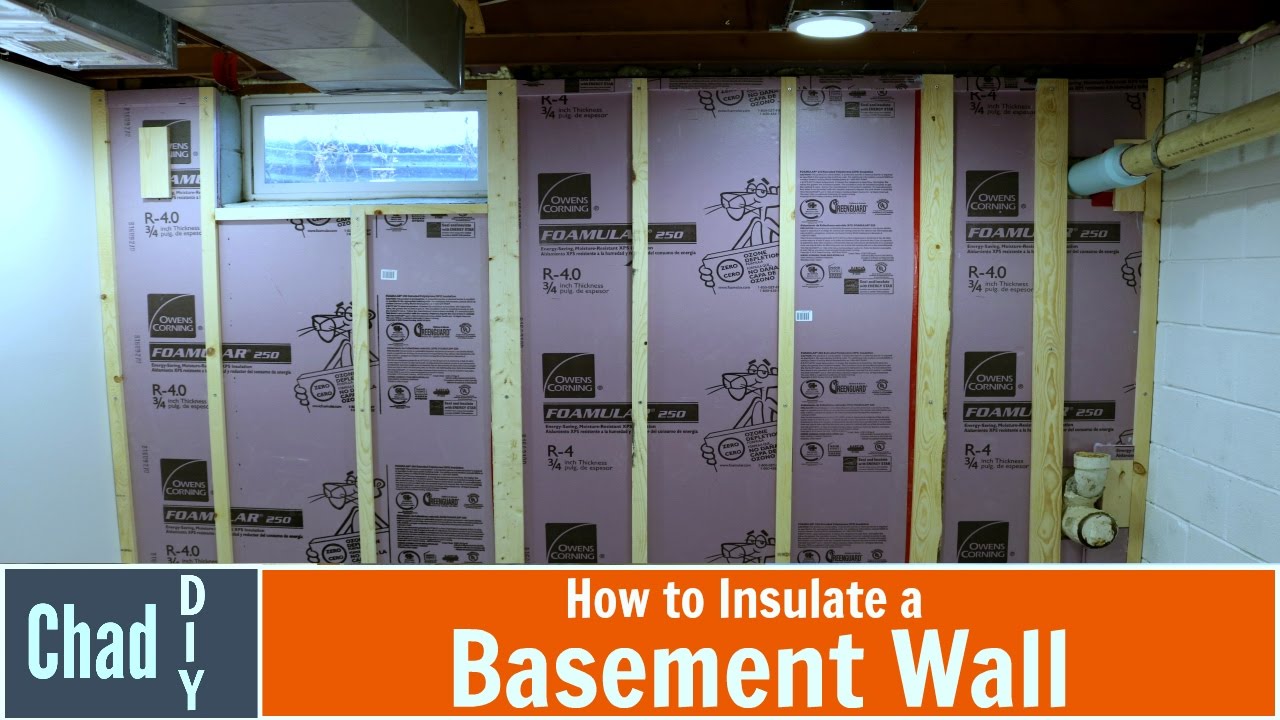
- Mineral wool batts: Fire-resistant, water-repellent, and surprisingly dense. Great if you're building a framed wall in front of your concrete.
- Spray foam: The Rolls-Royce option. It expands to fill every nook and cranny, creating an airtight, high R-value seal. But be warned, it comes with a Rolls-Royce price tag!
Don't Forget the Rim Joist: The Basement's Unsung Hero!
Okay, imagine your house is a giant shoebox. The rim joist is that tiny, often overlooked strip where the foundation meets the first floor framing. It's like the Achilles' heel of your home's thermal envelope – a skinny, highly vulnerable spot where drafts and heat loss absolutely love to party. Insulating the rim joist is often considered one of the most effective and bang-for-your-buck insulation projects you can do in a basement.
For this crucial area, we're talking about a similar R-value to your walls, if not a little higher, because it's such a leakage hotspot. Often, a combination of rigid foam cut to fit, sealed with spray foam (the canned variety, not the pro stuff, usually), or mineral wool, can work wonders. Seriously, don't skimp here. It's like putting a tiny little hat on your house that stops all the heat from escaping through its ears.
Other Spots: Floor and Ceiling (Maybe)
If your basement has a concrete slab floor, insulating underneath it (before pouring) is ideal. But if you're retrofitting, it's usually less critical than the walls. However, if you're building a finished floor, adding some rigid foam or an insulated subfloor system can definitely make those feet happier.
Insulating the ceiling? That's more about soundproofing between floors than thermal efficiency, unless your basement is unconditioned and you're trying to keep the cold from creeping upstairs. But for a conditioned, finished basement, your focus should be on keeping the heat in the basement, not sending it upwards!
The Surprising Fact (That Could Save Your Bacon... Or Prevent Mold)
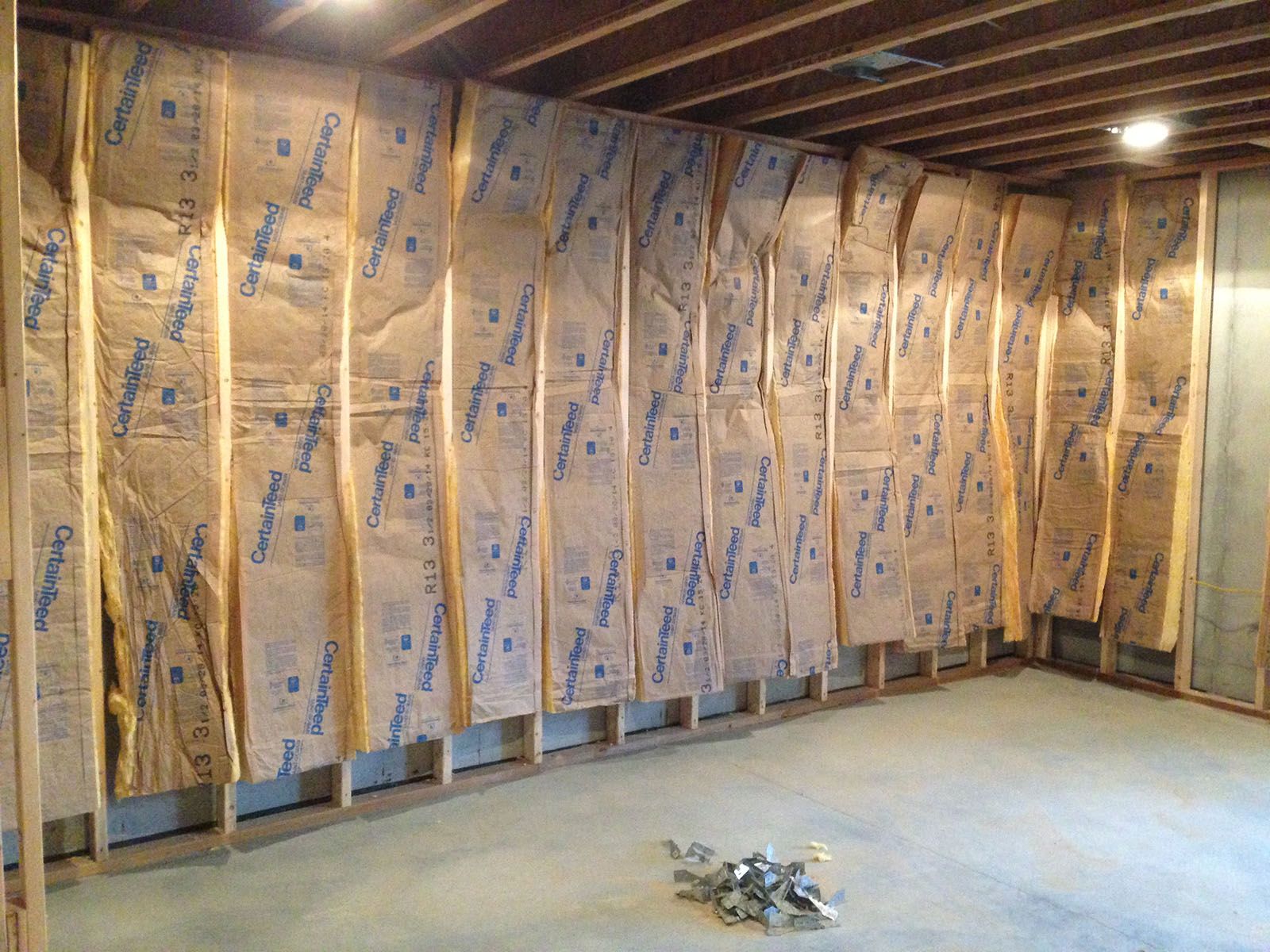
Here's a fun one: Vapor barriers! These plastic sheets are designed to stop moisture. But putting them on the wrong side can actually trap moisture and lead to mold growth. In most basement applications, especially with interior insulation, the rigid foam itself acts as a vapor retarder, or you might rely on vapor-permeable insulation. The general rule of thumb for cold climates is: the vapor barrier goes on the warm side of the insulation. But for basements, especially below grade, it gets tricky. It's often best to let the wall breathe a bit towards the inside. When in doubt, consult a local pro! They know the specific code and moisture dynamics for your region better than a random article (even a hilarious one like this).
The Bottom Line: Don't Be a Hero, But Do Be Smart
So, "how much" to insulate your basement? The quick and dirty answer is: at least to code for your climate zone, but strongly consider going above code for maximum comfort and energy savings. Focus on the walls and, for the love of all that is warm and cozy, do not forget the rim joist!
Your future self (and your wallet, and your perfectly un-frozen toes) will thank you. Now go forth and conquer that cold dungeon, turning it into the warm, inviting space it was always meant to be. Just try not to get insulation in your hair; it's a nightmare to get out!