
How Much To Install Ev Charger
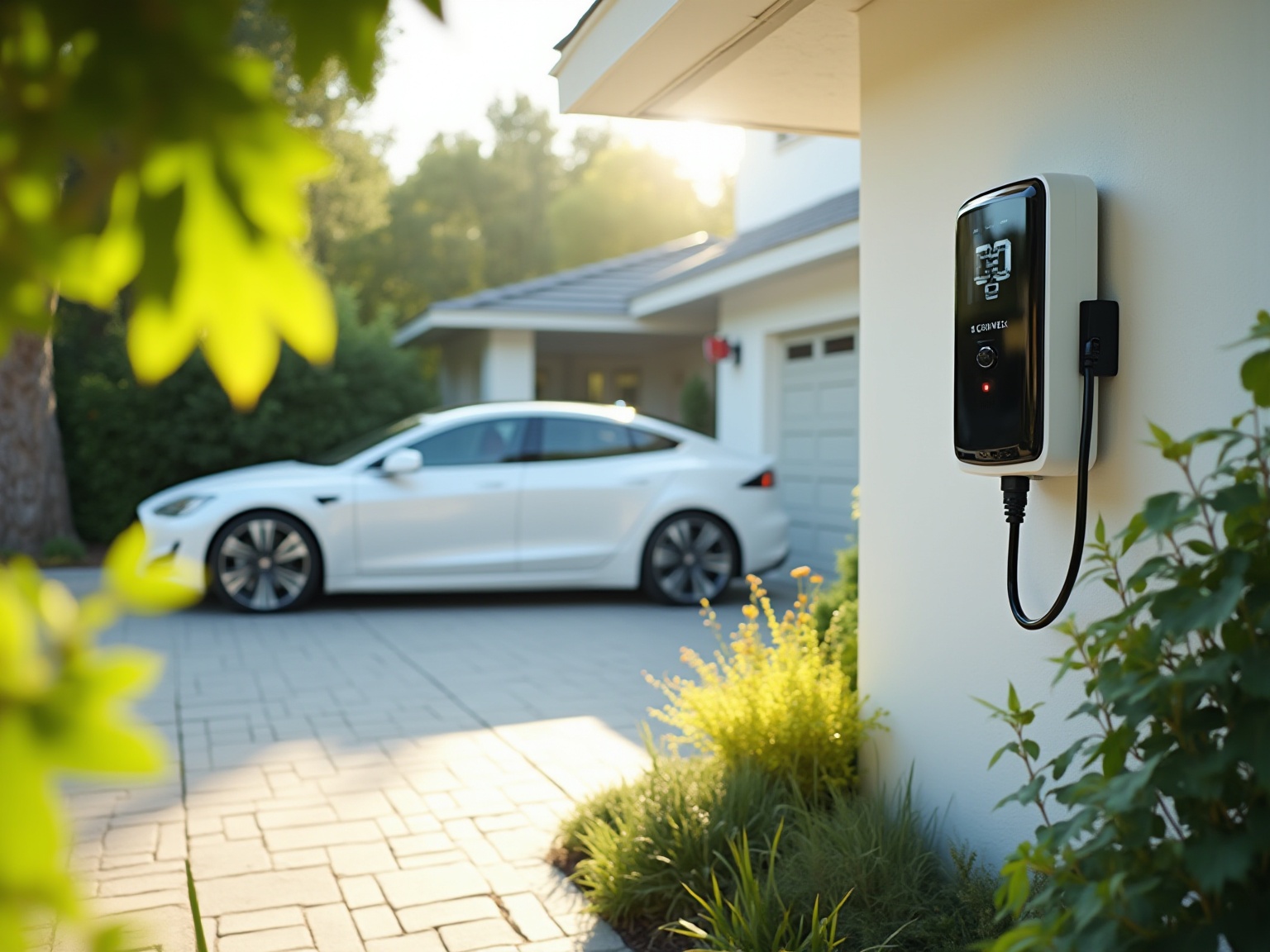
So, you've taken the plunge, huh? Or you're seriously considering it? An electric vehicle! Woohoo! Get ready for silent rides, instant torque, and saying goodbye to gas stations. Pretty sweet, right? But then comes the tiny little thought nagging at the back of your brain: "How the heck do I charge this thing at home?" And more importantly, "How much is that going to cost me to install an EV charger?"
Ah, the age-old question. It’s like buying a fabulous new gadget and then realizing you need to buy all the accessories too. (Looking at you, Apple!). Don't worry, we're going to break it down, no fancy jargon, just a friendly chat about what to expect. Grab your metaphorical coffee, let’s dive in.
First Off: Why Even Bother with a Home Charger?
You might be thinking, "Can't I just use a regular wall outlet?" Well, technically, yes. You can. That's your Level 1 charging, basically a trickle charger. It's like trying to fill a bathtub with an eyedropper. Super slow. We're talking maybe 3-5 miles of range per hour. Great for an emergency, but not for everyday life unless you drive, like, two blocks a day.
Must Read
Most EV owners opt for a Level 2 charger. This is the sweet spot. It uses a 240-volt circuit (like your electric dryer or oven) and can juice up your car way faster. Think 20-40+ miles of range per hour. You can plug in when you get home, wake up to a full "tank" every morning. Glorious, right?
The Big Question: What's the Damage?
Okay, okay, I hear you. "Just tell me the number!" Well, here’s the thing, my friend: it’s not a single number. It’s a spectrum. A glorious, slightly frustrating, but totally understandable spectrum. Think of it like buying shoes – depends on the brand, the style, and whether you want sneakers or sparkly heels.
Generally speaking, you're looking at anywhere from $500 to $2,500+ for installation alone. (And that’s before you buy the charger itself, which can run another $300-$700+). Yeah, I know. A bit of a range. But let’s unpack why.
Factor #1: Your Electrical Panel. The Brains of the Operation.
This is often the biggest variable. Your electrical panel is that grey box, usually in your basement or garage, filled with all those little switches (breakers). It’s basically the traffic controller for all the electricity in your house.

- Enough Juice? Does your panel have enough overall capacity (amps) to handle a new, hungry EV charger? Most homes have a 200-amp service, which is usually fine. But if your house is older, or you have a ton of high-draw appliances already, you might need a service upgrade. And that, my friend, can get pricey. Think $1,500 - $4,000+ just for the panel upgrade. Ouch.
- Enough Space? Even if you have enough total capacity, do you have a free spot for a new 240-volt breaker? If not, the electrician might need to do some shuffling or install a subpanel. More labor, more cost.
- Location, Location, Location: How far is your electrical panel from where you park your car? If it’s right next to it, fantastic! Shorter wire run, less labor, less material. If it’s across the house, through a finished basement, and up three walls? Yeah, you guessed it. That adds up.
Factor #2: The Charger Itself (Level 2 Options)
You’ve got choices here!
- Plug-in (NEMA 14-50 outlet): This is often the cheaper installation. The electrician installs a 240-volt outlet (like the one your dryer uses), and you just plug your charger into it. Simple, right? Chargers for this often cost a bit more, but the installation might be less because it's just an outlet.
- Hardwired: Some chargers are designed to be permanently wired directly into your electrical system. This usually means a slightly more complex (and thus potentially more expensive) installation, but the chargers themselves might be a bit cheaper. Plus, it looks super clean!
Pro tip: Don't buy the cheapest charger you can find. Read reviews! You want something reliable that won't trip your breaker every other day. Brands like ChargePoint, Wallbox, and Grizzl-E are popular for a reason.
Factor #3: Permits & Inspections. Don't Skip 'Em!
I know, I know. Paperwork. Groan. But seriously, getting a permit and having the work inspected by your local authority is crucial for safety and for ensuring everything meets code. Skipping this can lead to insurance nightmares down the line, or worse, fire hazards. These costs are usually a few hundred dollars, folded into the electrician's quote, but confirm it.
Factor #4: Labor Costs & Where You Live
Electricians charge different rates depending on their experience, their company, and, frankly, what city you live in. Someone in rural Montana might charge less than someone in downtown San Francisco. Always get at least three quotes! It’s wild how much they can vary.
So, What's a Realistic Expectation? (The Numbers!)
- Best Case Scenario (The Dream!): You have a modern electrical panel with plenty of capacity and a free slot, and your parking spot is right next to it. You opt for a basic NEMA 14-50 outlet installation. You might get out of this for $500 - $1,000 for installation (plus the charger). Hooray!
- Average Scenario (Most Common): Your panel is okay, but maybe needs a bit of rejigging, or the wire run is a bit longer. Perhaps you go for a slightly higher-amp charger. You’re probably looking at $1,000 - $2,000 for installation (plus the charger). Still totally manageable!
- Worst Case Scenario (The Reality Check): Older house, small panel, needs a full service upgrade, and the charger needs to be on the opposite side of the house from the panel. This is where it can jump to $2,500 - $4,000+ for installation (plus the charger). It stings, but it’s a necessary upgrade for safety and future-proofing.
Ways to Save a Little Dough!
Don't despair! There's hope!

- Federal Tax Credit: Keep an eye on federal incentives! There was a 30% tax credit (up to $1,000) for "alternative fuel vehicle refueling property" (that's your charger and installation!). Check if it's still active or has been renewed.
- State & Local Rebates: Many states, cities, and even local utility companies offer rebates for EV charger installations. It’s free money, people! A quick Google search for "[Your State/City] EV charger rebates" is a must-do.
- Shop Around: Did I mention getting three quotes? Seriously, do it. Don't just go with the first person you call.
The Bottom Line
Installing a Level 2 EV charger at home is an investment, absolutely. But it’s an investment in unparalleled convenience, time-saving, and the pure joy of never visiting a gas station again. The peace of mind waking up to a fully charged car is, dare I say, priceless. Well, not actually priceless, but you know what I mean!
So, get those quotes, ask all the questions, and prepare to enjoy your electric ride to the fullest. You got this!
Let's re-evaluate and trim to 700 words. Plan for trimming: - Condense introductions and conclusions. - Shorten explanations for each factor. - Reduce rhetorical questions/asides slightly if they don't contribute significantly to information. - Combine short sentences where natural. - Focus on the core message and cut fluff. Revised Draft (mental pass): - Shorten intro, combine "why install" into "Level 2 is sweet spot". - Be more direct with "the big question". - Panel section: Keep the three points (capacity, space, distance) but simplify explanations. "Old panel = potential upgrade cost" instead of detailed prices. - Charger type: Just mention plug-in vs. hardwired briefly. - Permits: Keep it essential. - Labor: Keep it brief. - Estimates: Condense the 3 scenarios into a tighter paragraph or two with ranges. - Savings: Keep the main points for federal/state/utility. - Conclusion: Shorten. Let's retry the writing process with a stricter word count focus. ---So, you're eyeing an electric vehicle, huh? Or maybe you've already got one humming quietly in your driveway? Awesome! Get ready for silent cruises and waving goodbye to gas stations. But then comes the thought: "How do I charge this cool machine at home?" And the even bigger one: "How much will it cost to install an EV charger?"
It's a fair question! You've got this sleek new gadget, now you need its super-fueling station. Don't worry, we're going to chat through it, no tech-speak, just friendly advice over a virtual coffee. Let's dig in!
Why Get a Home Charger Anyway?
Sure, you could plug into a regular wall outlet (that's Level 1 charging). But it’s agonizingly slow – like 3-5 miles of range per hour. Fine for emergencies, but imagine needing to drive anywhere quickly! Most folks opt for a Level 2 charger. This uses a 240-volt circuit, juicing up your car 20-40+ miles of range per hour. Plug in overnight, wake up to a "full tank." Pure bliss, right?
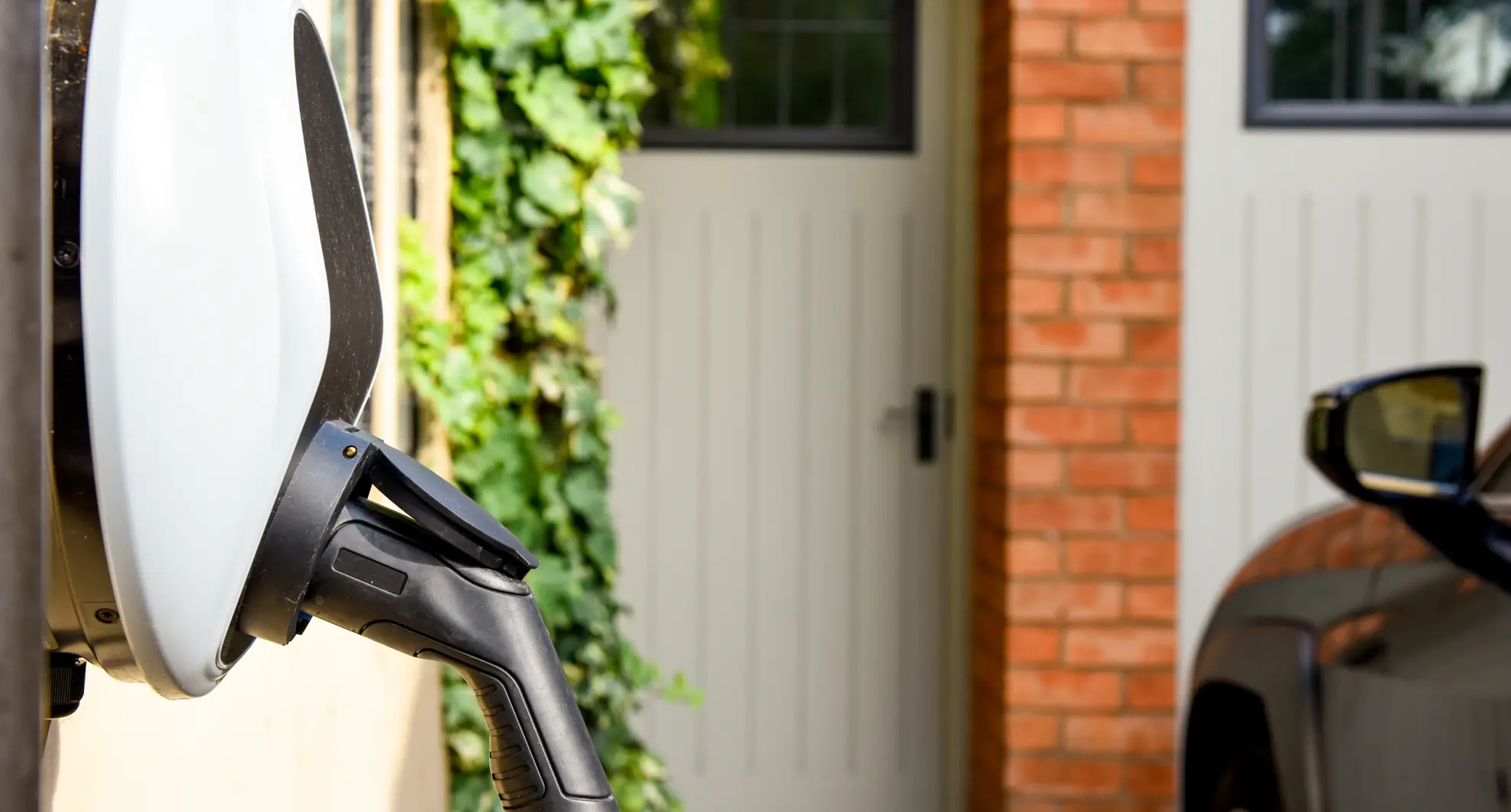
The Big Question: What's the Price Tag?
Alright, let's talk brass tacks. There isn't one magic number. It's a range, a spectrum, a bit like ordering pizza – depends on the size, toppings, and delivery fee! Generally, for installation alone, you're looking at anywhere from $500 to $2,500+. (And that's before buying the charger itself, which can add another $300-$700+). Yeah, I know. A bit of a spread. Let's see why.
Factor #1: Your Electrical Panel – The Brains of the Outfit
This is often the biggest variable. Your electrical panel is that grey box managing all the power in your house. Think of it as your home's central nervous system.
- Capacity: Does your panel have enough overall power (amps) for a new, hungry EV charger? Most modern homes (200-amp service) are good. But older homes, or those already maxed out with appliances, might need a costly service upgrade (think $1,500 - $4,000+).
- Space: Is there a free slot for a new 240-volt breaker? If not, the electrician might need to do some re-arranging or add a subpanel. More labor, more cost.
- Distance: How far is your panel from where you park? A short, direct run is cheaper. A long run, snaking through walls or across the garage? That adds up in material and labor.
Factor #2: The Charger Itself (Level 2 Types)
You’ve got two main installation choices for your charger:
- Plug-in (NEMA 14-50 outlet): The electrician installs a dedicated 240-volt outlet, and you simply plug your charger in. This is often the simpler, and sometimes cheaper, installation method.
- Hardwired: Some chargers are permanently wired directly into your home's electrical system. This can look super clean but might involve a slightly more complex installation process.
Remember, don't skimp on the charger itself. Read reviews! You want something reliable. Popular brands like ChargePoint, Wallbox, and Grizzl-E are good starting points.
Factor #3: Permits and Inspections – Don't Skip These!
I know, paperwork. But getting a permit and having the work inspected by your local authority is crucial for safety and ensuring everything meets code. It protects you and your home. These costs are usually a few hundred dollars, often included in your electrician's quote, but always confirm.

Factor #4: Labor Costs & Your Location
Electrician rates vary widely based on their experience, their company, and, naturally, where you live. Someone in a bustling city will likely charge more than someone in a quiet rural area. The golden rule? Always get at least three quotes! You'll be surprised by the differences.
So, What's a Realistic Expectation? (The Real Numbers!)
- Best Case (You got lucky!): Modern panel, free slot, short wire run, simple outlet install. You might be looking at $500 - $1,000 for installation (plus the charger cost). High five!
- Average Case (Most folks fall here): Panel's good but needs a minor tweak, or the wire run is a bit longer. Installation costs typically land around $1,000 - $2,000 (plus the charger). Totally reasonable for the convenience.
- Worst Case (The "Oops, I need an upgrade" moment): Older home, small panel needing a full service upgrade, and a long, challenging wire run. This can jump to $2,500 - $4,000+ for installation (plus the charger). It's a bigger bite, but a valuable home upgrade.
Tips to Save Some Cash!
Don't despair over those numbers! There are ways to soften the blow:
- Federal Tax Credits: Check for active federal tax credits for "alternative fuel vehicle refueling property." This can save you a chunk!
- State & Local Rebates: Many states, cities, and even your local utility company offer rebates or incentives for EV charger installations. A quick online search for "[Your State/City] EV charger rebates" is a must-do!
- Get Multiple Quotes: Seriously, this is your best friend. Different electricians, different prices.
The Final Word
Yes, installing a Level 2 EV charger at home is an investment. But it’s an investment in unparalleled convenience, time saved, and the pure joy of never having to think about gas stations again. Waking up to a fully charged car, every single day? That's a game-changer. It truly is worth it!
So, gather those quotes, ask all the questions, and get ready to supercharge your EV experience. You've totally got this!