
How Much To Install A Charging Station At Home
So, you're thinking about joining the electric revolution and ditching the gas pump for the bliss of charging your car in your pajamas? Awesome! But before you start picturing yourself sipping coffee while your EV drinks up electrons, let's talk about the nitty-gritty: how much it costs to install a charging station at home.
Think of it like this: you’re building a miniature gas station…except way cooler and without the lingering smell of stale hotdogs.
The Big Picture: Breaking Down the Costs
Alright, let's break down the expenses like a kid tearing into a piñata. We've got a few key ingredients in this electric car charging recipe.
Must Read
The Charging Station Itself
First, you need the star of the show: the charging station, also lovingly known as an EVSE (Electric Vehicle Supply Equipment). Don't let the fancy name intimidate you. It's basically just a souped-up outlet specifically designed for your electric chariot.
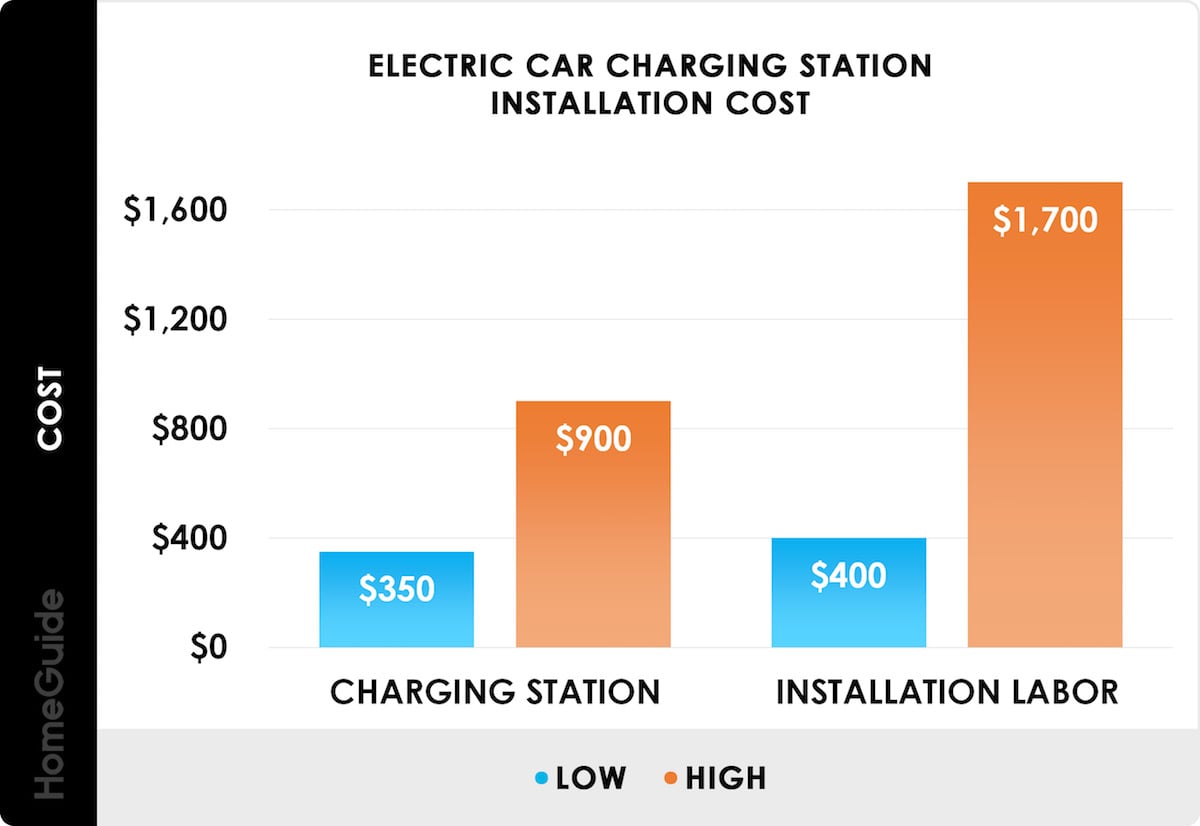
The price range here is wider than the Grand Canyon. You can find basic Level 2 chargers (more on levels later!) for around $400, but some fancier models with all the bells and whistles can set you back over $1,000. Think of it as the difference between a no-frills coffee maker and a barista-approved espresso machine. Both make coffee, but one does it with extra flair (and maybe a built-in milk frother).
The charger itself is a significant chunk of the cost.
Installation, Installation, Installation!
This is where things can get a little…variable. Installing a charging station isn't usually a DIY project, unless you're a licensed electrician and enjoy living life on the edge. (Please don't live life on the edge when dealing with electricity!).
Hiring a qualified electrician is crucial. Their expertise ensures everything is wired correctly and safely. We're talking preventing your house from becoming a giant, expensive paperweight.
The installation cost depends on several factors. How far is your electrical panel from where you want the charger? Does your panel need an upgrade to handle the extra load? Are we talking simple garage install or threading wires through walls and ceilings? These are the questions that will make your electrician hum and haw and eventually spit out a number.

Generally, expect to pay anywhere from $500 to $2,000 for installation. This can swing higher if your home’s electrical system needs significant upgrades.
Permits and Inspections: The Bureaucracy Tax
Ah, permits. The joy of dealing with local government! In many areas, you'll need a permit to install a charging station. This is to ensure everything meets safety codes and regulations.
The cost of permits varies depending on your location. It's usually a relatively small fee, maybe $50 to $200. Think of it as paying your dues to the Electric Vehicle Gods.
Inspections are also often required. An inspector will come out to verify that the installation was done correctly. It's like a report card for your electrician: hopefully, they get an "A"!
Level Up Your Charging Knowledge!
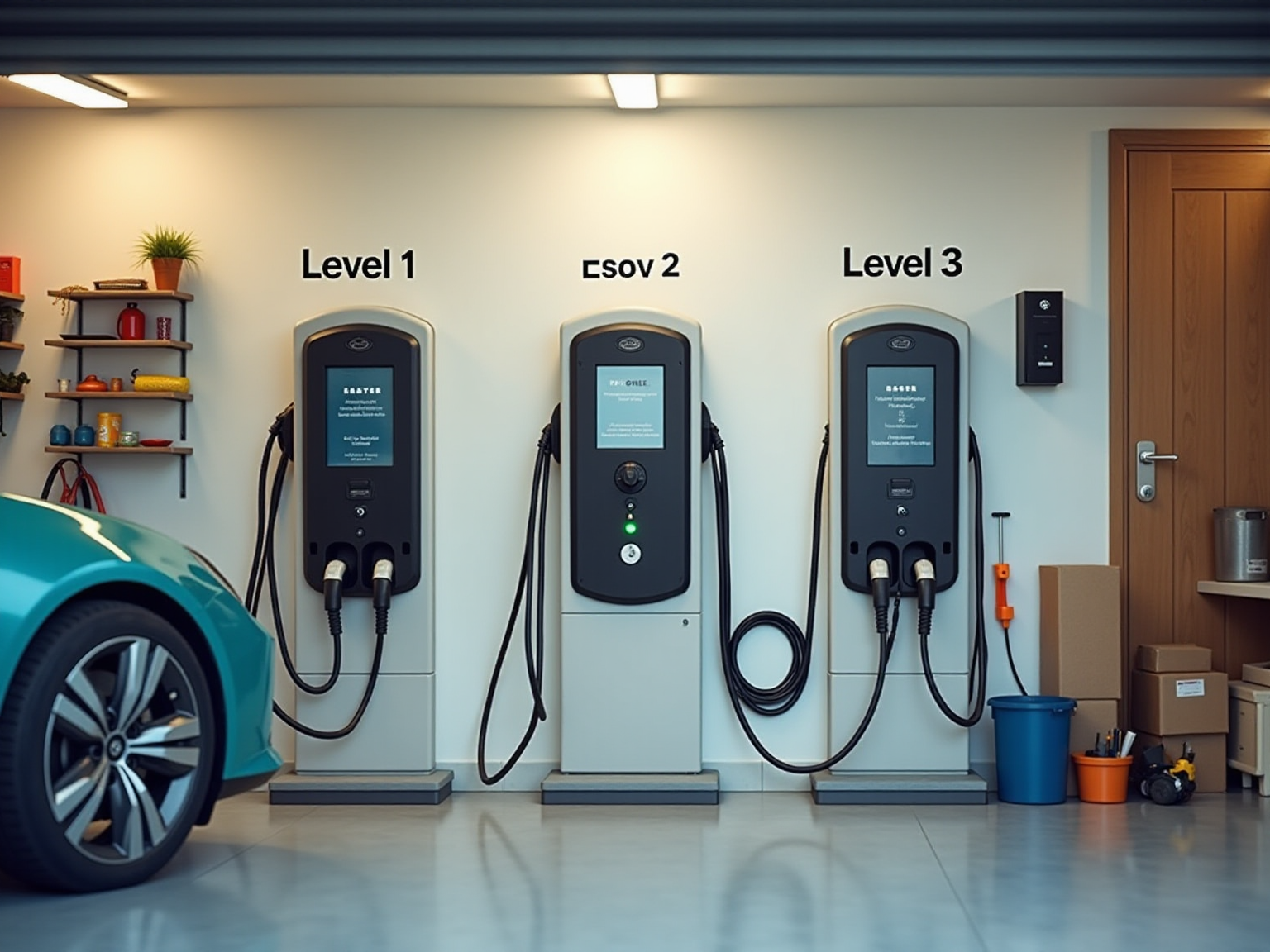
Okay, let's talk charging levels. It's not as complicated as leveling up in your favorite video game, but it's important to understand.
Level 1: The Slow Sipper
Level 1 charging is the most basic. It uses a standard 120V household outlet. It’s like trying to fill a swimming pool with a garden hose – slow, but it gets the job done eventually.

Most EVs come with a Level 1 charging cable. This is a good option for topping off your battery overnight, but it's not ideal for quickly charging a completely depleted battery.
Cost? Virtually nothing! You're already paying for the electricity anyway.
Level 2: The Sweet Spot
Level 2 charging is the Goldilocks option. It's faster than Level 1 but doesn't require the expensive infrastructure of Level 3. This uses a 240V outlet, similar to what your dryer or oven uses.
This is the most common type of home charging station. It can add about 20-30 miles of range per hour of charging. Perfect for overnight fill-ups!
This is where you'll incur the costs of the charging station and installation mentioned earlier.
Level 3 (DC Fast Charging): The Speed Demon
Level 3 charging, also known as DC Fast Charging, is like chugging an energy drink. It's super fast, but not really practical for home use. These are usually found at public charging stations and require specialized (and expensive!) equipment.
Think of it as needing a whole power plant in your backyard. Not really ideal for residential neighborhoods.
For home charging, stick with Level 2. It’s the perfect balance of speed and cost-effectiveness.
Hidden Costs and Potential Savings
Beyond the obvious expenses, there are a few other things to consider.
Electrical Panel Upgrade: If your electrical panel is old or doesn't have enough capacity, you might need to upgrade it. This can add a significant chunk to the overall cost, potentially a few hundred to a couple of thousand dollars.
Smart Chargers: These fancy chargers connect to your Wi-Fi and offer features like remote monitoring, scheduling, and energy usage tracking. They often come with a higher price tag, but they can help you save money on electricity by charging during off-peak hours.
Rebates and Incentives: Many states and utility companies offer rebates and incentives for installing home charging stations. Do your homework and see what's available in your area. This can help offset some of the costs.

“Always check for local and federal incentives before buying a charger,” says Electrify America on their website.
Is It Worth It? The Million-Dollar Question (Okay, Maybe Not a Million)
So, is installing a home charging station worth the investment? Absolutely! Think about it: no more gas station stops, waking up to a fully charged car every morning, and the smug satisfaction of knowing you're contributing to a greener future.
Plus, you'll save money on fuel in the long run. Electricity is generally cheaper than gasoline, especially with those pesky price fluctuations.
Imagine the sheer joy of never having to smell stale coffee and questionable windshield wiper fluid ever again! That’s priceless.
Final Thoughts: Embrace the Electric Future!
Installing a home charging station is an investment in your electric vehicle and your future. It might seem a little daunting at first, but with a little research and planning, you can make the process smooth and affordable.
So, go forth and electrify! Your wallet (and the planet) will thank you.
Remember to always consult with a qualified electrician.