How Much Solar To Power A House
Ever gazed up at a clear blue sky and felt that incredible warmth from the sun? There’s something undeniably powerful and awe-inspiring about that giant, fiery orb. For many of us, the idea of harnessing even a tiny fraction of that boundless energy to power our homes is not just a dream, but a rapidly growing reality! It’s like having a miniature power plant on your roof, quietly working to keep your lights on and your gadgets charged, all thanks to that glorious sunshine.
The beauty of solar power isn't just in its futuristic appeal; it serves some profoundly practical purposes in our everyday lives. Firstly, it offers a tangible path to energy independence. Imagine being less beholden to fluctuating utility rates and the sometimes frustrating whims of the grid. Secondly, and for many, most compellingly, it's a fantastic way to save money. After the initial investment, your electricity bill can plummet, sometimes even to zero, or even earn you credits if you produce more power than you consume! Beyond your wallet, solar also plays a crucial role in combating climate change by producing clean, renewable energy and reducing our reliance on fossil fuels.
So, how much solar do you actually need to power your entire house? This isn't a one-size-fits-all answer, because every home is as unique as its occupants. Think of it like this: if you’re a minimalist who only uses a few lightbulbs, you’ll need far less than someone running a server farm, an electric vehicle charger, and an Olympic-sized heated pool! The most crucial factor is your home's energy consumption, measured in kilowatt-hours (kWh). You can find this golden number on your monthly utility bill.
Must Read
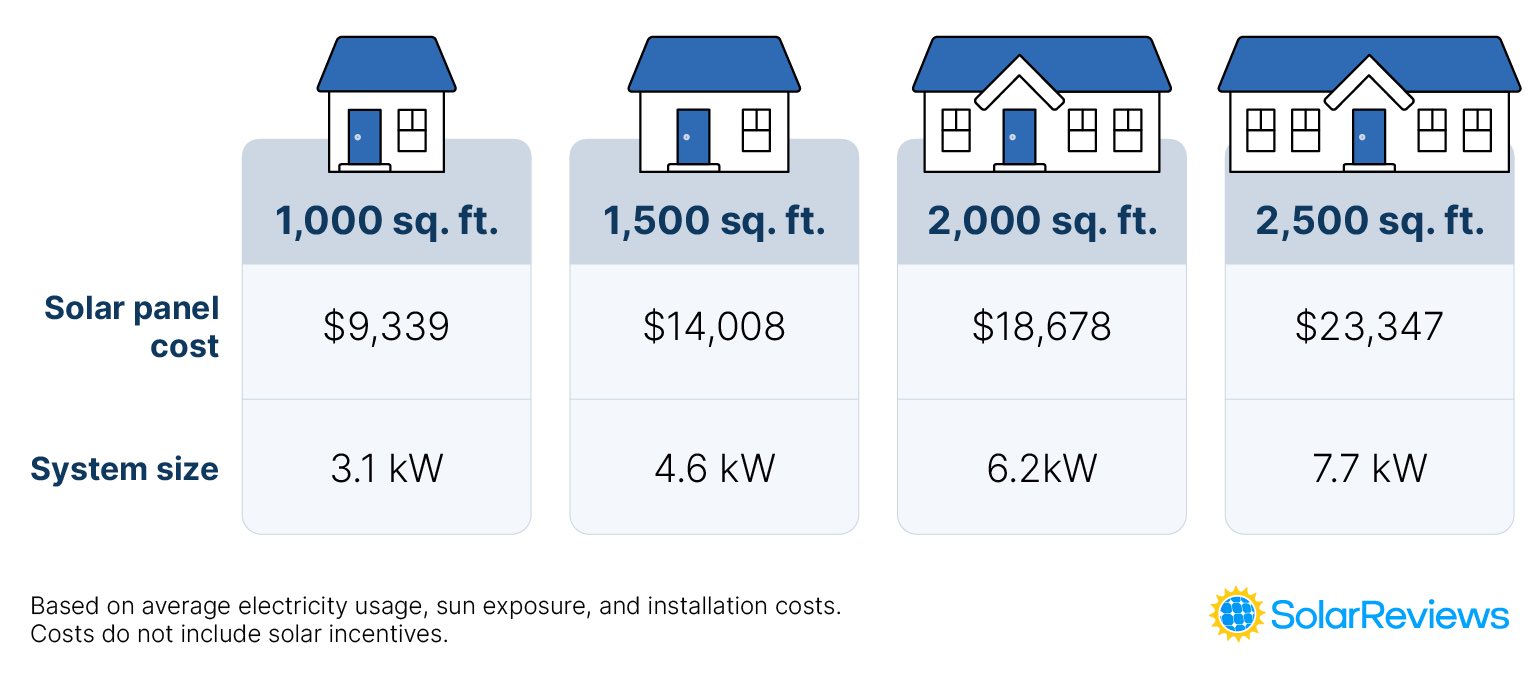
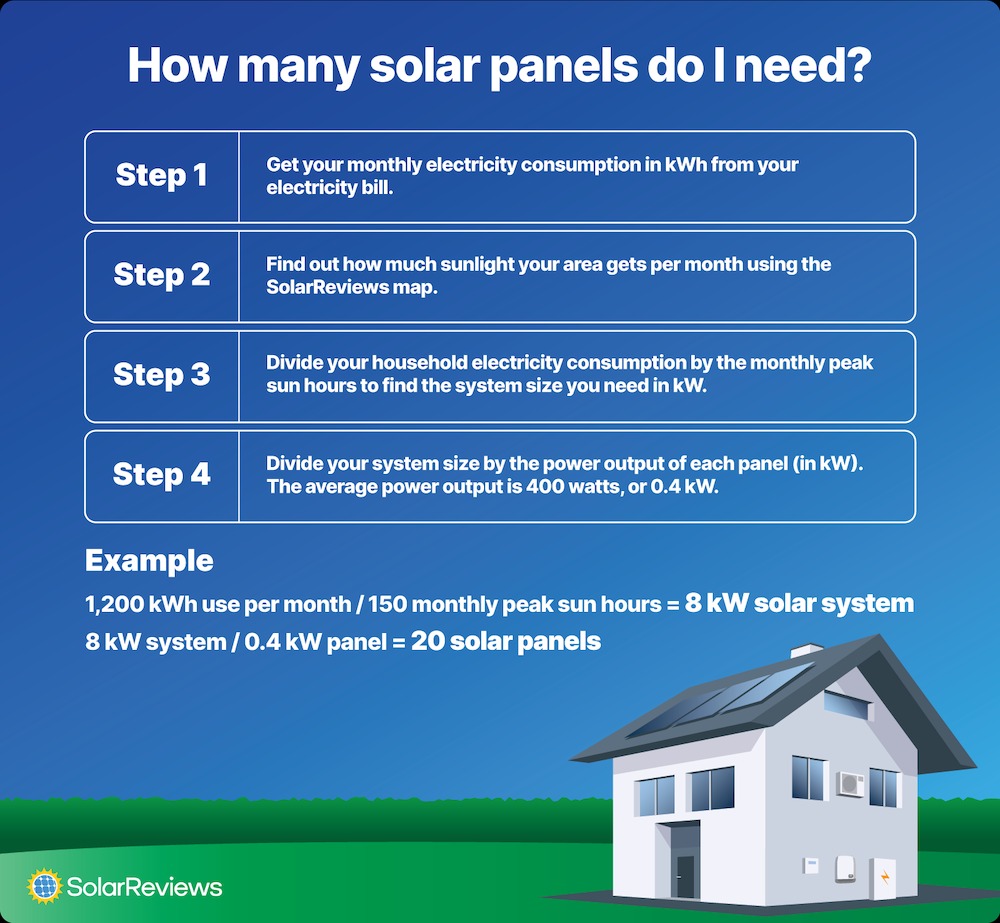
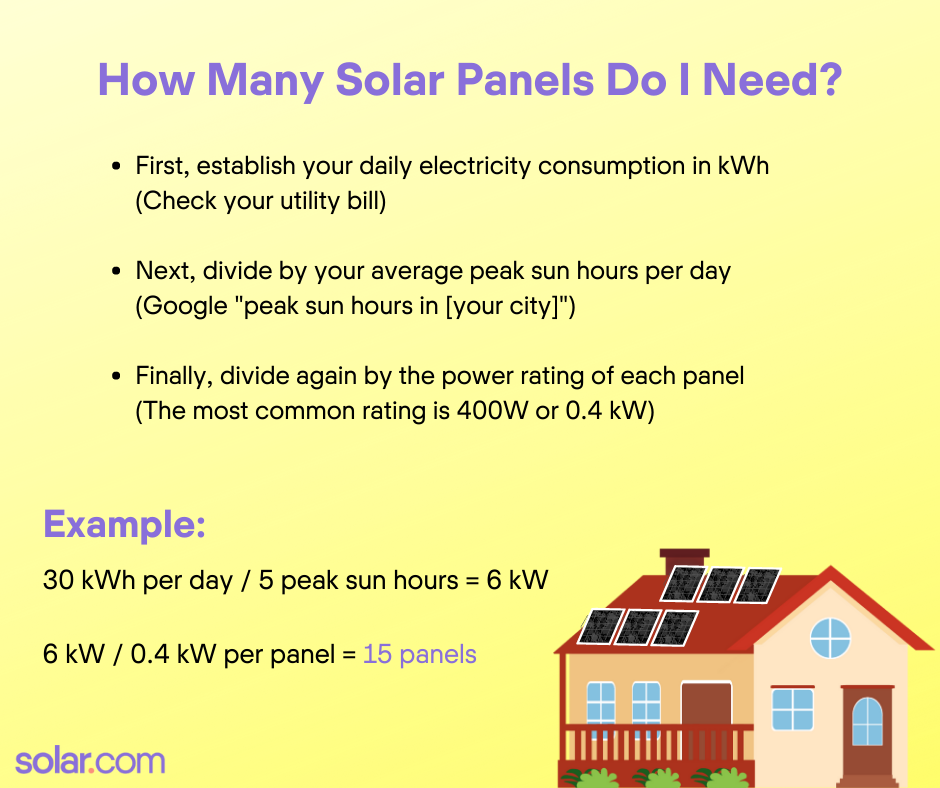
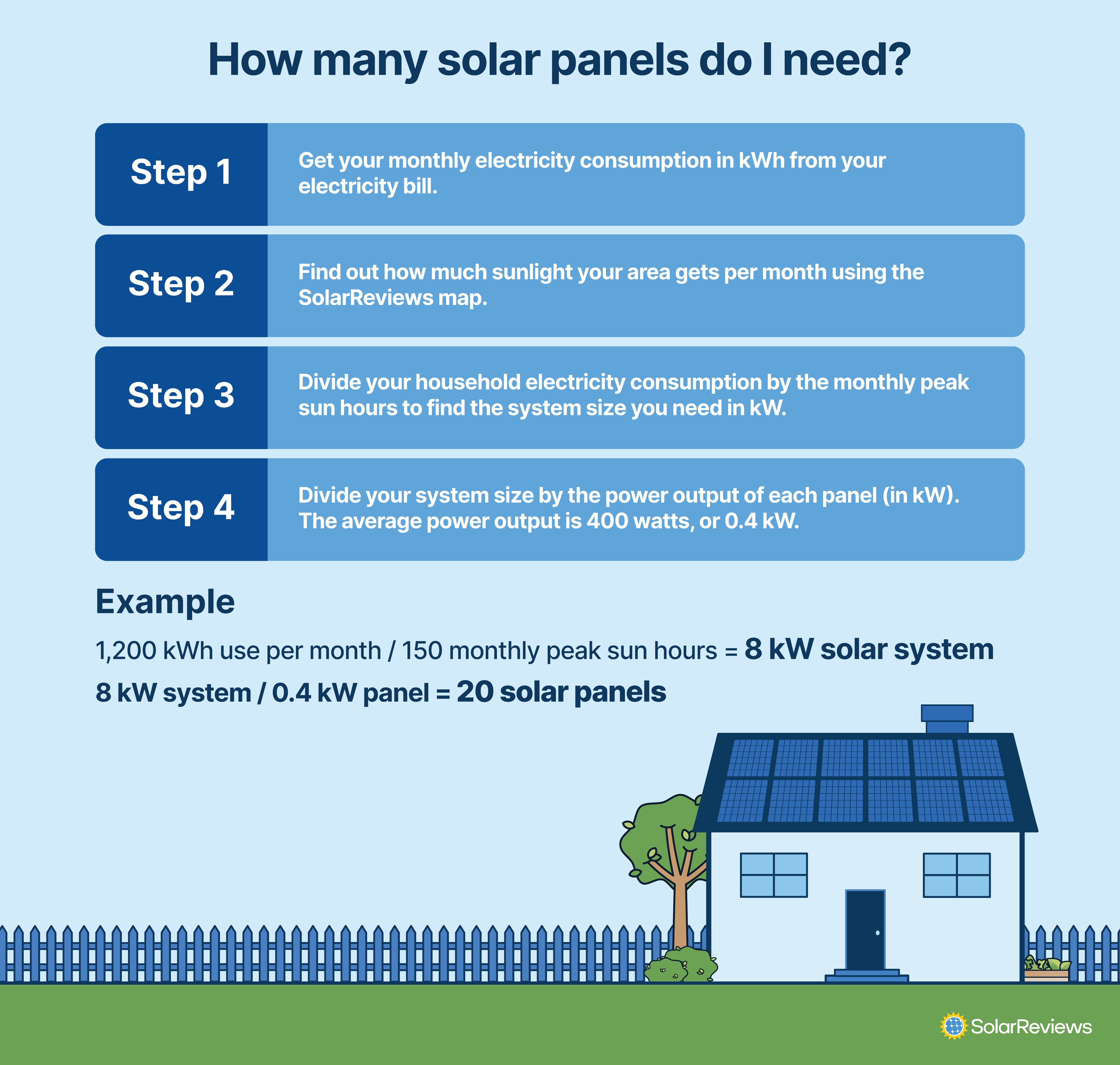
An average American home uses around 10,000 to 12,000 kWh per year. To offset this, you'd typically need a system producing 8 to 12 kilowatts (kW) of power. Given that most modern solar panels produce about 300-400 watts each, we're talking roughly 20 to 30 solar panels to cover that average consumption. But it’s not just about consumption; your location's sunlight hours (hello, sunny Arizona vs. cloudy Seattle!), roof orientation, and available space all play a part. You might also consider adding a battery storage system, allowing you to store excess daytime power for use at night or during outages, providing true energy resilience.
Ready to jump into the sunshine revolution? Here are a few practical tips to get started: First, perform an energy audit or simply review your past electricity bills. Understanding your usage is the first step to sizing your system accurately. Second, consider energy efficiency upgrades first – insulating your home or switching to LED lights can drastically reduce your power needs, meaning you'll need fewer solar panels. Third, don't just go with the first quote you get! Shop around, compare bids from multiple reputable installers, and ask lots of questions. Finally, don't forget to research local and federal incentives, like tax credits or rebates, which can significantly reduce your upfront costs. Harnessing the sun's power is an exciting and empowering journey – embrace the bright future!
![How much electricity do solar panels produce? [UK, 2024]](https://images.prismic.io/sunsave-website/ZnxEJZbWFbowe4jR_graphic-Solarpaneloutput.jpg?auto=format,compress?auto=compress,format)