
How Much Snow Can You Drive In
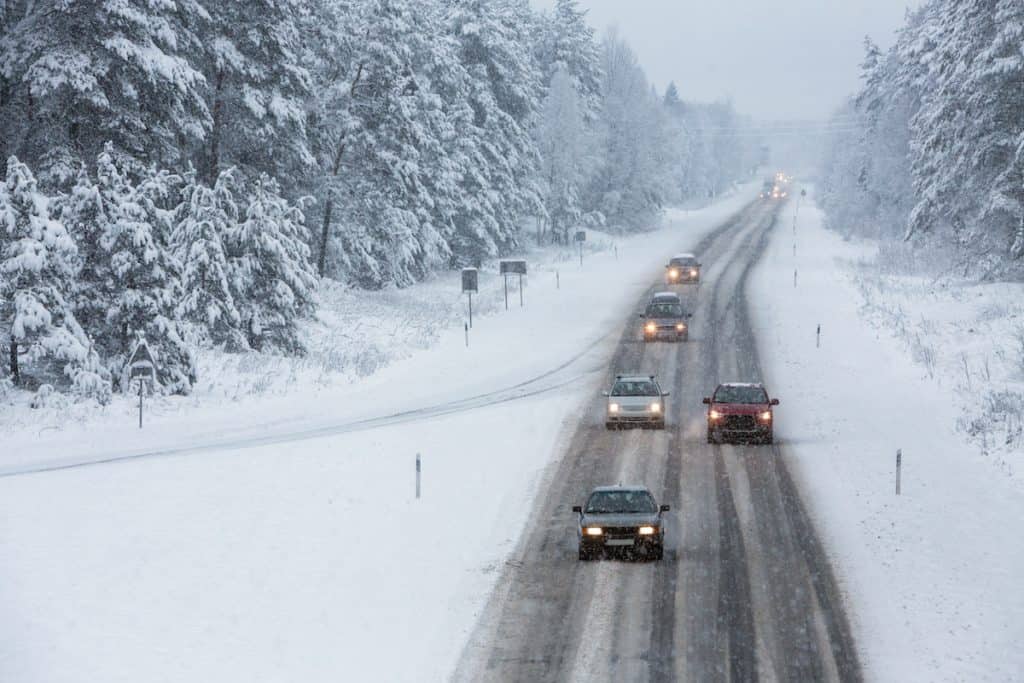
There’s a certain magic to a fresh snowfall, isn’t there? The world gets quiet, everything sparkles, and suddenly your cozy sweater game is on point. But then reality sets in: you have places to be. The burning question arises, especially for those of us not accustomed to year-round blizzards: how much snow can you actually drive in? Let’s ditch the white-knuckle worries and navigate this frosty topic with a cool head and some hot tips.
The Nitty-Gritty: How Much Snow is Too Much?
For most conventional vehicles – think your everyday sedan or crossover – the sweet spot for relatively safe driving is generally up to about 4 to 6 inches of fresh, unplowed snow. Once you start creeping past that, things get a bit dicier. The main culprit? Ground clearance. That’s the distance from the lowest part of your vehicle (usually the undercarriage or exhaust pipe) to the ground.
If the snow is deeper than your car’s ground clearance, your vehicle essentially becomes a snowplow. And unless you’re actually a snowplow, this isn't ideal. It can cause you to get stuck, damage your undercarriage, or lose crucial traction as the snow packs under your tires, lifting them off the road. An average sedan might have 5-6 inches of clearance, while an SUV or truck could boast 8-10 inches or more. That extra height is your friend when winter truly shows up.
Must Read
Beyond the Inches: Other Factors at Play
It’s not just about the depth; the type of snow makes a huge difference. Light, fluffy snow, fresh from the sky, is much easier to drive through than heavy, wet, slushy stuff. The latter is dense, offers more resistance, and can quickly turn into ice, making for a much more challenging and hazardous drive. Think of the difference between a pillow fight and a wrestling match with a wet blanket!
Temperature is also key. Snow that falls at temperatures just around freezing (32°F or 0°C) is often wetter and more prone to forming ice underneath, especially after it's been driven on and compacted. Below 20°F (-6°C), snow tends to be drier and lighter, often providing better traction – provided it’s not too deep and hasn't been allowed to drift significantly.

And let's not forget wind and road conditions. A mere two inches of snow can quickly turn into foot-deep drifts across a road on a windy day, creating unexpected obstacles. Always consider if the roads have been plowed and treated, or if you're venturing into untouched territory.
Your Secret Weapons: Gear and Tech
You can have all the ground clearance in the world, but without the right footwear for your car, you're just spinning your wheels. Winter tires are a game-changer. Their softer rubber compound stays flexible in cold temperatures, and their aggressive tread patterns are designed to bite into snow and ice. They offer significantly better grip for stopping, turning, and accelerating compared to all-season tires when temperatures drop below 45°F (7°C).

All-Wheel Drive (AWD) and Four-Wheel Drive (4WD) systems are fantastic for getting you going in slippery conditions, but remember: they help with go, not necessarily with stop. Your stopping power still depends on those tires. Modern vehicles also come equipped with traction control and Anti-lock Braking Systems (ABS), which are invaluable safety nets, helping prevent wheel spin and lock-ups, but they aren't magic wands.
Beyond vehicle tech, a simple shovel, a bag of sand or cat litter (for traction), warm blankets, and an emergency kit can be your best friends if you do get stuck. A full tank of gas is also a surprisingly practical tip for winter driving, preventing your fuel line from freezing and giving you heat if you're stranded.
Practical Wisdom for Snowy Drives
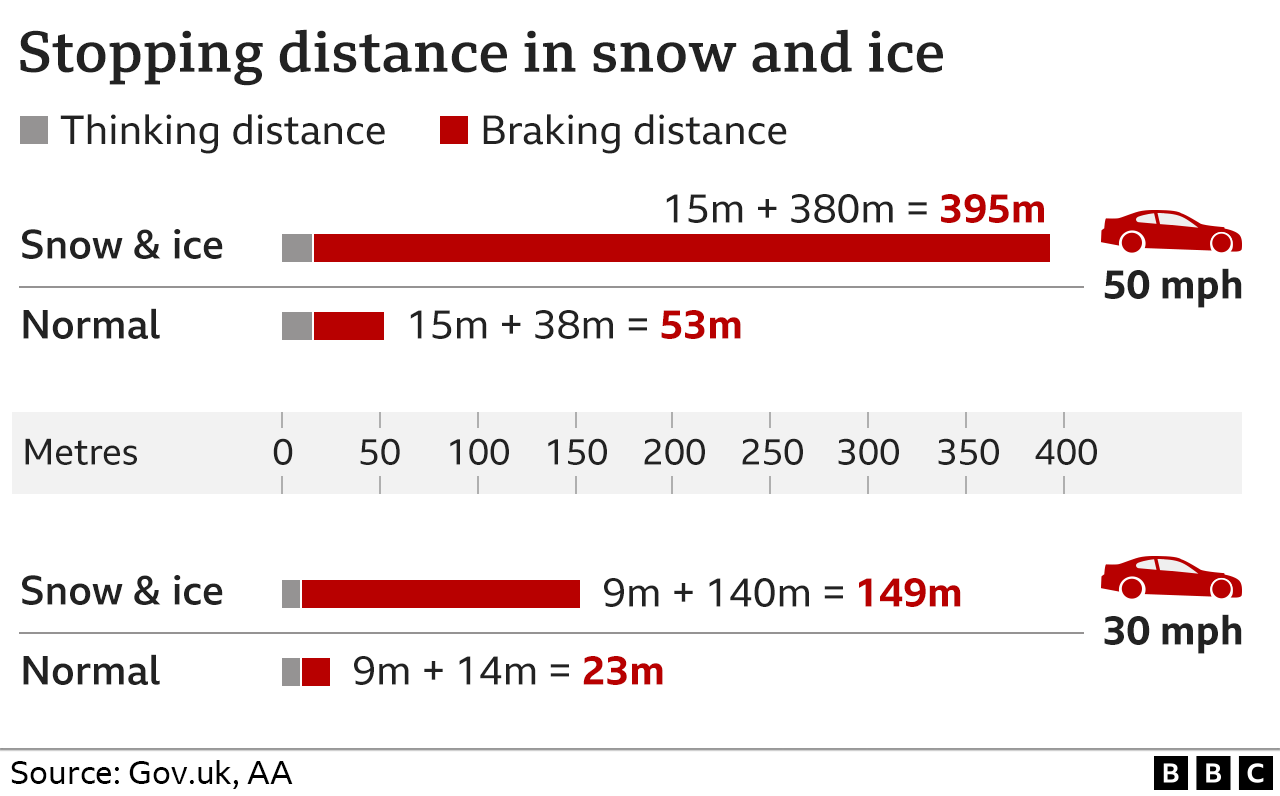
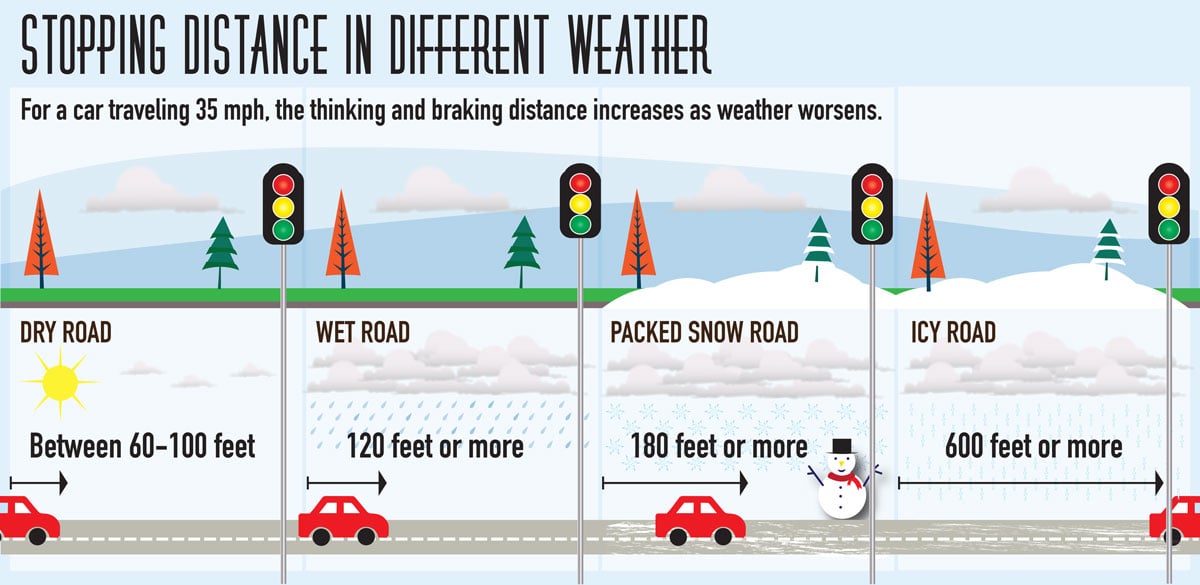
No matter your vehicle or the snow depth, the golden rules of winter driving remain constant: slow down and increase your following distance. Ice and snow dramatically increase stopping distances. Gentle inputs are key – smooth steering, soft braking, and gradual acceleration will keep your tires from losing grip. Think of it like a dance, not a wrestling match.
Also, avoid using cruise control in snowy or icy conditions. Your car might accelerate unexpectedly if it momentarily loses traction, which can be dangerous. Always check the weather forecast before you head out, and if conditions look truly dire, remember this simple mantra: When in doubt, don't go out!
Fun Facts & Cultural Nods
Did you know some snowplows have fantastic names? In Scotland, you might encounter "Gritter Garbo" or "Spready Mercury." Here in the US, Michigan sometimes names theirs things like "Clearopathra." It adds a bit of cheer to the important work they do!
And while folks in Canada and the northern US are pretty seasoned pros at navigating the white stuff, a mere dusting can shut down entire cities in the Southern US, prompting widespread "snow day" celebrations and frenzied bread and milk runs. It’s all about what you're used to!
A Winter Wonderland Reflection
Ultimately, driving in snow isn't just about inches or vehicle specs; it's about mindset. It's about preparedness, patience, and respecting the raw power of nature. It’s a gentle reminder to slow down, literally and figuratively, and to appreciate the quiet beauty that winter can bring. So, bundle up, be smart, and enjoy the unique charm of a snowy world, whether you're behind the wheel or simply admiring it from afar.