
How Much Power Does One Wind Turbine Generate
Ever stood in awe of those giant, elegant windmills spinning on a hillside, and wondered, "Just how much oomph do those things pack?" You're not alone! We see them more and more, but understanding what they actually do beyond looking cool can feel a bit mysterious. Let's demystify the power of a wind turbine, and why you should even care.
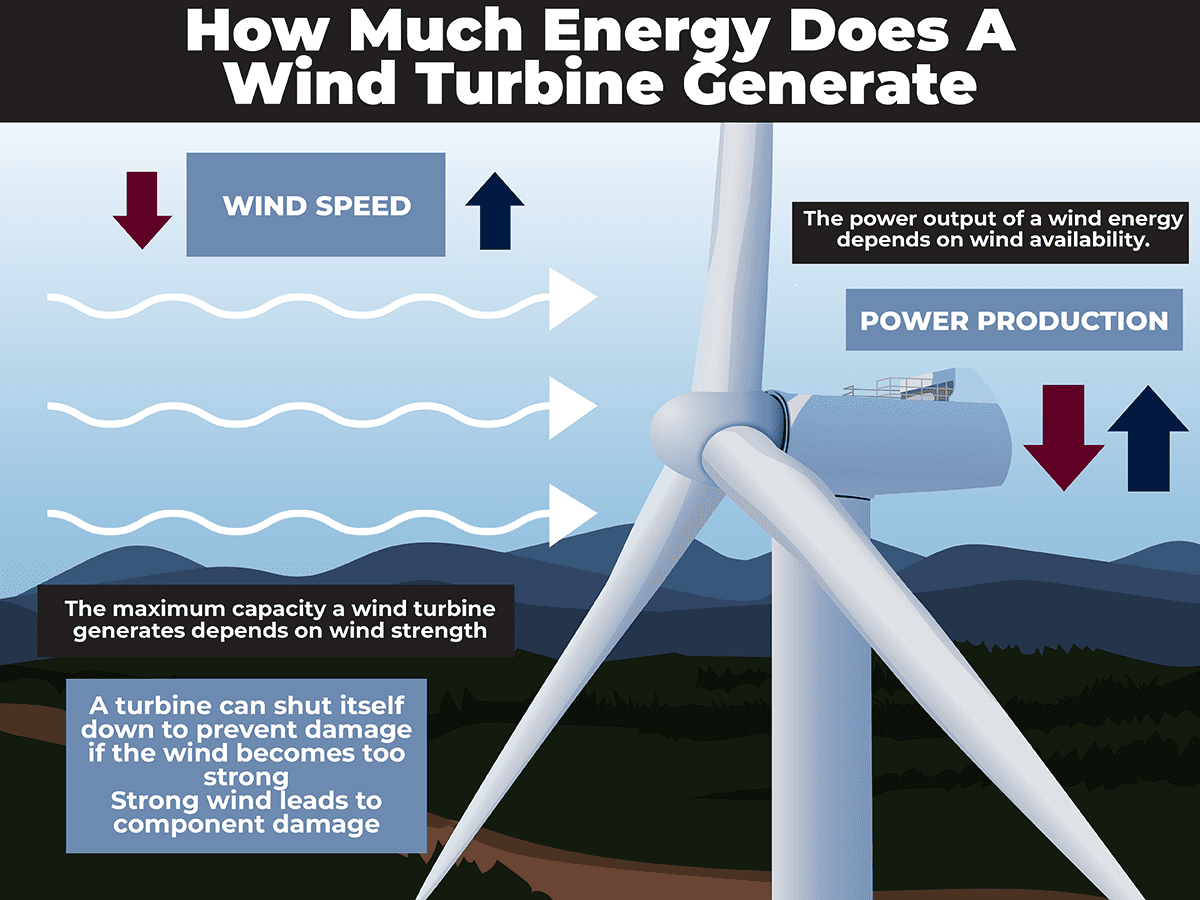
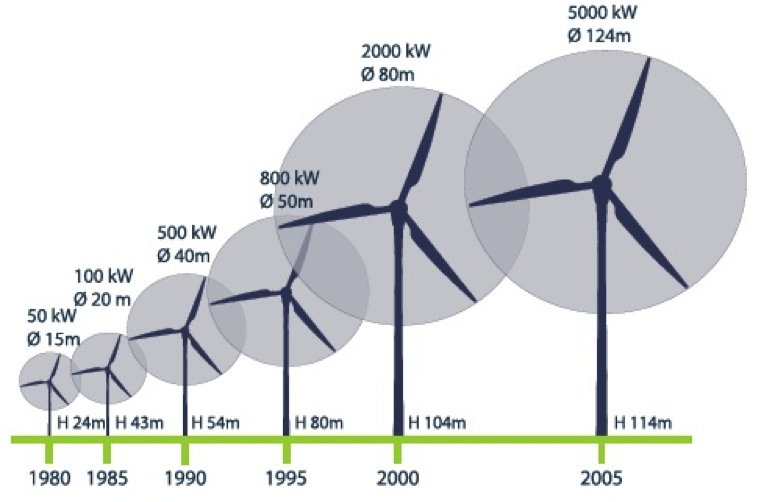
So, how much power does a single wind turbine generate? The short answer is: it depends. Like asking how much a car costs – a rusty old Beetle is a bit different from a shiny new sports car, right? Wind turbines come in all shapes and sizes, each with its own power-producing capabilities. But let's get into some specifics!
The Mighty Megawatt: A Wind Turbine's Yardstick
Wind turbine power is usually measured in megawatts (MW). One megawatt is a million watts. Think of it this way: a typical hairdryer uses around 1500 watts (1.5 kilowatts), and a lightbulb might use 60 watts. Imagine a million watts – that's a lot of hairdryer action!
Must Read
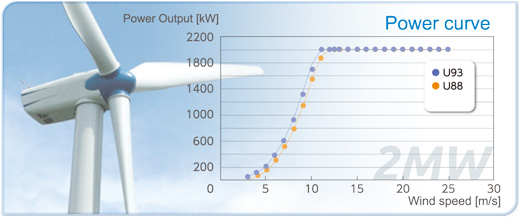
Modern wind turbines commonly range from 2 to 5 MW. Some of the really big boys out at sea can even reach 8 MW or more! But what does that translate to in everyday terms?
Let's say we have a 3 MW wind turbine. Under ideal wind conditions (which, admittedly, don't happen all the time!), it could potentially generate 3 megawatt-hours (MWh) of electricity in an hour. A megawatt-hour is simply the amount of energy generated by one megawatt in one hour. This is enough to power, on average, between 400 and 900 US homes for that same hour.
See? Suddenly, those majestic windmills seem even more impressive!
More Than Just Numbers: It's About Sustainability!
Okay, so a single turbine can power hundreds of homes. That's great, but why should you care? Well, electricity generated by wind turbines is clean energy. Unlike fossil fuels, wind doesn't produce harmful greenhouse gasses that contribute to climate change. When we use more wind power, we rely less on those polluting sources.

Imagine you're baking cookies. You could use a really old, inefficient oven that belches smoke and makes the kitchen unbearably hot, or you could use a modern, energy-efficient oven that gets the job done with less waste and less fuss. Wind turbines are like that modern oven – a cleaner, more sustainable way to "bake" our electricity!
And it's not just about saving the planet (although that's a pretty big deal!). Wind energy can also create jobs in manufacturing, installation, and maintenance. It can bring economic benefits to rural communities where wind farms are often located. Everyone wins!
Location, Location, Location: Wind's Secret Sauce
Of course, a wind turbine's output depends heavily on the wind itself. A turbine sitting in a calm valley isn't going to produce nearly as much power as one perched on a windy mountaintop. That's why wind farms are carefully sited in areas with consistently strong winds. These are often places where the wind howls and you wouldn't want to have a picnic on a regular basis!
Think of it like trying to fly a kite. You need a decent breeze to get it soaring, right? A wind turbine is essentially a giant kite that captures the wind's energy and turns it into electricity.
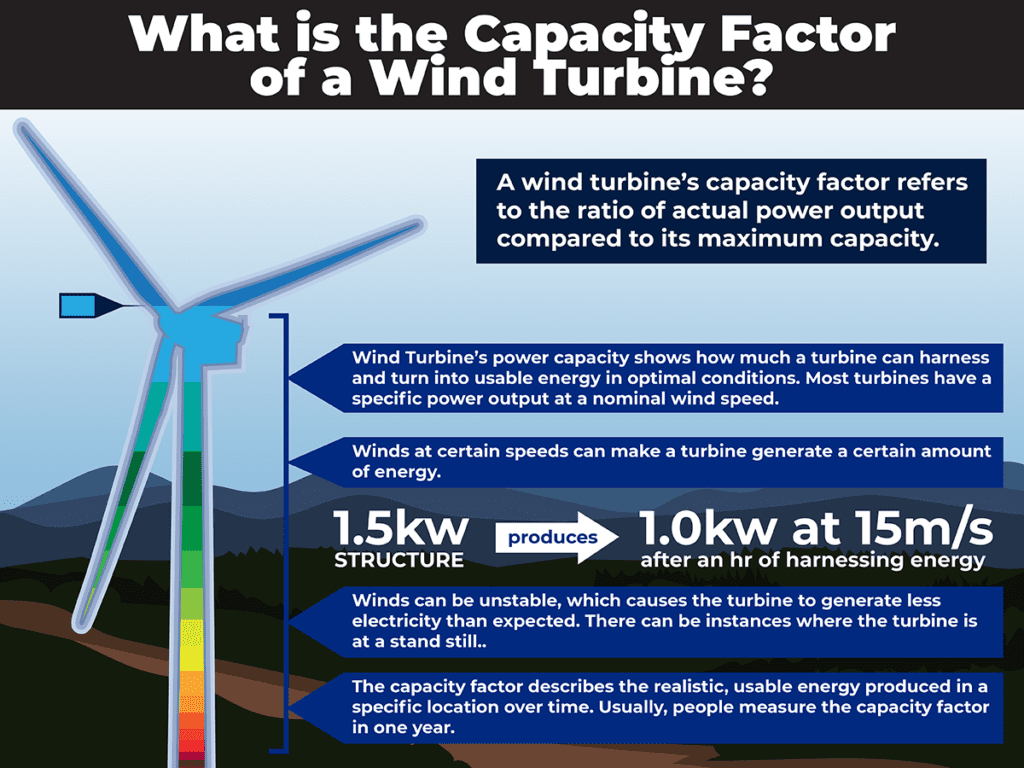
Another thing to consider is something called the "capacity factor." This is essentially the percentage of time that a wind turbine is actually generating power at its maximum potential. Wind doesn't blow constantly, so the capacity factor is usually around 30-40%. This means that a 3 MW turbine might actually only average around 1 MW of output over a longer period of time.
From Turbine to Your Toaster: The Grid's the Key
Now, all that electricity generated by the wind turbine needs to get to your home to power your lights, your TV, and your oh-so-important coffee maker. This is where the electrical grid comes in. The grid is like a giant highway system for electricity, connecting power plants (including wind farms) to homes and businesses.
When a wind turbine generates electricity, it's fed into the grid. From there, it's distributed to where it's needed. So, the next time you flip on a light switch, remember that some of that electricity might just be coming from the wind!
In conclusion, while the exact power output of a wind turbine varies, they are a significant source of clean, renewable energy. They help reduce our reliance on fossil fuels, create jobs, and contribute to a more sustainable future. So, the next time you see one of those majestic windmills spinning in the breeze, take a moment to appreciate the power it's harnessing to make our world a little bit brighter (and greener!).