How Much Power Does It Take To Charge A Tesla
Ever wondered how much "oomph" it takes to fill up a Tesla? It's not like pouring gas into a car, that's for sure. We're talking electrons here, not dino-juice! So, let's dive in and figure out just how much power it takes to get your electric chariot ready to roll.
The Mighty Kilowatt-Hour (kWh)
First, a quick word on our unit of measure: the kilowatt-hour, or kWh. Think of it like this: it's the amount of energy it takes to run a 1,000-watt appliance for one hour. A typical microwave might use around 1 kWh if you nuked a burrito in it for an entire hour (please don't do that!). When we talk about charging your Tesla, we're measuring in kWh.
Different Tesla models have different battery sizes. Think of it like gas tanks, but way cooler. A Model 3 might have a battery around 50-75 kWh, while a Model S could be closer to 100 kWh. So, filling up a bigger battery obviously takes more juice.
Must Read
Charging at Home: Slow and Steady Wins the Race (Maybe)
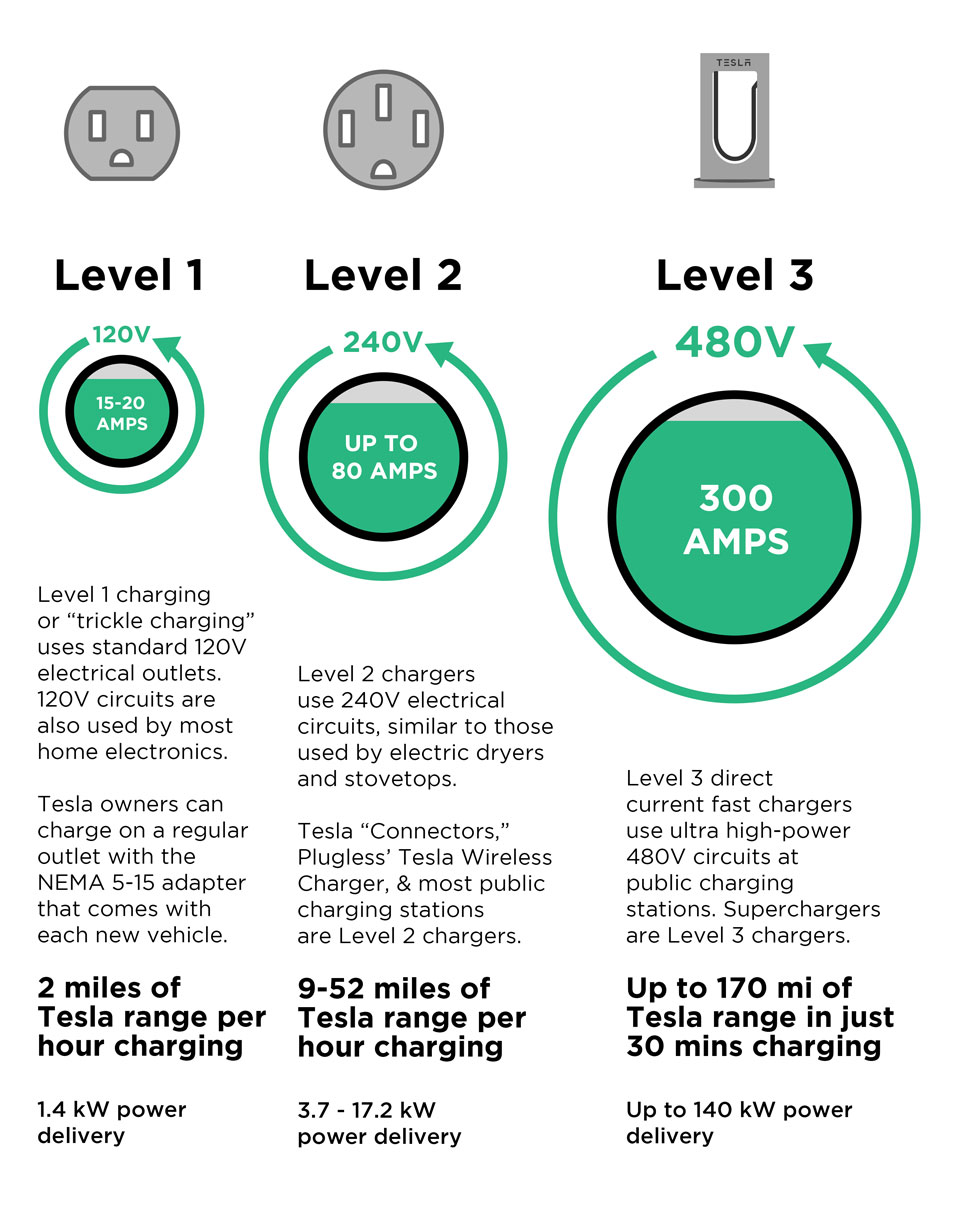
Most Tesla owners do the bulk of their charging at home. This is generally the cheapest and most convenient option. You have a few ways to plug in, each with different power levels:
Level 1 Charging: The Tortoise Approach
This is your standard wall outlet, the same one you plug your toaster into. It's slow, like glacially slow. You'll probably get around 2-5 miles of range per hour of charging. Imagine trying to fill up a swimming pool with a teaspoon – that’s Level 1 charging! Great for topping off, not so great for a full recharge.

Level 2 Charging: The Sweet Spot
This is where things get interesting. Level 2 charging uses a 240-volt outlet, similar to what your dryer uses. You'll need a wall connector installed in your garage (Tesla sells these, and an electrician can hook it up). This gives you a much faster charge, typically around 20-40 miles of range per hour. Think of it like using a garden hose instead of that teaspoon. Much better! This is the ideal way for most people to charge their Tesla overnight.
Supercharging: Warp Speed!
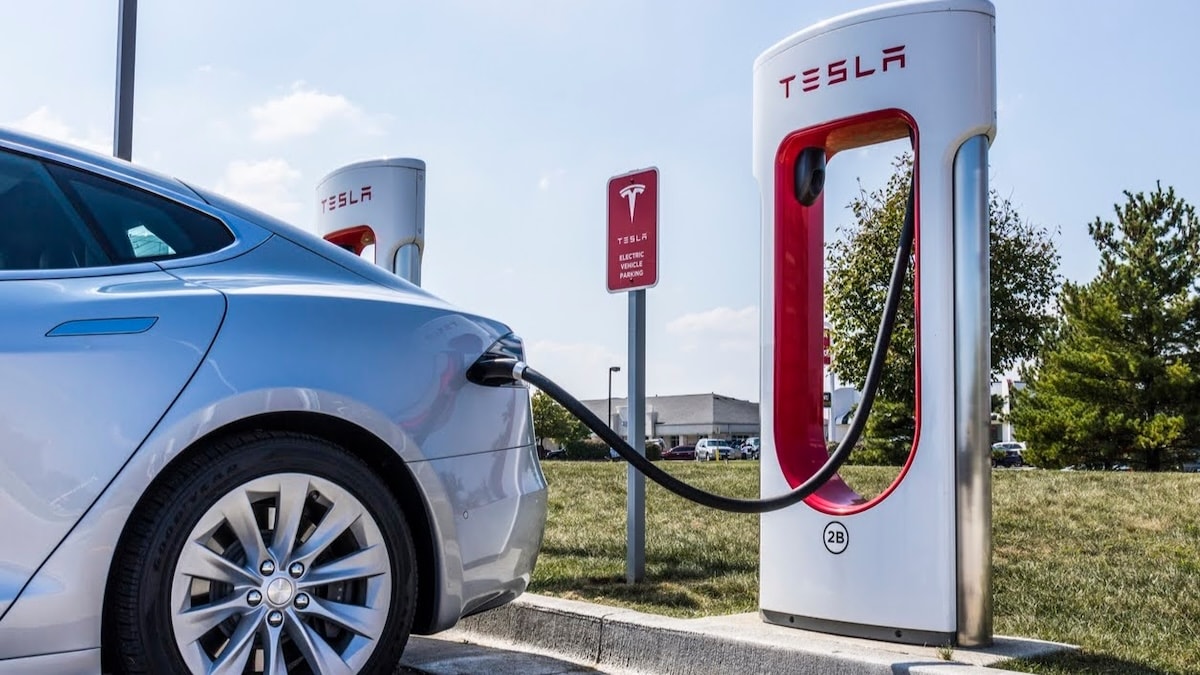
Tesla's Supercharger network is designed for long road trips. These are high-powered charging stations that can deliver hundreds of miles of range in a short amount of time. We’re talking serious power! The newest V3 Superchargers can output up to 250 kW. You might not need to wait for long to get back on the road.
Imagine your car refueling so quickly that you can barely finish your coffee! It isn't instantaneous. But it can provide a significant charge in a relatively short amount of time.
So, How Much Does it Actually Cost?
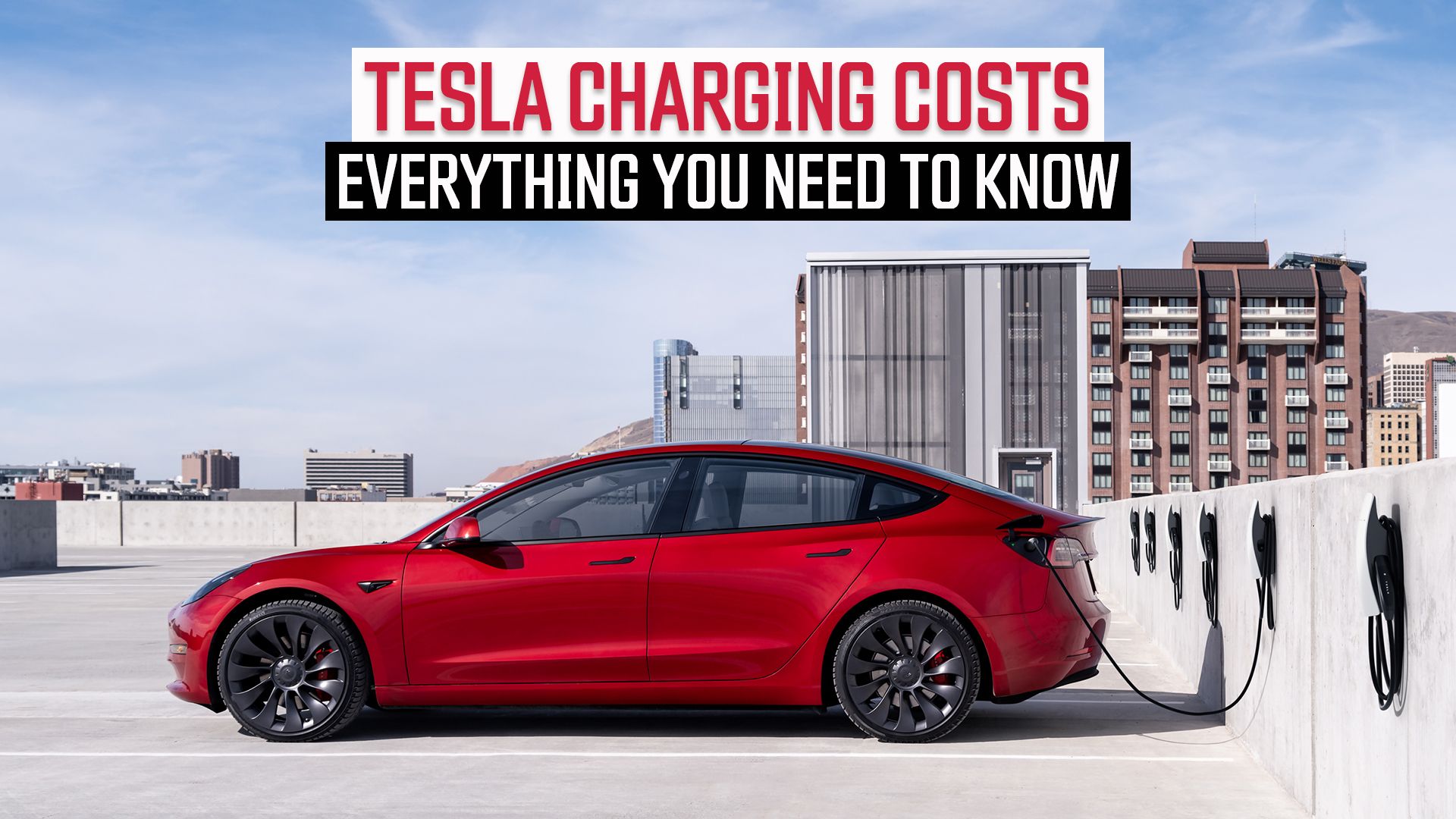
This is where things get a little trickier, because electricity prices vary depending on where you live and what time of day you're charging. But let's say electricity costs you 15 cents per kWh. To fully charge a 75 kWh Tesla battery, it would cost around $11.25. Compare that to filling up a gas-guzzling SUV – you're saving some serious dough!
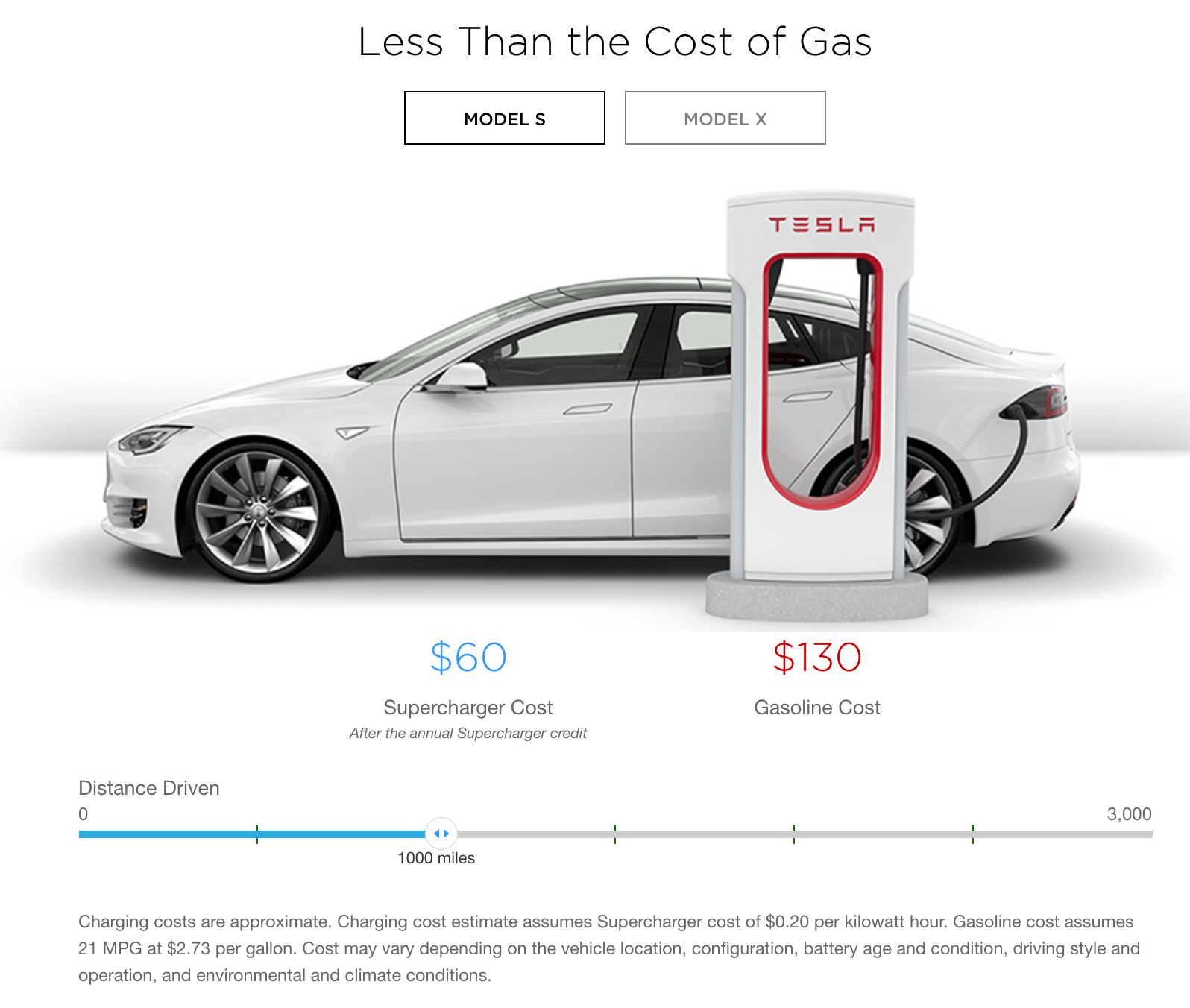
Supercharging costs vary as well, and are usually more expensive per kWh than charging at home. Think of it as the convenience fee for getting back on the road quickly.
In summary, the power needed to charge a Tesla depends on the battery size, the charging speed, and the electricity rates. But generally speaking, charging at home is cheap and convenient, while Supercharging is fast and a little more expensive. Either way, you're driving on sunshine (or wind, or water, depending on where your electricity comes from!) and that's something to feel good about.
Now, go forth and conquer the road, electric vehicle owner!