
How Much Power Does A Small Refrigerator Use

The Tiny Fridge, the Mighty Bill: A Whimsical Look at Fridge Power
We love our little refrigerators, don't we? Tucked away in dorm rooms, offices, or man caves, they're the silent guardians of our snacks and beverages. But have you ever stopped to wonder just how much power these miniature marvels actually consume? Prepare to be mildly surprised!
Unveiling the Power Consumption Mystery
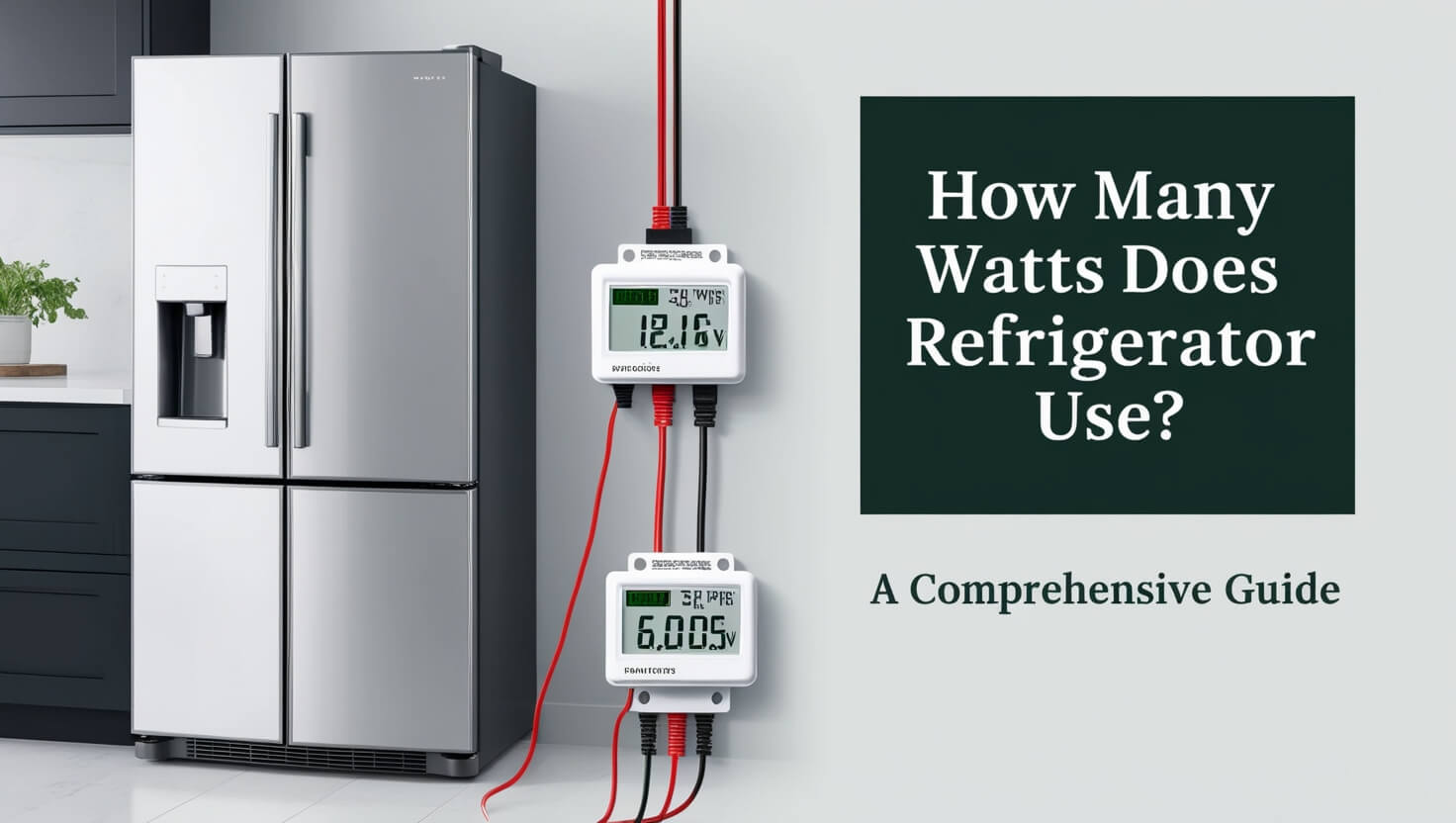
Let's talk numbers, but don't worry, it won't be a math lesson. A small refrigerator, generally speaking, uses somewhere between 50 to 150 watts. Think of it as a really enthusiastic lightbulb, constantly working to keep your soda frosty.
That's a range, of course, because not all mini-fridges are created equal. Older models tend to be a bit thirstier for electricity than their energy-efficient counterparts.
Must Read
The size also plays a role. A tiny, single-serving fridge will naturally use less juice than one spacious enough to hold a whole pizza (priorities, people!).
Watts in Action: A Daily Dose of Electricity
Okay, so we know the wattage, but what does that actually mean for your electric bill? It's time to translate watts into real-world costs.
Imagine your mini-fridge uses 100 watts and runs 24/7 (which, let's face it, most do). That translates to 2.4 kilowatt-hours (kWh) per day.
To calculate the monthly cost, simply multiply that number by your electricity rate. If you pay, say, $0.15 per kWh, your mini-fridge is adding about $10.80 to your monthly bill. Not a fortune, but enough to buy a fancy coffee, perhaps?
Energy Vampires: The Hidden Costs of Neglect
Here's the thing: your mini-fridge's energy consumption isn't always straightforward. Several sneaky factors can cause it to guzzle more power than it should. These are like the energy vampires of the appliance world.
Door Seal Disaster: A worn-out or damaged door seal is a prime culprit. If the seal is compromised, cold air leaks out, and the fridge has to work harder to maintain the desired temperature. Imagine leaving your front door wide open in the middle of winter – your heater would be working overtime, right? Same principle!
Dust Bunnies on the Back: Dust and grime buildup on the condenser coils (usually located on the back of the fridge) can also impede efficiency. These coils dissipate heat, and if they're covered in dust bunnies, they can't do their job effectively. Think of it like trying to run a marathon while wearing a heavy coat – you're going to struggle!
Overstuffing Issues: Packing your mini-fridge to the brim can also affect its performance. Overcrowding restricts airflow, making it harder for the fridge to cool efficiently. Plus, you might accidentally block the vents, which can lead to temperature fluctuations and increased energy consumption.
Tips and Tricks for a Thrifty Fridge
Now for the good news! There are plenty of simple ways to minimize your mini-fridge's energy footprint. Here are a few tips to keep your electricity bill in check:
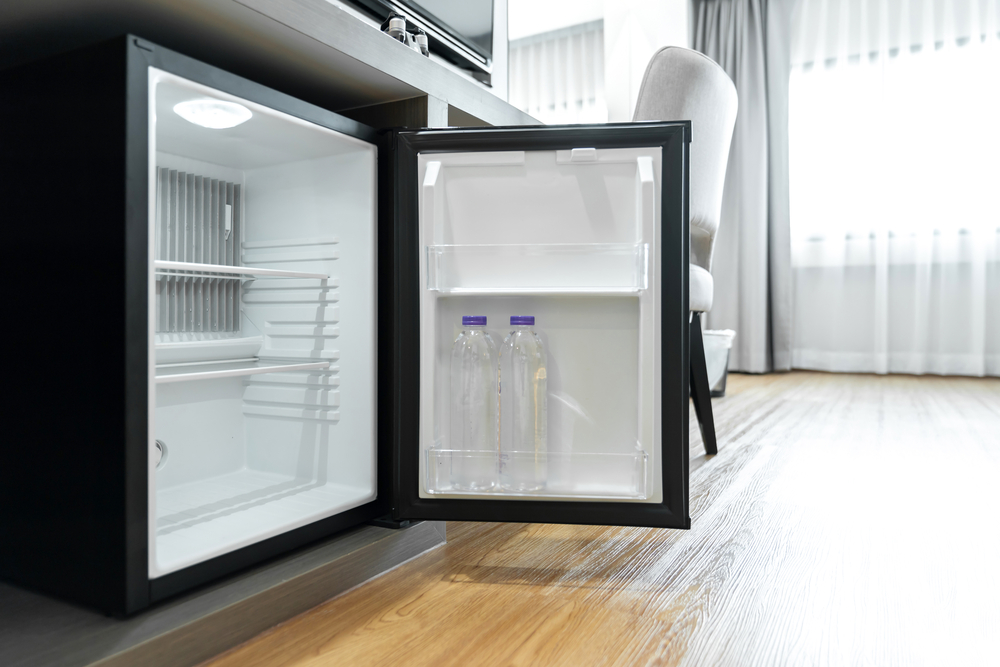
Seal the Deal: Regularly inspect the door seal for cracks or damage. If it's looking worse for wear, replace it. A new seal is a small investment that can make a big difference in energy savings.
Dust Busting: Give the condenser coils a good cleaning every few months. Use a vacuum cleaner with a brush attachment to remove dust and debris. Your fridge will thank you!
Strategic Stocking: Avoid overcrowding your mini-fridge. Leave some space between items to allow for proper airflow. Plus, you'll be able to find your favorite snacks more easily!
Temperature Taming: Don't set the temperature too low. A slightly warmer temperature can save energy without compromising food safety. The ideal temperature range for a refrigerator is between 35 and 38 degrees Fahrenheit (1.7 to 3.3 degrees Celsius).
Location, Location, Location: Place your mini-fridge in a cool, well-ventilated area. Avoid placing it near heat sources like ovens or direct sunlight. The cooler the ambient temperature, the less the fridge has to work to maintain the desired internal temperature.
The Heartwarming Side of Mini-Fridges
Beyond the numbers and energy efficiency, mini-fridges hold a special place in our lives. They're more than just appliances; they're silent companions that cater to our whims and desires.
Think of the college student, fueled by late-night study sessions and kept going by the cold brew stashed in their dorm room mini-fridge. Or the office worker, relying on their trusty fridge to store their healthy lunch and avoid the temptation of fast food.
And who could forget the gamer, fueled by energy drinks and pizza rolls, battling virtual foes with unwavering focus, all thanks to the conveniently located mini-fridge? The mini-fridge is the unsung hero of modern life!
Choosing Your Fridge Wisely
When it's time to replace your mini-fridge, consider opting for an energy-efficient model. Look for the Energy Star label, which indicates that the appliance meets strict energy-efficiency guidelines set by the Environmental Protection Agency (EPA).

While energy-efficient models may cost a bit more upfront, they can save you money in the long run by reducing your electricity consumption. Plus, you'll be doing your part to help the environment!
Think about the size you really need. A larger fridge uses more energy, so don't go overboard if you only need to store a few items.
A Final Chill Thought
So, how much power does a small refrigerator use? It's a surprisingly manageable amount, especially when you take steps to optimize its efficiency. With a little care and attention, you can keep your snacks cool, your drinks frosty, and your electricity bill in check.
And remember, the mini-fridge is more than just an appliance; it's a symbol of convenience, comfort, and the simple pleasures of life. So, raise a chilled beverage to the tiny fridge, the mighty bill-saver, and the silent guardian of our delicious desires!
Now, if you'll excuse me, I'm going to grab a soda from my mini-fridge.