
How Much Power Do Lights Use

Ever walked out the door and had that nagging feeling? You know the one. "Did I leave the lights on?" Or maybe you’re chilling on the couch, surrounded by a warm glow, and a little voice wonders, "How much is this costing me?" We've all been there. Our trusty light bulbs illuminate our lives, but sometimes their energy appetite can feel like a mystery. Let's pull back the curtain and shed some light on how much power our illuminating friends actually use.
The Bright Side of Power: Watts and Kilowatt-Hours
Before we dive into bulb types, let's quickly demystify the lingo. You'll see numbers like watts (W) on your light bulbs. Think of watts as how much energy a device needs to operate at any given moment. A higher watt number means more power consumed at that instant.
But what really matters for your electricity bill is kilowatt-hours (kWh). This is how your utility company measures your usage. One kWh is 1,000 watts running for one hour. So, if you have a 100W bulb on for 10 hours, that's 1,000 watt-hours, or 1 kWh. Simple, right?
Must Read
Meet the Bulb Family: From Incandescent to LED
Our homes have seen a revolution in lighting over the years. Each type of bulb has its own energy signature. Let's take a look:
The Incandescent: The Classic Glow (and Energy Hog)
Ah, the incandescent bulb. The OG of home lighting, giving us that familiar warm, yellow glow. Invented way back when (shout out to Edison and Swan!), these bulbs work by heating a tiny wire filament until it glows. The problem? They're incredibly inefficient. A staggering 90% of the energy they consume is wasted as heat, not light!

A typical incandescent bulb might be 60W or 100W. If you still have these burning for hours, your energy meter is having a feast.
The CFL: The Middle Child with a Twist
Compact Fluorescent Lamps (CFLs) were the first real step towards energy efficiency for many of us. You might remember their swirl design and perhaps their slightly slower start-up or cooler light. They use a gas discharge to produce UV light, which then makes a phosphor coating glow. This process is much more efficient than incandescents.

A CFL bulb providing similar brightness to a 60W incandescent would only use about 13-15W. That's a significant drop! However, they contain a tiny amount of mercury and have specific disposal requirements, which led to the next big thing.
The LED: The Undisputed Champ
Enter the Light Emitting Diode (LED). These are the rockstars of modern lighting! LEDs work by passing current through a semiconductor material, causing light to be emitted. They are incredibly energy-efficient, durable, and versatile, offering a huge range of colors and brightness levels.
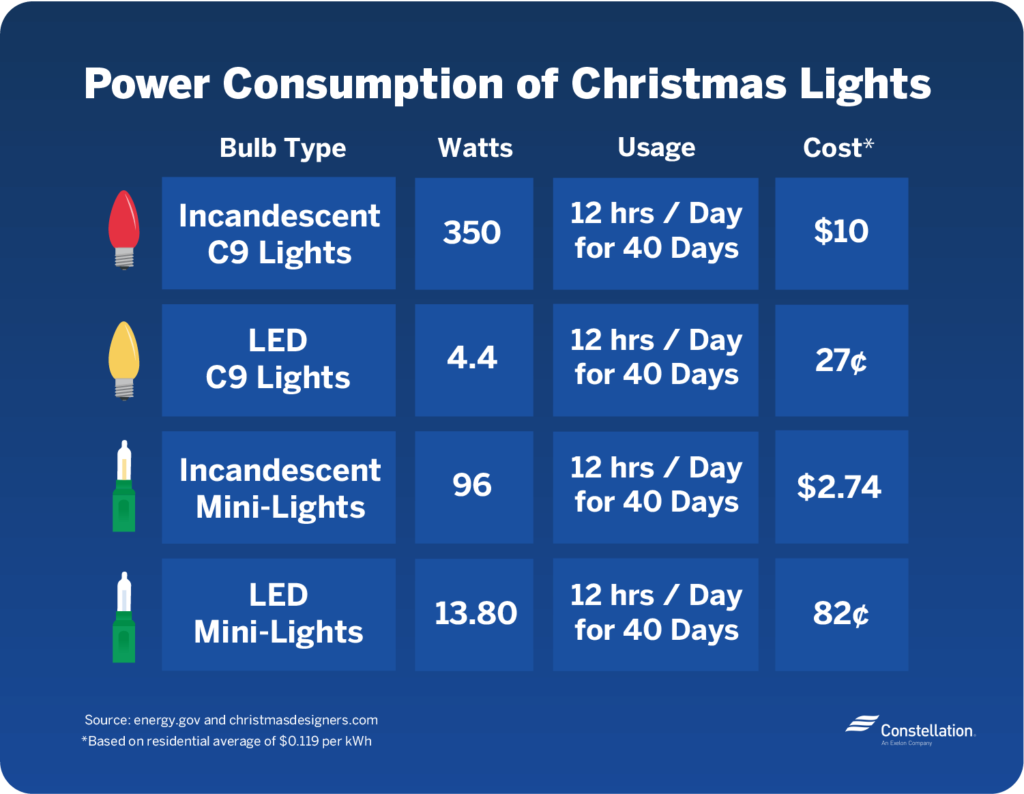
An LED bulb that matches the brightness of a 60W incandescent will typically consume a mere 6-9W. That's less than a tenth of the power of its old-school counterpart! Not only do they use less power, but they also last for years, sometimes even decades. Talk about getting your money's worth!
Practical Magic: Tips for a Lighter Bill and Footprint
Now that we know the score, how can we make smart choices?

- Switch to LEDs: This is the number one game-changer. Replace your old bulbs with LEDs, and watch your electricity bill shrink. It’s an upfront investment that pays for itself many times over.
- Turn Off the Lights: Simple, yet effective! Make it a habit. Leaving a room? Flip the switch. It seems obvious, but we often forget in our busy lives.
- Embrace Natural Light: Open those curtains and blinds! Maximizing daylight reduces the need for artificial lighting. It also boosts your mood – a win-win!
- Use Dimmers: If you love ambiance, dimmers are your friend. They not only set the mood but also reduce the power consumption of your lights (if they're dimmable LEDs or incandescents).
- Smart Lighting: Consider smart bulbs and switches. You can control them from your phone, set schedules, and even integrate them with voice assistants. No more wondering if you left the bathroom light on – just check your app!
- Right Lumens for the Right Room: Don't over-light a space. Lumens measure brightness. A reading nook needs more lumens than a hallway. Choose bulbs with appropriate lumen output for each area to avoid unnecessary energy use.
Fun Fact: The Eiffel Tower Sparkle
Did you know that the famous sparkling lights on the Eiffel Tower, which occur for five minutes every hour after dark, are powered by 20,000 LED bulbs? That's a lot of sparkle, but thanks to LED technology, the energy impact is much lower than it would have been with older bulbs. Imagine the electricity bill if they were incandescents!
A Little Reflection on the Daily Glow
So, how much power do lights use? It really depends on what kind of lights you're using and how you're using them. But the good news is, we have more control than ever before. From the subtle hum of our bedside lamp to the bright overhead in the kitchen, our lights do more than just illuminate; they shape our homes and moods.
Making conscious choices about our lighting isn't just about saving a few bucks (though that's nice!). It's about being mindful of our energy footprint, creating a more sustainable home, and enjoying the beautiful, efficient glow of modern technology. So next time you flip a switch, you'll know exactly what kind of power play is happening behind the scenes.