
How Much Per Hour Is 48000 A Year
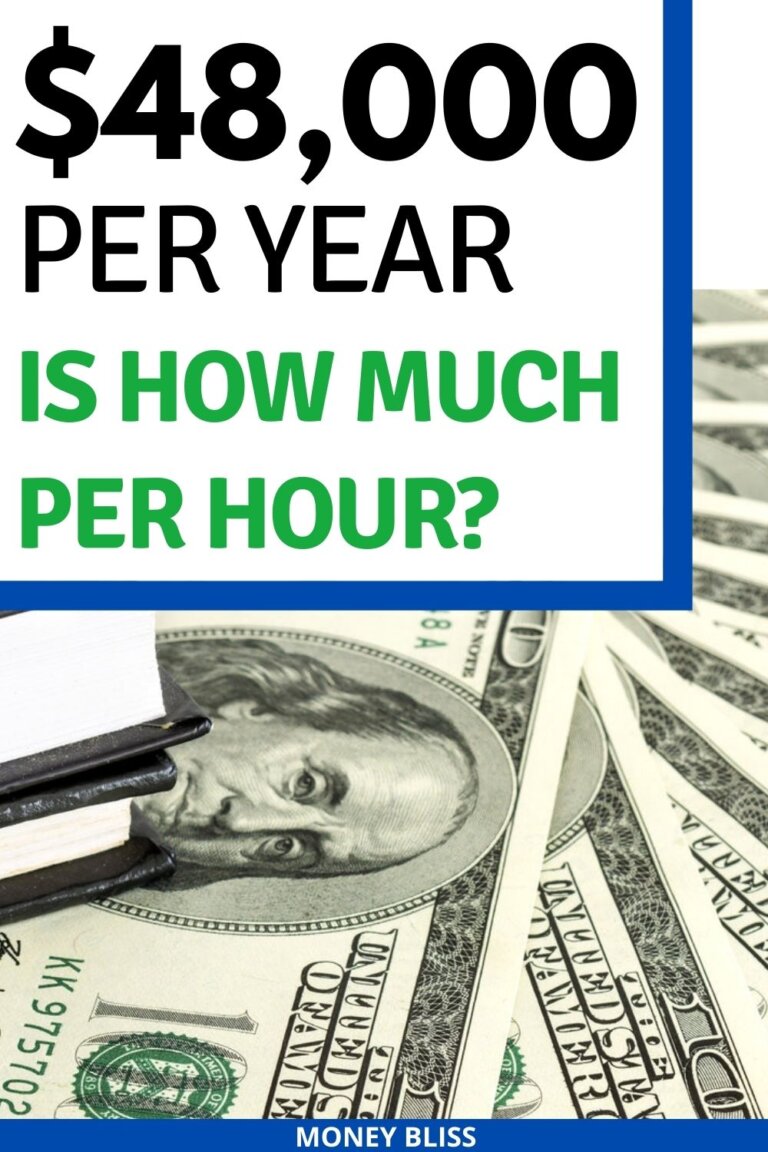
Okay, so picture this: I'm at a barbecue, right? Good music, decent burgers (Karen brought the weird veggie ones, but hey, it's a potluck). Someone asks me, "Hey, you're good with numbers, right? What's $48,000 a year hourly?" And I’m there, juggling a burger and a beer, trying to do mental math. It felt like being back in algebra class – only with ketchup.
We’ve all been there, haven’t we? Faced with the sudden, slightly awkward question of translating a yearly salary into an hourly rate. It's a surprisingly common query, and honestly, sometimes it's just plain useful to know. Because let's be real, hearing "48,000 a year" sounds pretty good, but knowing it translates to a more manageable hourly number makes it feel… achievable.
So, let's break down this numerical enigma, shall we?
Must Read
The Standard Calculation: 2080 Hours
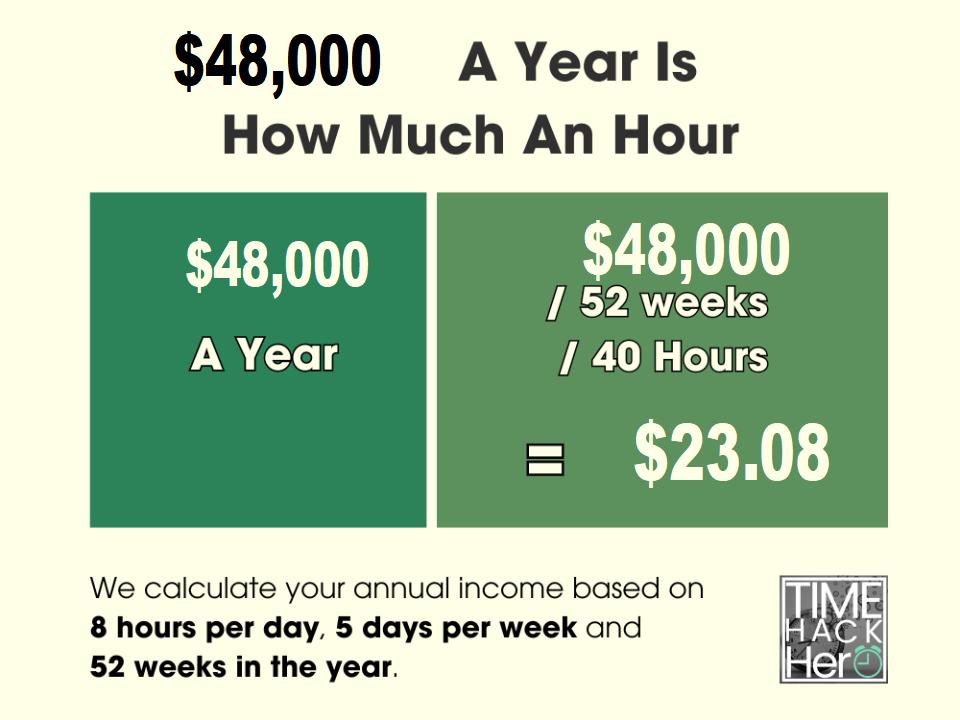
The most common way to calculate your hourly rate from an annual salary is to divide by the number of hours you work in a year. And the "standard" number of working hours in a year is 2080. This is based on a 40-hour workweek for 52 weeks. Simple, right?
Therefore, to find the hourly rate for $48,000 a year, we do this:
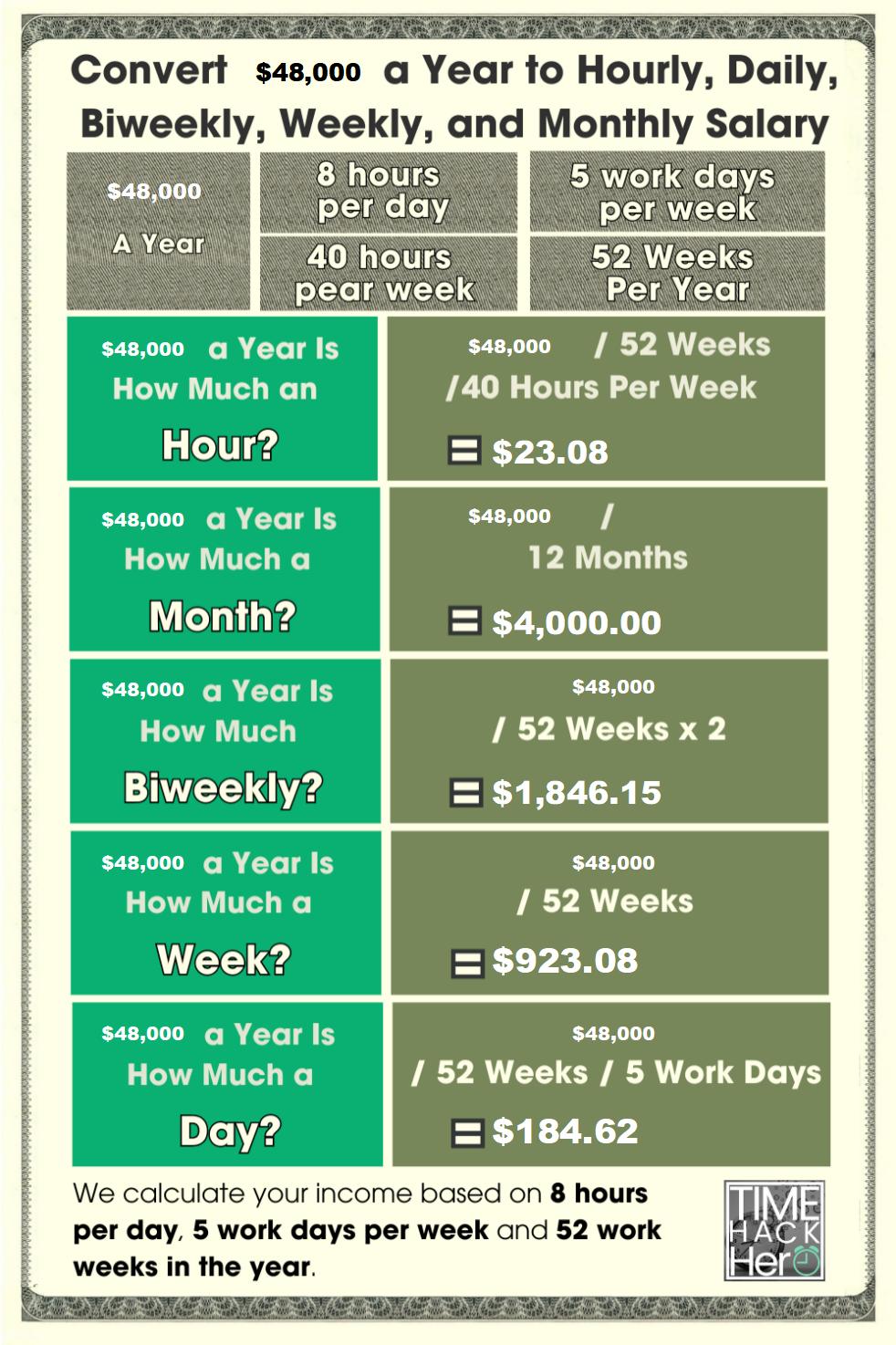
$48,000 / 2080 = $23.08 (approximately)

Boom! So, roughly $23.08 per hour. Not bad, eh?
Side note: You might be thinking, "But what about holidays? Vacation time? Sick days?" Good point! This calculation doesn’t account for any paid time off. We'll get to that in a bit, but first… another important factor.
Considering Your Actual Work Hours
Not everyone works exactly 40 hours every week. Some people are part-time, some work overtime like crazy (shoutout to all the overachievers!), and others might have a slightly different work schedule. So, it’s crucial to consider your actual work hours.
For example, if you only work 35 hours a week, your annual working hours would be:
35 hours/week * 52 weeks/year = 1820 hours
In that case, your hourly rate for $48,000 a year would be:
$48,000 / 1820 = $26.37 (approximately)
See? A pretty significant difference! Always factor in your actual hours worked.
Paid Time Off: The Real MVP
Okay, back to those holidays and vacation days. This is where things get a little trickier, but also a lot more realistic. If you get paid for those days off, they still contribute to your yearly salary, even though you're not actively working. This means your true hourly rate is likely a bit lower than the initial calculation.
Let’s say you get 2 weeks of paid vacation and 1 week of paid holidays (for a total of 3 weeks, or 120 hours), and you work 40 hours per week. You are still getting paid for a total of 2080 hours in the year! Therefore you would still use the $23.08 calculation.
The calculation can get messy when you factor in unpaid time off, however. You’d need to adjust your total number of working hours downwards to get a more accurate representation of your hourly wage.
Why Bother Calculating It?
So, why is knowing your hourly rate even important? Well, for a few reasons:
- Freelancing: If you're thinking about freelancing or taking on side projects, knowing your hourly rate gives you a baseline for what to charge. You don't want to undersell yourself!
- Negotiating: When negotiating a raise or a new job offer, knowing your current hourly rate helps you understand your worth and make informed decisions.
- Budgeting: It can make budgeting easier to visualize your income in terms of hours, especially if you have variable income.
- Just Curious: Sometimes, you just want to know! And that's perfectly valid. (Like at a barbecue, when you’re trying to impress people with your numerical prowess. Or just avoid Karen’s veggie burgers.)
In conclusion, figuring out your hourly rate from a $48,000 annual salary isn't rocket science. But it does require a little bit of careful consideration of your specific work situation. So go forth, calculate, and know your worth! And maybe bring your own burger to the next barbecue. Just in case.