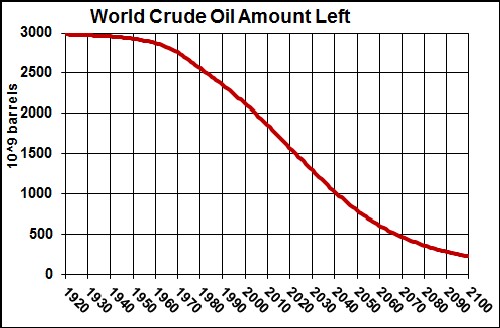
How Much Oil Is Left In The Us
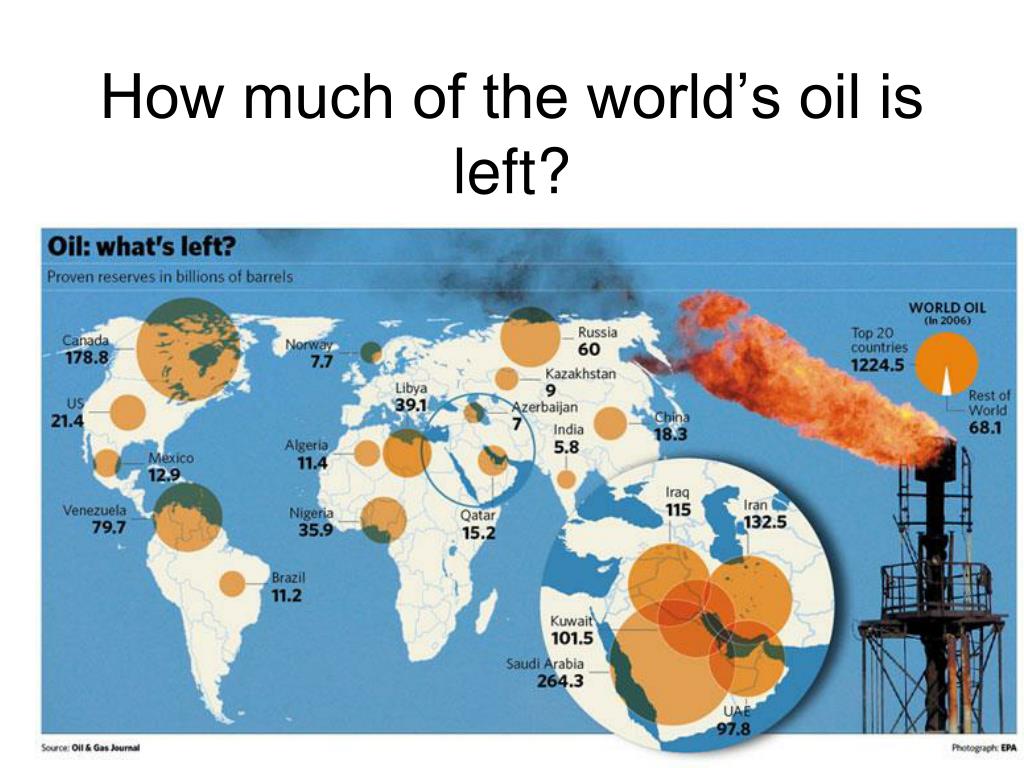
Ever hit the open road, windows down, music up, and thought, "Man, this is the life!" only for that tiny, nagging question to surface: how long can this gas-guzzling dream last? It’s a classic thought experiment, especially when filling up the tank feels like a significant financial transaction. The idea of the U.S. "running out of oil" has been a dramatic headline for decades, but let’s unpack that with a chill, modern magazine vibe, shall we?
First off, let’s ditch the doomsday clock. The notion of us suddenly hitting an empty national fuel tank next Tuesday is a bit of a myth. The truth is, the story of oil in the U.S. is far more dynamic and, frankly, much more interesting than a simple countdown.
The U.S. Oil Story: Not Your Grandfather's Oil Patch
For years, the narrative was that America was rapidly depleting its reserves, making us heavily reliant on foreign oil. And for a time, that was largely true. But then, a quiet revolution happened, fueled by some serious ingenuity. We're talking about the shale revolution. Thanks to advancements like horizontal drilling and hydraulic fracturing (fracking), suddenly vast amounts of oil and natural gas trapped in shale rock became accessible.
Must Read
This wasn't just a minor tweak; it was a game-changer. Overnight, areas once considered too difficult or expensive to drill became viable. Think of it like finally figuring out how to get all the delicious peanut butter out of the bottom of a jar with a special spatula. The result? The U.S. has transformed from a major oil importer to one of the world's largest crude oil producers. We're talking about a significant shift, folks!
So, How Much Is "Left," Really?
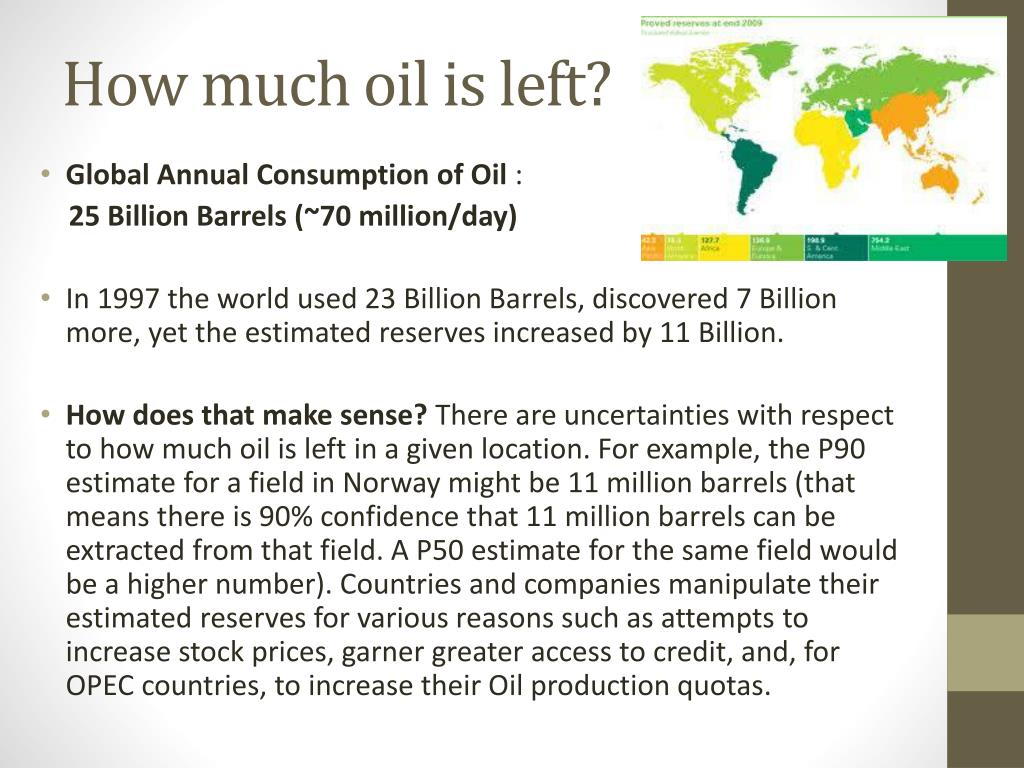
When experts talk about how much oil is "left," they usually refer to proved reserves. These are the quantities of oil that geological and engineering data demonstrate with reasonable certainty can be recovered in future years from known reservoirs under existing economic and operating conditions. It's not a static number; it changes with technology, oil prices, and new discoveries.
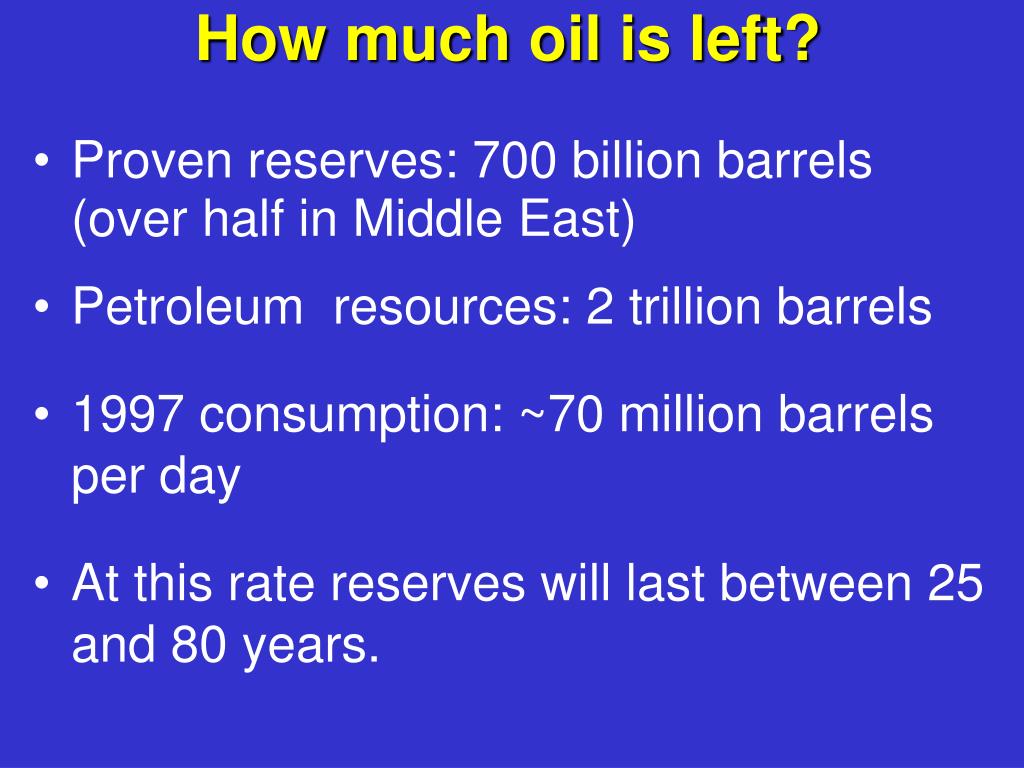
As of recent estimates, the U.S. has hundreds of billions of barrels of recoverable oil. While precise figures vary and are constantly updated, it's safe to say we're not running on fumes. Areas like the Permian Basin in Texas and New Mexico are veritable energy powerhouses, often referred to as a modern-day "Saudi America" for their sheer output.
Fun Fact: Did you know the first commercial oil well in the U.S. was drilled in Titusville, Pennsylvania, by Edwin Drake in 1859? Talk about a throwback!
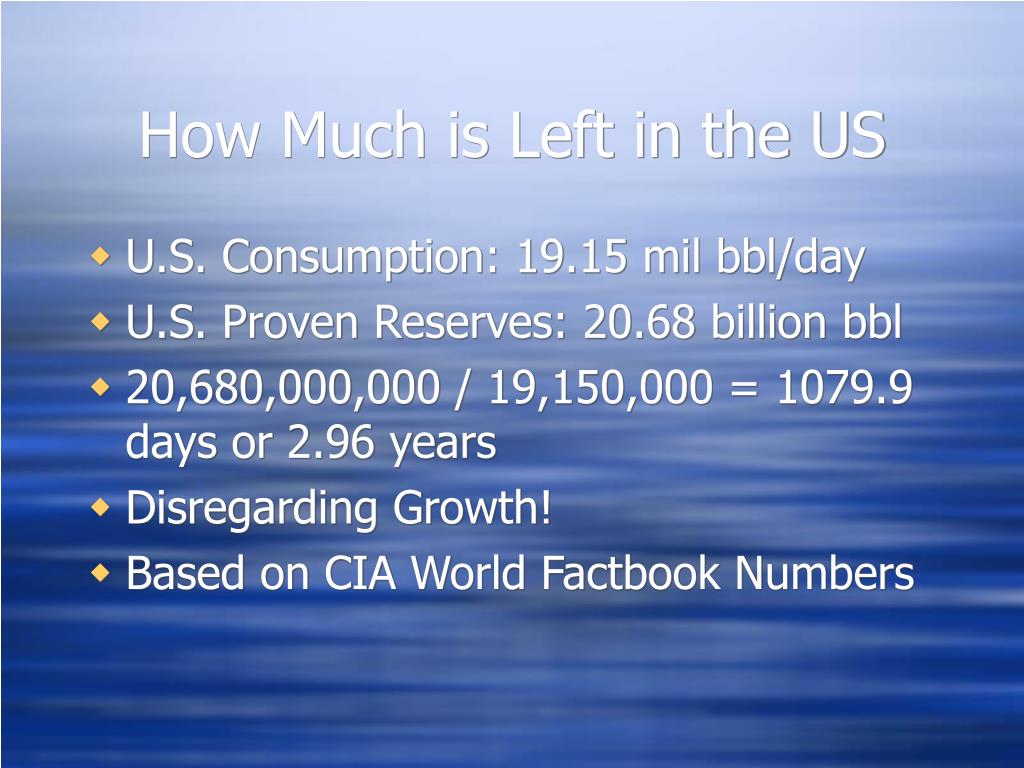
It's Not Just About Quantity, It's About Quality (and Cost!)
While the U.S. has substantial reserves, it’s important to remember that oil isn't just "there." Getting it out requires resources, technology, and money. The economic viability of extracting these reserves plays a huge role in how much is "left" for practical purposes. If oil prices drop too low, some extraction methods become unprofitable, meaning technically recoverable oil might stay in the ground.
This is where the conversation shifts from pure geology to energy strategy. It's not just about if we can get it, but if we should, both economically and environmentally.
Your Daily Drive: Connecting the Dots
What does all this mean for your daily commute or that epic cross-country road trip? It means that for the foreseeable future, gasoline will remain a significant fuel source. The U.S. isn't facing an imminent "lights out" scenario due to lack of domestic oil. However, global events, supply chains, and refining capacity still heavily influence gas prices at the pump. So, while we have plenty of oil, international politics and demand spikes can still make your wallet feel lighter.
Practical Tips for the Savvy Consumer:
- Drive Smart: Gentle acceleration, steady speeds, and proper tire inflation can significantly improve your fuel economy. Every little bit helps!
- Combine Trips: Channel your inner efficiency guru. Knock out all your errands in one go instead of multiple small trips.
- Consider Alternatives: Carpooling, public transport, biking, or even walking aren't just good for the planet; they're great for your gas budget.
- Future Forward: As electric vehicles become more accessible and charging infrastructure expands, they offer a compelling alternative that reduces reliance on gasoline entirely.
Ultimately, the question of "how much oil is left" isn't about an empty tank in the immediate future, but rather about a broader energy picture. It's a reminder that while natural resources are plentiful for now, intelligent consumption, technological innovation, and a shift towards diverse energy sources are what truly secure our future. So, next time you're on the open road, enjoy the ride, but also remember that our choices today shape the energy landscape for tomorrow. Let's make them good ones!