How Much Of Minnesota's Electricity Comes From Canada

Ever flipped a light switch and wondered where that electricity really comes from? It's a question most of us don't ponder daily, but in a world increasingly focused on energy sources and sustainability, understanding the origin of our power is becoming more important – and, dare I say, kind of fun! So, let's take a peek at Minnesota and its connection to our friendly neighbor to the north: Canada. How much of the electricity powering Minnesota homes and businesses actually crosses the border?
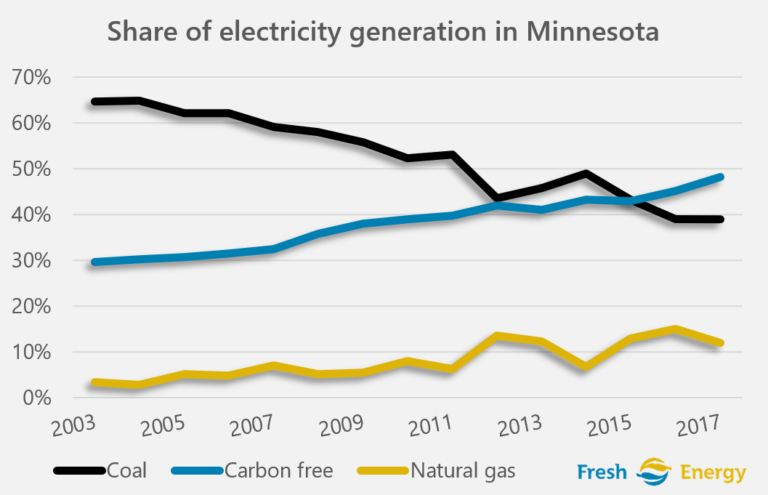
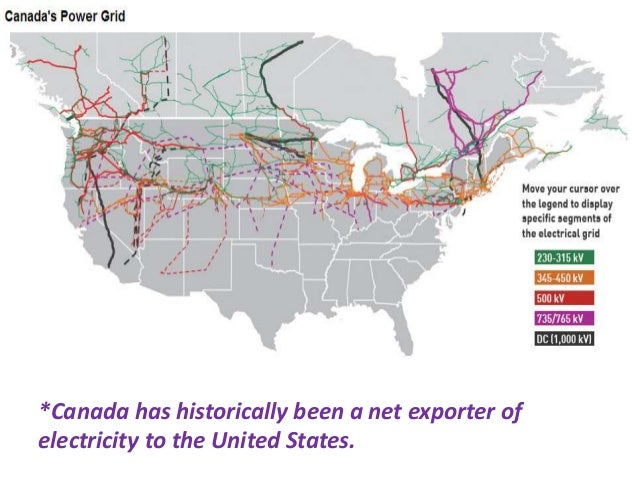
The answer, surprisingly, isn't a straightforward percentage. It fluctuates depending on a variety of factors like seasonal demand, hydroelectric availability in Canada, and the operation of Minnesota's own power plants (coal, nuclear, wind, solar, and natural gas). There isn't a constant, fixed amount. However, Canada plays a significant role, particularly in terms of hydroelectric power. Minnesota relies on imports, especially from Manitoba and occasionally other provinces, to supplement its energy grid.
Why is importing electricity beneficial? Well, for starters, it can provide access to renewable energy sources. Canada has a substantial amount of hydroelectric generation, and importing this power helps Minnesota reduce its reliance on fossil fuels, contributing to a cleaner energy profile. It also increases the overall reliability of the grid. Having access to diverse energy sources makes the system more resilient to disruptions, such as a power plant outage within Minnesota or extreme weather events. Think of it as diversifying your investment portfolio, but for electricity!
Must Read
You might not realize it, but this Canada-Minnesota energy relationship plays a part in various aspects of daily life. Think about school projects on renewable energy or environmental science. Exploring the Minnesota-Canada energy link can be a fantastic case study of international cooperation and the complexities of energy grids. Or consider news reports about electricity prices – the amount of imported Canadian power can directly impact rates for consumers in Minnesota. Even simple things like understanding where your power comes from can affect decisions about home energy efficiency or supporting local renewable energy initiatives.
So, how can you explore this topic further? A great starting point is the website of the Midcontinent Independent System Operator (MISO). MISO manages the electric grid across a large portion of the Midwest, including Minnesota, and publishes data on energy generation and imports. You can often find information on the sources of electricity flowing through the grid at any given time. Also, check out the websites of Minnesota's major utility companies, such as Xcel Energy and Minnesota Power. They often release information on their energy sourcing strategies and the role of imported power. A simple Google search using terms like "Minnesota electricity sources" or "Minnesota Canada energy imports" will also yield a wealth of reports, articles, and data. Don't be afraid to dig in and explore! You might be surprised by what you find. Understanding this interconnectedness is key to being an informed citizen and making smart decisions about our energy future. And who knows, maybe you'll even impress your friends at the next trivia night with your knowledge of Minnesota's cross-border electricity adventures!