
How Much Natural Gas Is Left
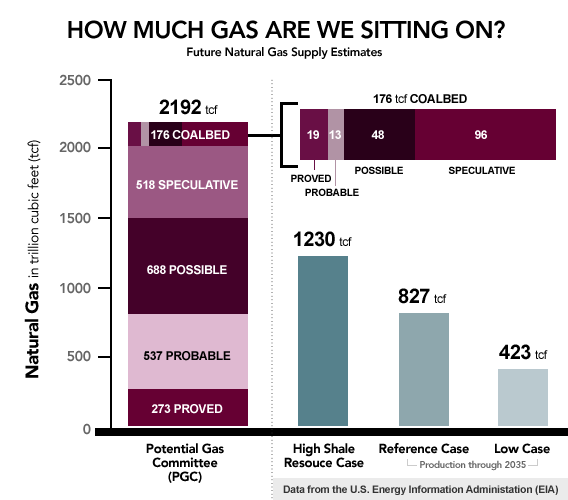
Ever flicked on the stove for your morning coffee or cranked up the thermostat on a chilly evening and wondered, even just for a fleeting moment: how much natural gas is actually left down there? It’s a perfectly natural thought, especially with all the talk about energy, resources, and our planet. Well, grab a mug of that coffee, because we’re diving into the subterranean world of natural gas reserves, and it might just surprise you how much is still bubbling away.
Good News, Energy Enthusiasts: More Than You Think!
When we talk about natural gas, many of us picture a finite supply, like a pantry that’s slowly emptying. And while it is a fossil fuel and thus finite on a human timescale, the reality of its availability is a lot more complex and, frankly, a lot more abundant than public perception often suggests. The truth is, we’ve actually got quite a lot left. In fact, thanks to incredible advancements in extraction technologies and ongoing exploration, our understanding of these reserves has dramatically expanded.
Think of it like this: your pantry might have a week's worth of groceries (these are your proven reserves). But you also know there's a giant supermarket warehouse down the road filled to the brim (these are your estimated resources). For natural gas, our "supermarket warehouse" keeps getting bigger as we get better at finding and accessing it.
Must Read
Fun fact: The United States, once a major importer, has become one of the world's largest producers and even a net exporter of natural gas! This shift is largely due to the unlocking of vast shale gas resources.
Where in the World is All That Gas?
Natural gas isn't evenly distributed, which naturally creates some interesting geopolitical dynamics. Major players with significant proven reserves include the United States, Russia, Iran, and Qatar. These countries sit on colossal underground reservoirs, often formed over millions of years alongside oil deposits. The ability to access and transport this gas around the globe through pipelines and by converting it into Liquefied Natural Gas (LNG) shapes international relations and energy security for many nations, including our own.

It's not just about the volume, but also about the accessibility. Advancements like horizontal drilling and hydraulic fracturing (often called "fracking") have allowed us to tap into previously unreachable pockets of gas trapped in shale rock formations, significantly boosting global supply figures. While these technologies have their own discussions around environmental impact, they undeniably reshaped the energy landscape.
So, How Long Will It Last?
Here’s where it gets really interesting. Based on current proven reserves and global consumption rates, estimates suggest we have enough natural gas to last for 50 to 100 years or even more. And remember that "supermarket warehouse" analogy? When you factor in estimated but unproven resources, that timeline extends even further, potentially for centuries. These numbers are constantly being updated as new discoveries are made and extraction techniques improve.

It's important to differentiate between "running out" and "transitioning away." While the physical supply is substantial, the global push towards decarbonization means that our reliance on natural gas will likely decrease long before we ever come close to fully depleting it. We’re moving towards a future where energy isn't just about what we have, but how sustainably we can produce and use it.
Making Smart Choices: Your Role in the Energy Story
While the reserves might be plentiful, that doesn't mean we should take them for granted. Every bit of energy we use has an impact, from extraction to consumption. Here are a few easy, practical tips to be a savvy energy consumer:
- Mind Your Thermostat: A programmable or smart thermostat can save you a surprising amount by optimizing heating and cooling when you're not home or asleep. Just a couple of degrees difference can add up!
- Seal the Deal: Simple home improvements like weatherstripping around doors and windows, or adding insulation, can dramatically reduce heat loss (or gain) and keep your home more comfortable for less.
- Efficient Appliances: When it's time to replace your furnace, water heater, or stove, look for high-efficiency models. An Energy Star rating is a great indicator of a product designed to use less energy.
- Don't Be a Vampire: Unplugging electronics when not in use can prevent "vampire drain" – the small amount of power they consume even when turned off.
These aren’t just about conserving natural gas; they're about being mindful of all our resources and lowering our utility bills, which is a win-win in anyone's book!
The Bigger Picture: A Bridge to a Brighter Future
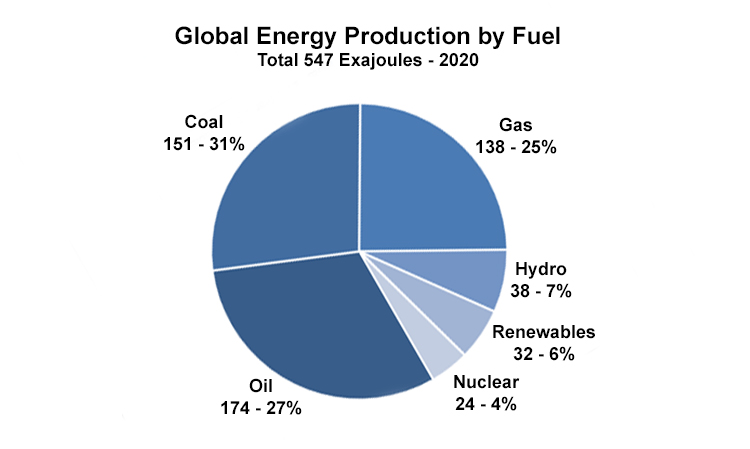
Natural gas is often seen as a "bridge fuel" – cleaner than coal, but not as carbon-free as renewables like solar or wind. It plays a crucial role in providing reliable power while we continue to develop and scale up renewable energy technologies. So, while we may not be running out of it anytime soon, the conversation is shifting from how much is left to how can we best manage its use as we transition towards a more sustainable, low-carbon future.
So, the next time you turn on your gas grill or feel the warmth from your heating system, know that the supply is robust for the foreseeable future. More importantly, consider the power you hold, not just in consuming energy, but in making conscious choices that contribute to a smarter, more efficient, and ultimately, a more sustainable world for everyone. It's about living well today, with an eye towards an even better tomorrow.
