How Much Money Do Jewelers Make
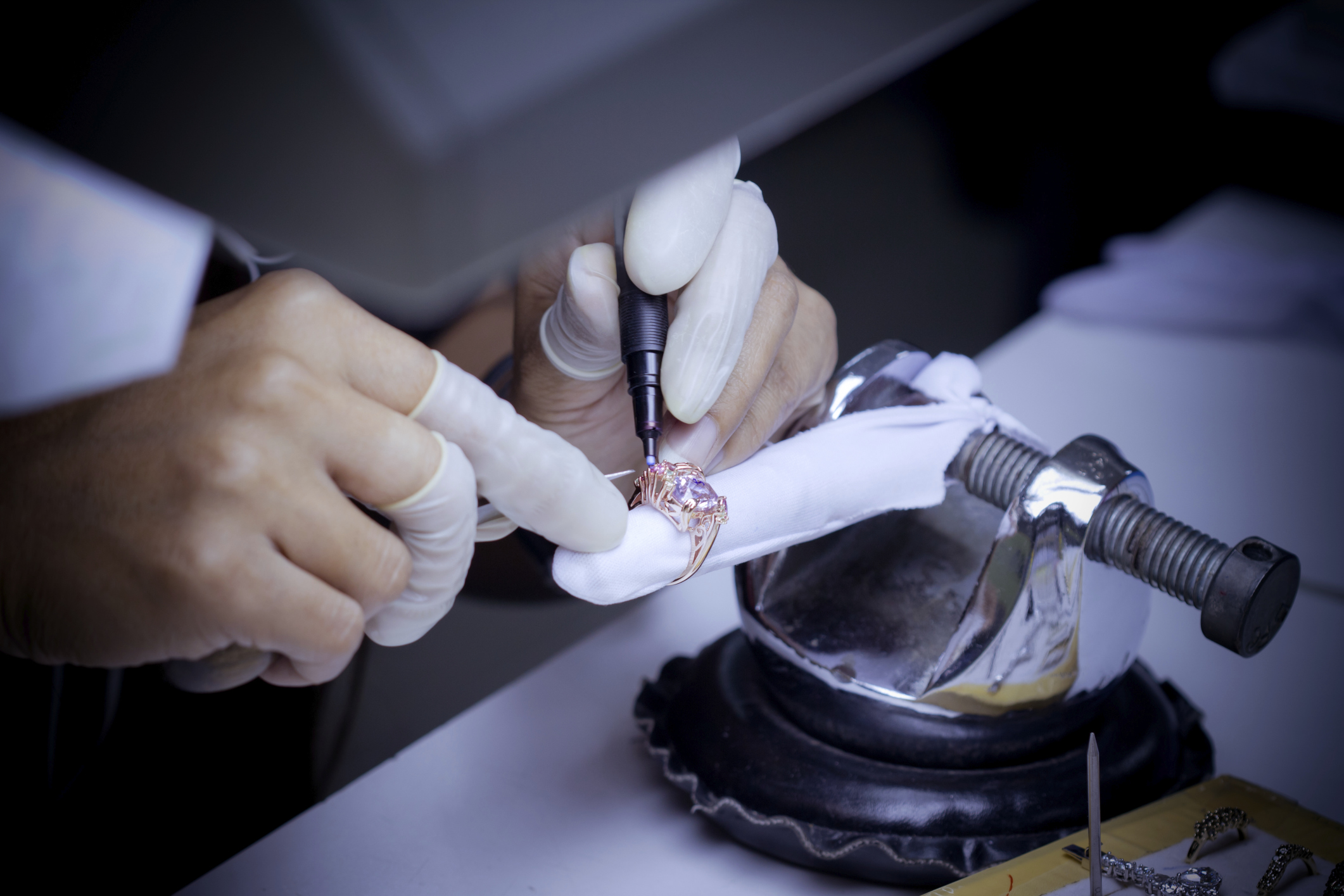
Ever wondered how much those skilled hands crafting beautiful jewelry actually earn? It's a question that pops into many minds, whether you're dreaming of a career surrounded by sparkling gems, trying to figure out the price of a custom piece, or simply curious about the economics of the jewelry world. Let's delve into the fascinating topic of jewelers' salaries and uncover what influences their income.
The beauty of understanding jewelers' earnings lies in its usefulness for different audiences. For beginners considering a career in jewelry making or design, knowing the potential salary range is crucial for career planning. It helps you assess the financial viability of pursuing this path and set realistic expectations. For families, understanding the markups and costs associated with jewelry can be helpful when making significant purchases, allowing you to negotiate effectively and appreciate the value of the craftsmanship involved. And for hobbyists, exploring the professional side of jewelry making can inspire you to turn your passion into a profitable side hustle or even a full-time business.
So, what's the general picture? Jewelers' salaries can vary widely depending on several factors. Experience is a major one. A newly graduated apprentice will naturally earn less than a master goldsmith with decades of experience. Location also plays a role; jewelers in major metropolitan areas with a high cost of living tend to earn more than those in smaller towns. Specialization is another key factor. A bench jeweler who primarily repairs jewelry might earn differently than a designer creating high-end custom pieces or a gemologist appraising valuable stones.
Must Read
For example, a bench jeweler starting out might earn around $30,000 per year. With experience and specialized skills, this could climb to $50,000 or even $70,000. A designer working for a prestigious brand or running their own successful business could earn significantly more, potentially reaching six figures. Gemologists, especially those with expertise in rare and valuable stones, are also in high demand and can command higher salaries. It's also worth noting that many jewelers are self-employed, so their income depends directly on their business's success.

Want to get started in the world of jewelry? Here are some simple, practical tips: First, consider taking introductory jewelry making classes. Many community colleges and art centers offer affordable courses. Second, explore apprenticeships with established jewelers to gain hands-on experience and learn the trade. Third, build a portfolio of your work to showcase your skills and attract clients. Fourth, network with other jewelers and industry professionals to learn from their experiences and build connections. Finally, never stop learning. The world of jewelry is constantly evolving with new techniques and technologies, so continuous learning is essential for success.
Exploring the financial side of jewelry making is not just about the numbers; it's about appreciating the value of craftsmanship, understanding the market dynamics, and empowering yourself to make informed decisions, whether you're considering a career, making a purchase, or simply pursuing a rewarding hobby. So, embrace the sparkle, delve into the details, and discover the captivating world where art and economics intertwine.