
How Much Longer Will Coal Last
Alright, grab your imaginary latte and settle in, because we need to talk about something that's been around longer than your grandma's secret fruitcake recipe: coal. You know, that chunky, black stuff we used to fuel, well, pretty much everything for centuries. The big question these days isn't "what is it?" but rather, "is it finally packing its bags for good?"
Let's be honest, for many of us, coal feels like a relic. Something out of a Dickens novel, or maybe that weird lumps-of-coal punishment Santa used to dish out. We hear about solar panels, wind farms, electric cars, and you might think coal is already having its quiet retirement party in some forgotten corner of the energy grid.
Surprise! Not so fast, my friend. Coal, bless its sooty heart, is like that incredibly stubborn old uncle who insists on staying at the party long after everyone else has gone home and the hosts are already doing the dishes. It’s still a massive global player. Seriously, it fuels a significant chunk of the world's electricity. Places like India and China, especially, are still very much in a committed relationship with the stuff. Even today, coal generates over one-third of the world's electricity.
Must Read
Why Won't It Just Quit Already?
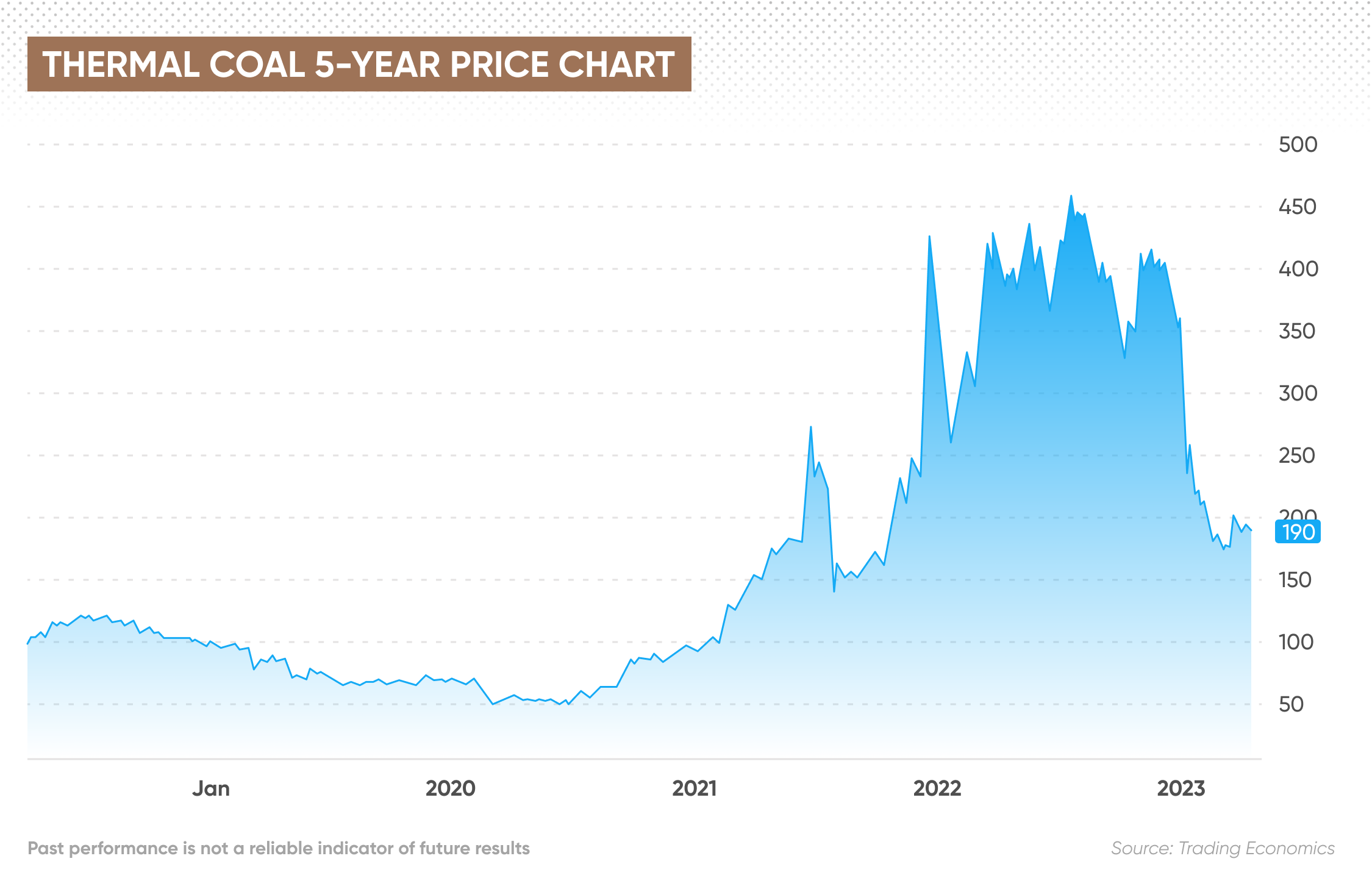
Good question! It’s not just stubbornness. For one, it’s often cheap. Like, "bargain bin" cheap in many places, especially if you've already got the mines and power plants running. Building a shiny new solar farm or nuclear plant? That's a big upfront investment. A coal plant? It's often already there, humming along, sending fumes into the sky, but crucially, sending electricity to your toaster at a price point that makes economists swoon (and environmentalists weep).
Plus, it’s reliable. The sun doesn't always shine, the wind doesn't always blow, but coal... well, you just keep shoveling it in. It’s a bit like that old faithful car that might not be pretty, might guzzle gas, but dang it, it starts every time.
The Big Climate Elephant in the Room
However, the party for coal is definitely winding down. And the bouncer, in this case, is climate change. We've known for a while that burning coal is a major culprit in greenhouse gas emissions. It's like that loud, boisterous guest who's fun for a bit but then starts ruining the furniture. Governments and corporations worldwide are under increasing pressure to ditch the dirty fuel. It's not just "nice to have clean air" anymore; it's an existential necessity.
And here's where the plot thickens: renewables are getting cheaper, fast. Like, "used to be a fancy gourmet meal, now it's cheaper than fast food" cheap. Solar panels and wind turbines are no longer niche, expensive alternatives; they're becoming the economically sensible choice for new energy production in many parts of the world. This is a game-changer, making coal look less like a bargain and more like a liability.
So, How Long Is This Farewell Tour?
Ah, the million-dollar question! Or rather, the trillion-ton question. The short answer: it depends. The longer, more annoying answer: it’s going to be a slow, staggered exit, not a sudden curtain call. Think of it less as a supernova and more like a slowly deflating balloon. A particularly lumpy, black balloon.

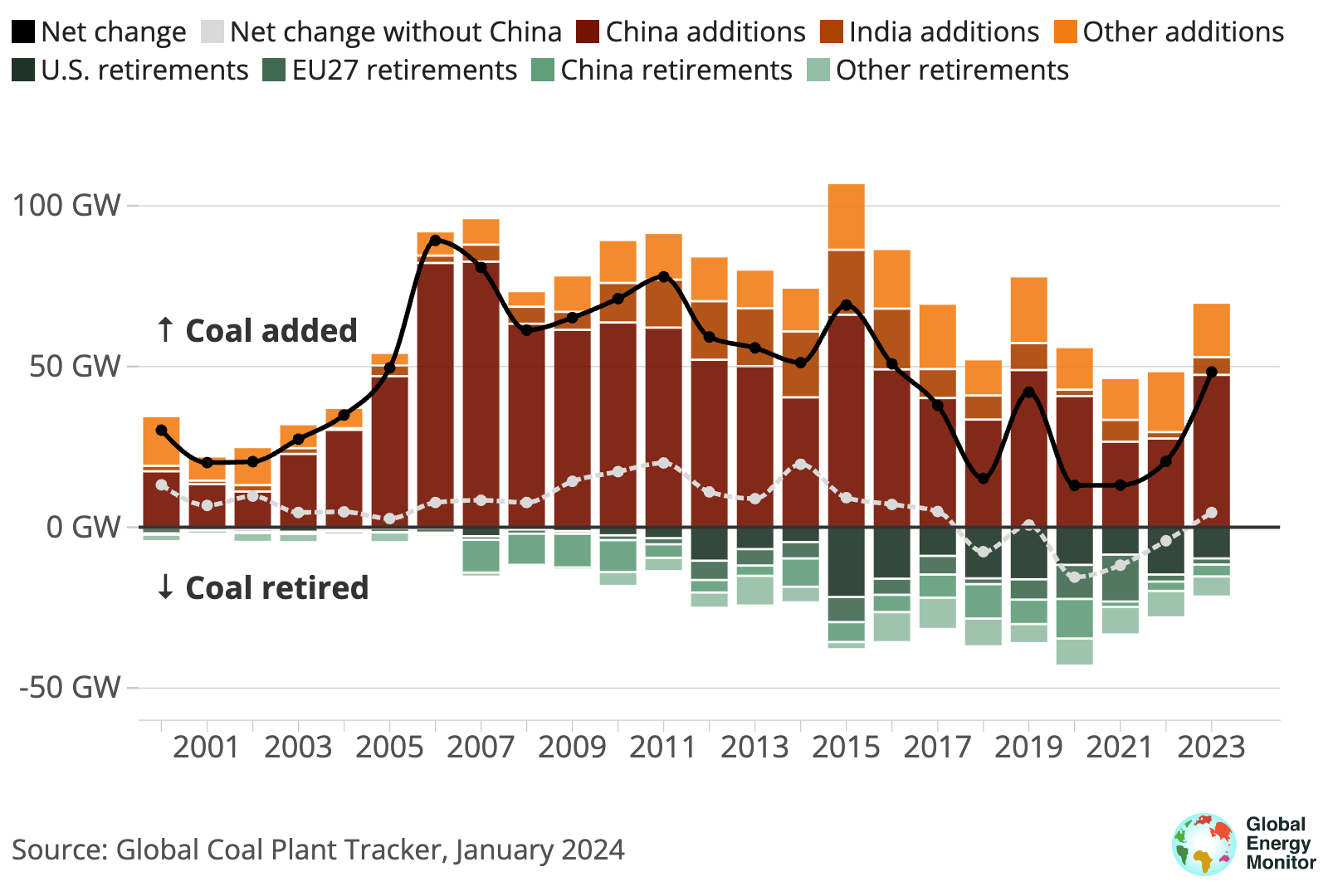
In places like the US and Europe, coal is already on its way out the door, though perhaps with a few lingering goodbyes at the threshold. Many plants are being shut down or converted. We’re talking decades, not centuries, for its significant contribution to dwindle. Some projections even suggest a 90% decline in these regions by 2030 or 2040. That's practically tomorrow in energy terms!
But then you look at Asia, particularly countries like China, India, and Indonesia, which have rapidly growing energy demands and still rely heavily on their abundant domestic coal reserves. Here, coal's lifespan is expected to be considerably longer, possibly through the mid-century and beyond. They're trying to pivot, building renewables at an astonishing rate, but their energy appetites are enormous, and coal is a readily available snack.
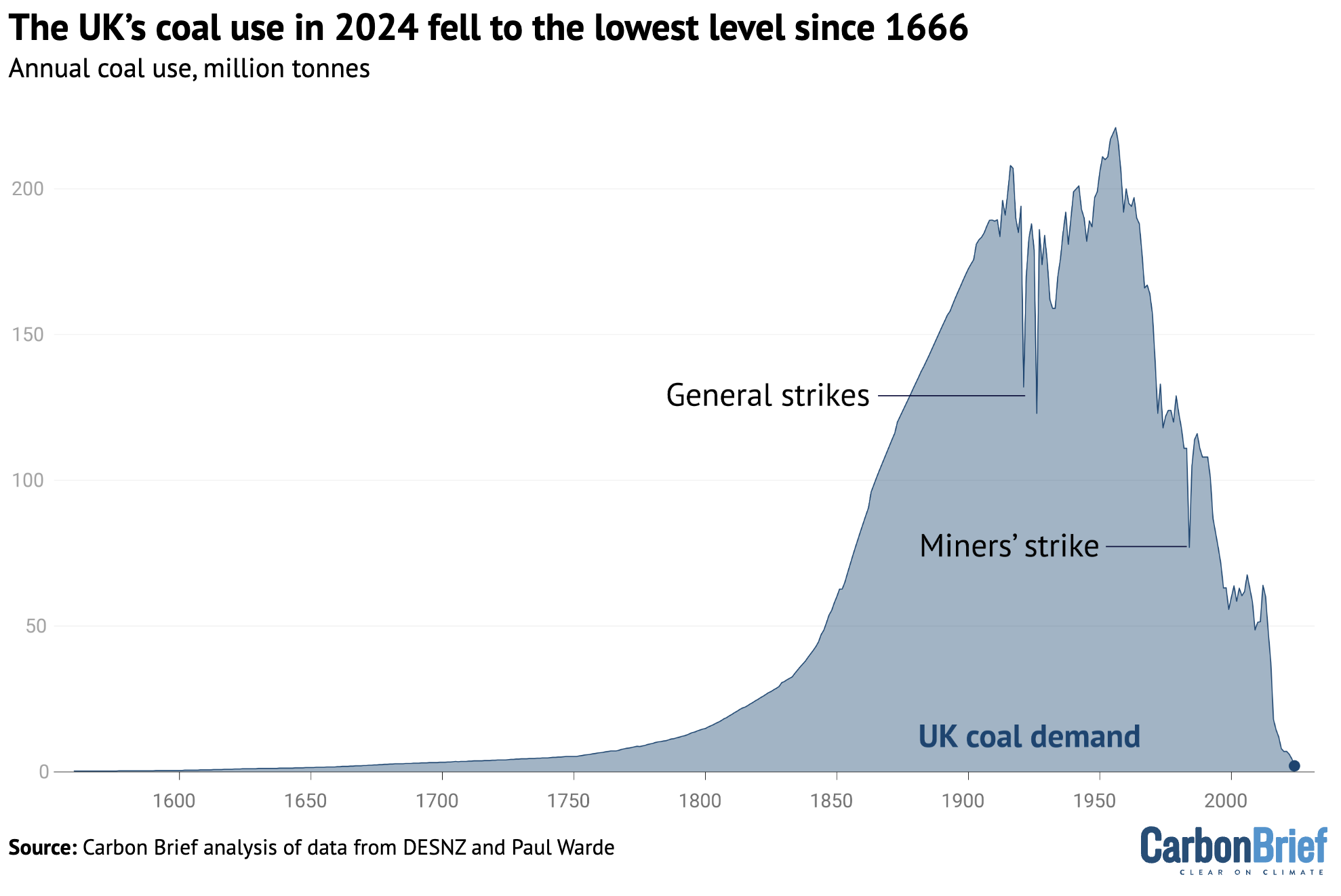
Some optimistic scenarios (or pessimistic, depending on your view) suggest that by 2050, coal could be a mere shadow of its former self globally, perhaps only contributing a tiny fraction to the world's energy mix. Others predict it will hang on in some capacity for much longer, maybe even until the end of the century in certain niche applications or very specific regions, like a stubborn house guest who just won't take the hint.
"Clean Coal"? The Unicorn of Energy
You might have heard the term "clean coal." Sounds great, right? Like "fat-free bacon" or "silent toddlers." The idea is to capture carbon emissions before they hit the atmosphere. While the technology exists, it's generally expensive and not widely deployed. It's often seen as a way to extend coal's life, but it faces significant economic and technical hurdles. For now, it remains somewhat of an energy unicorn – beautiful in theory, but rarely spotted in the wild.
So, what’s the takeaway? Coal isn't getting a sudden eviction notice; it's more like a very long, very drawn-out negotiation for its retirement package. It's been a workhorse for humanity, a true veteran, but its era of dominance is definitely fading. While it won't vanish overnight, especially in parts of the world still playing catch-up, its days as the undisputed king of energy are numbered. Just don't expect it to leave without a few more dramatic puffs of smoke.
