
How Much Kw Does A House Use
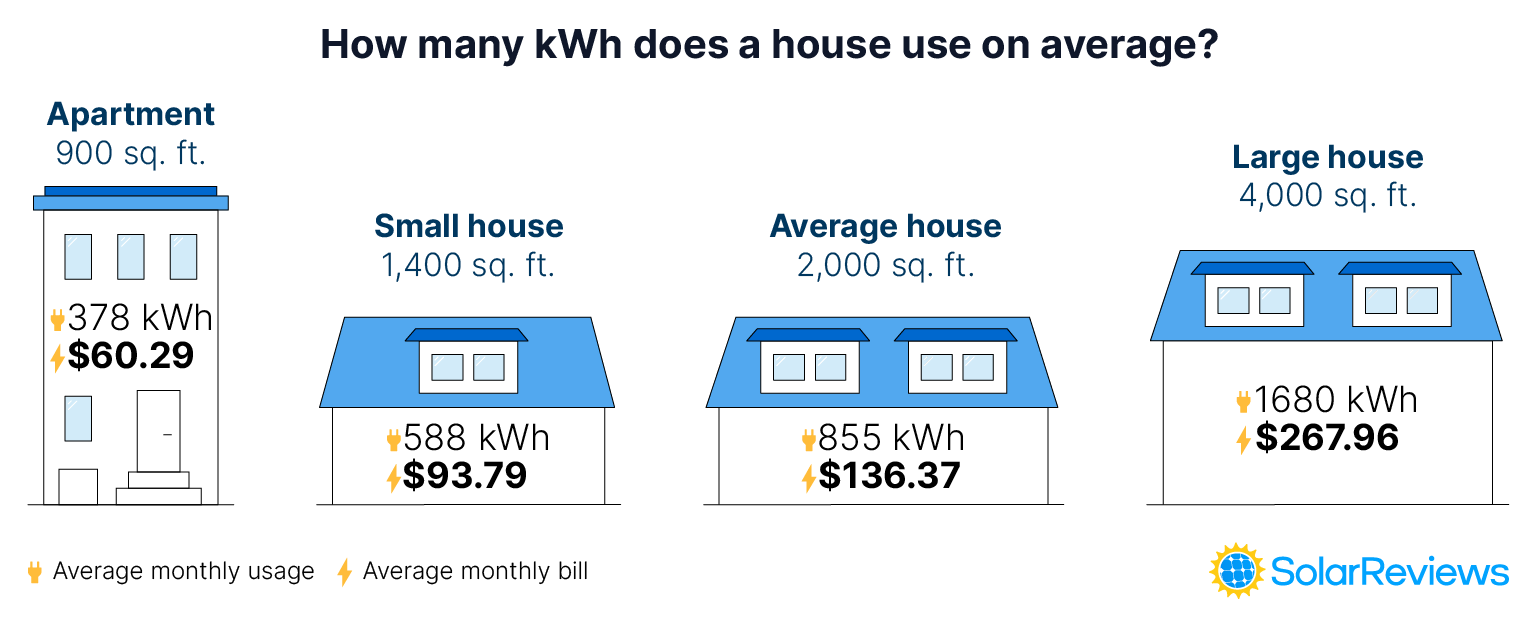
Ever stop to wonder what your house is really up to when you’re not actively flicking switches or running the washing machine? It's kind of like thinking about a sleeping giant, isn't it? What's its heartbeat? What’s its appetite? We’re talking about how much energy your home uses, often measured in something called kilowatts (kW). It might sound a bit technical, but trust me, it’s actually a really fascinating peek into the hidden life of your living space.
So, What Exactly Is a Kilowatt?
Alright, let’s get this out of the way simply. Imagine energy like water flowing through a pipe. A kilowatt (kW) is the rate at which the water flows right now – it’s a measure of power. Your electricity bill charges you for kilowatt-hours (kWh), which is the total amount of water that flowed over time. Think of kW like a car’s speed (how fast it’s going at this moment), while kWh is the total distance traveled.
So, when we talk about "how much kW a house uses," we're really asking: how much power is it drawing at any given moment? And this number is constantly fluctuating, like a wild, invisible dance party happening behind your walls!
Must Read
The Big Picture: What's a Typical House's Appetite?
This is where it gets super interesting, because there’s no single, simple answer. Your house isn't a factory-made robot that always consumes the same amount. It's more like a unique ecosystem!
On average, a typical American home might consume anywhere from 1 kW to 3 kW on average at any given moment during the day. But that’s a huge generalization! This figure can spike dramatically when you turn on big appliances. Think of it like a human's resting heart rate versus their heart rate during a sprint.
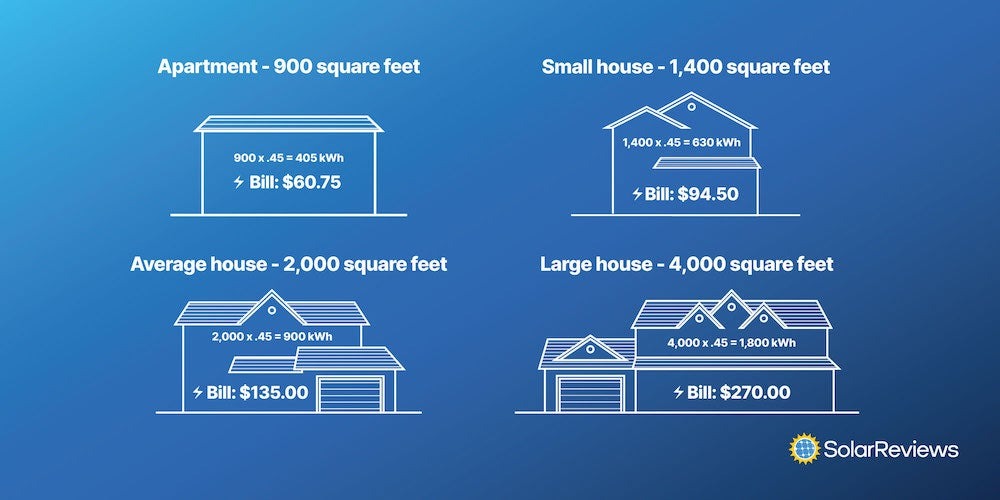
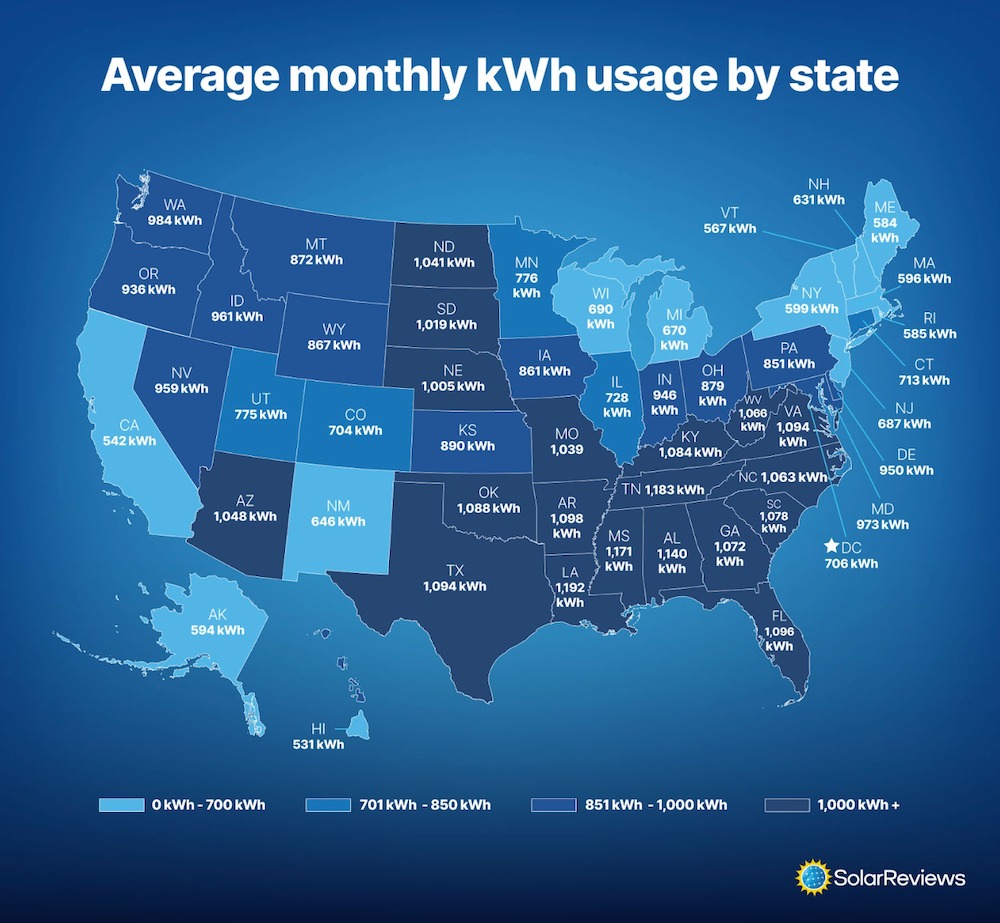
In terms of total energy over time (kWh, remember?), a typical U.S. home uses around 800 to 1,000 kWh per month. That’s a lot of energy! To put it in perspective, that's like thousands of light bulbs running for an hour each month. Crazy, right?
Who Are the Energy Hogs and Sippers?
Ever wondered which appliances are the greedy goblins and which are the quiet mice in your home's energy kingdom?
- The Hogs: Appliances that generate heat are almost always the biggest energy guzzlers. Your electric water heater? A behemoth, easily pulling 3-5 kW. An electric oven or stove can also gobble up 2-4 kW per element. The clothes dryer? Another big one, often 2-5 kW. And, of course, your air conditioner or electric furnace can be massive, potentially drawing anywhere from 3 kW to a whopping 10+ kW. These are the equivalent of your house doing a full-on CrossFit workout!
- The Sippers: On the other end of the spectrum, you have the gentle sippers. A modern LED light bulb uses a mere 0.005 - 0.01 kW. Your laptop charger sips around 0.05 - 0.1 kW. Even a large flat-screen TV might only draw 0.1 - 0.2 kW when it's on. These are like your house meditating quietly.
- The Steady Munchers: Then there are the appliances that are always on, quietly munching away. Your refrigerator is a prime example. While it cycles, its compressor might draw 0.1 - 0.2 kW when active, but since it’s running all day, every day, its cumulative usage adds up significantly. It's the silent, consistent eater at the energy buffet.
What Makes Your House's Energy Footprint Unique?
So many things influence your home's energy dance!
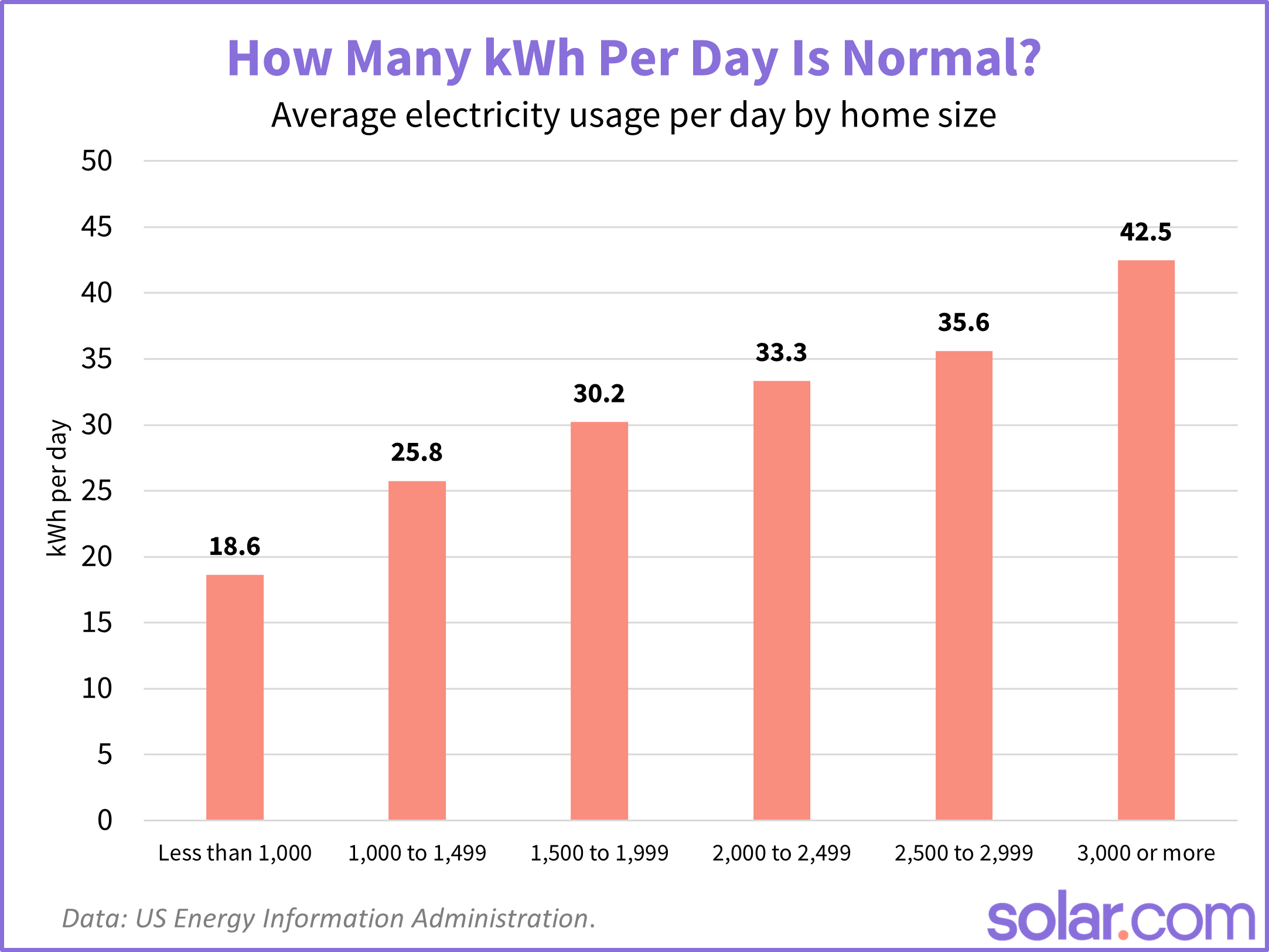
- Size of your Castle: Bigger homes usually need more energy to heat, cool, and light.
- Number of Knights & Ladies: More occupants often means more showers, laundry, and devices charging.
- The Great Outdoors: Hot summers mean AC; cold winters mean furnaces. Your climate is a massive factor.
- Your Home's Age & Health: An older, poorly insulated home constantly loses energy, unlike newer, well-sealed ones.
- Your Lifestyle Choices: Every habit adds up, from lights left on to long, hot showers!
Why Should You Even Care About Your House's kW?
Beyond just satisfying a quirky curiosity, understanding your home's energy usage is actually pretty empowering!
First, it hits your wallet. Higher kW usage translates directly to higher electricity bills. Knowing which appliances are the heaviest users can help you make smart choices about when and how to use them.
Second, it impacts our planet. A significant portion of electricity still comes from burning fossil fuels, contributing to carbon emissions. Reducing your home's energy footprint is a direct way to be more environmentally friendly.
Third, it just makes you a smarter homeowner. You gain a deeper appreciation for the invisible forces at play in your home and can make more informed decisions about upgrades or habits.
Becoming an Energy Detective: How to Spy on Your House's Habits
Want to get a closer look at your own home's energy ballet?
- Smart Meters: Many homes now have smart meters that can give you real-time data on your energy usage, sometimes even by the hour! Check with your utility company.
- Energy Monitors: You can buy plug-in energy monitors that tell you exactly how much power a specific appliance is using. It’s super fun to plug in your toaster and watch the numbers jump!
- Your Electricity Bill: While it usually shows kWh, looking at trends over months can tell you a lot. Do your bills spike in summer or winter? That points to heating/cooling as your biggest user.
A Few Chill Ways to Tame the Energy Beast
If you feel like your house is chugging down too much juice, here are some relaxed, easy wins:
- Embrace LEDs: If you haven't swapped out old incandescent bulbs for LEDs, you're missing out on huge savings. It's like replacing a gas guzzler with an electric scooter!
- Unplug the Vampires: Many electronics draw a tiny bit of power even when turned off (think phone chargers, TVs in standby). Unplug them or use power strips you can switch off.
- Mind Your Thermostat: Small adjustments can make a big difference. A degree or two warmer in summer, cooler in winter, when you're away or sleeping, really adds up.
- Seal Up the Leaks: Drafty windows and doors are like leaving money out in the rain. A bit of weatherstripping or caulk can work wonders.
Ultimately, understanding how much kW your house uses isn't just about numbers; it's about understanding the invisible currents that power your daily life. It's a journey into the hidden world of your home, and honestly, that’s pretty cool! So next time you flip a switch, give a little nod to the fascinating energy dance happening all around you.