How Much Is Gas And Electric And Water Per Month
Ever wonder where your money really goes each month? Beyond rent or mortgage, a big chunk often disappears into… thin air! We're talking about utilities: gas, electric, and water. Figuring out how much these cost isn't just about knowing the numbers; it's about gaining control of your budget and making smart choices. Plus, who doesn't love a little financial detective work?
So, why should you care about your monthly utility bills? Well, it depends on who you are. If you're a beginner, just starting out on your own, understanding these costs is essential for budgeting and avoiding nasty surprises. For families, knowing your average consumption can help you identify areas where you can cut back and save for that vacation or college fund. And for the hobbyists among us – the gamers, the crafters, the home brewers – understanding how your hobbies impact your electricity and water usage is key to keeping things sustainable and affordable.
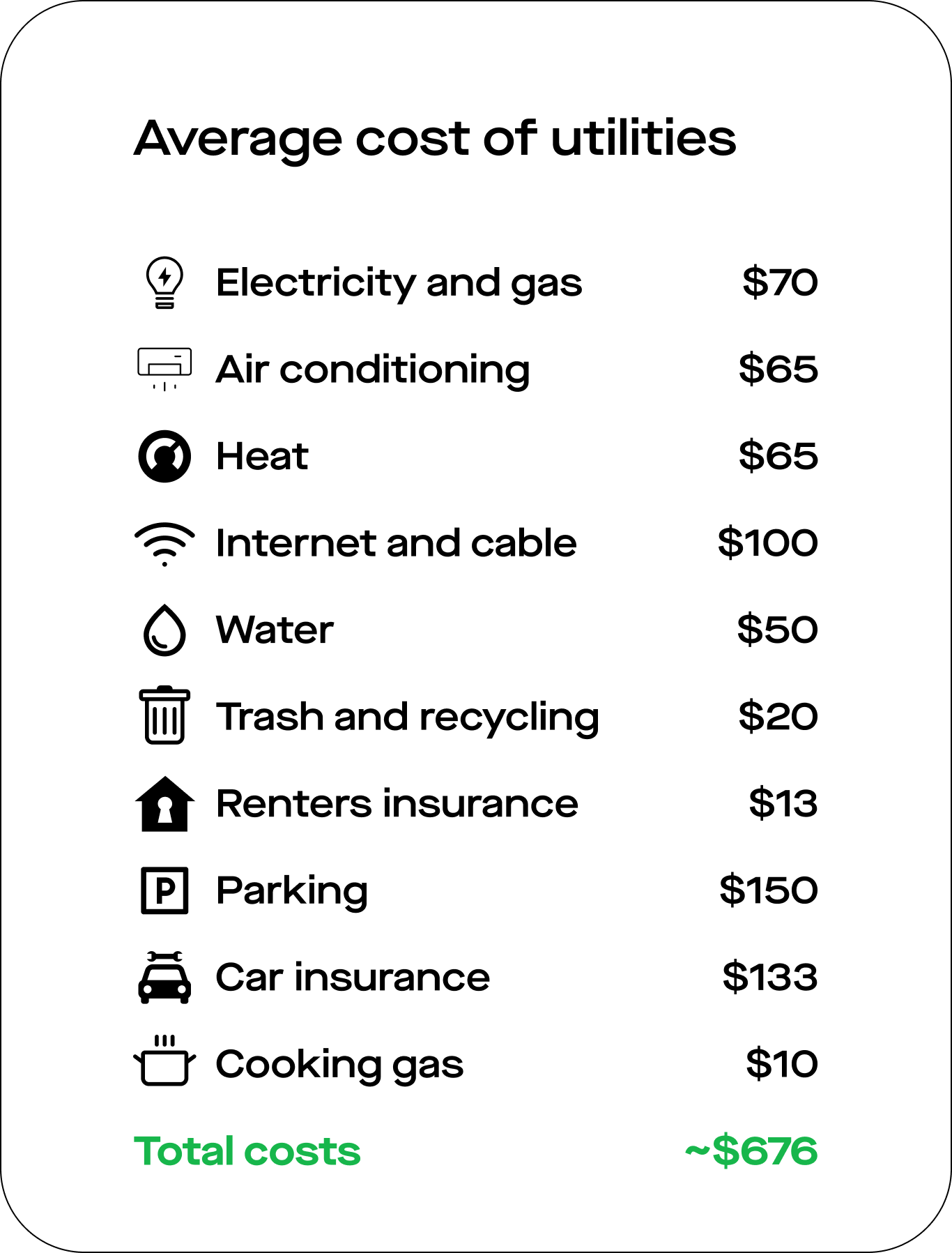
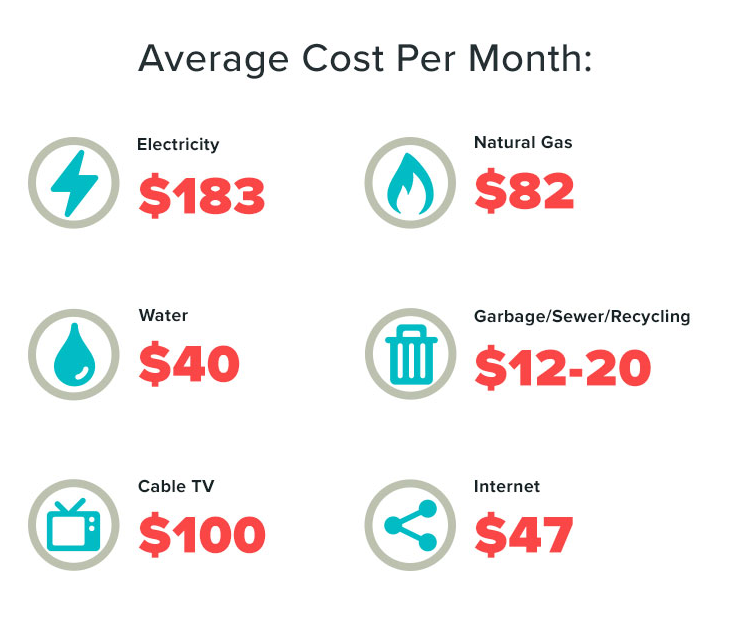
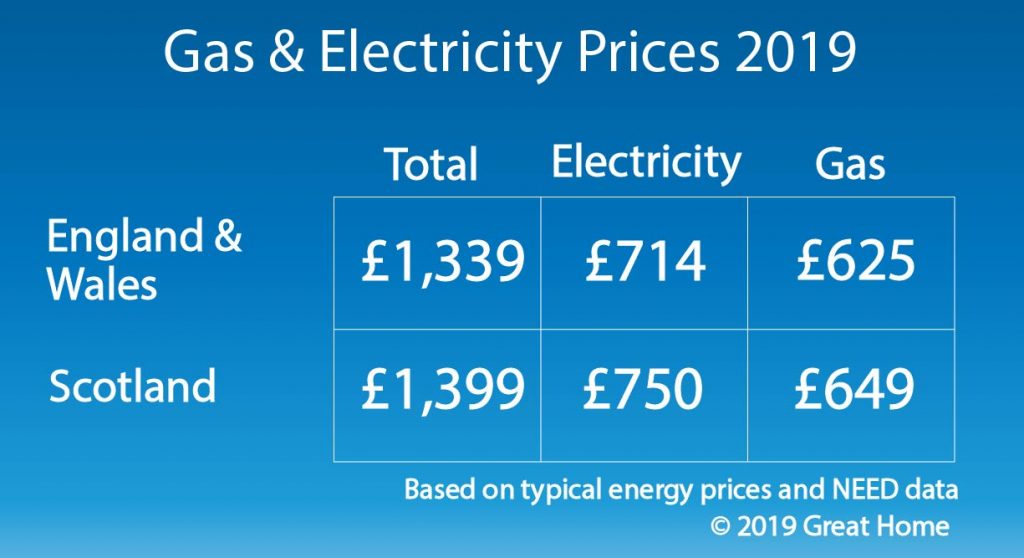
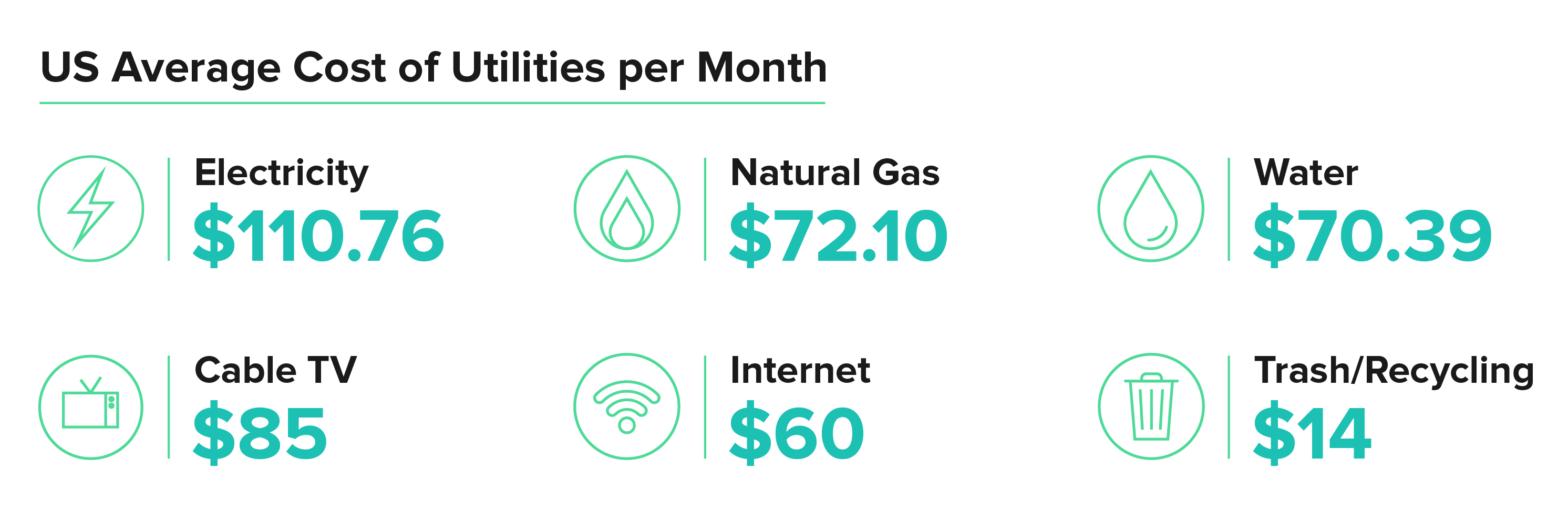
The truth is, there’s no one-size-fits-all answer to the question, "How much are gas, electric, and water per month?" It varies wildly based on several factors: your location (climate!), the size of your home, your lifestyle, and even the efficiency of your appliances. For instance, someone living in a small apartment in a mild climate might pay significantly less than a family in a large, older house in a place with scorching summers or freezing winters. Expect to pay anything from $50 to $200+ for electricity, depending on air conditioning and heating needs. Gas bills are similarly variable, and water bills often depend on local rates and watering habits. Some people will run window AC units so their electric bill is low, but that also means it's not cooling the whole house.
Must Read
Let's break it down with some examples. Imagine a single person in a 700-square-foot apartment in a city. They might average around $75 for electricity, $30 for gas (mostly for cooking and hot water), and $40 for water. Now, picture a family of four in a 2,000-square-foot house in a colder region. Their electricity could easily be $150 or more, gas might spike to $100+ in winter for heating, and water could be $60+, especially if they have a lawn. These are just estimates, of course, but they illustrate the range.
Ready to take charge of your utility bills? Here are some simple tips to get started: First, track your usage. Most utility companies offer online portals where you can view your past bills and monitor your consumption. Second, identify energy-guzzlers. Unplug appliances when not in use, switch to LED light bulbs, and consider upgrading to energy-efficient appliances when the time comes. Third, conserve water. Take shorter showers, fix leaky faucets, and water your lawn strategically. Simple changes can make a big difference, even consider turning off the lights when leaving a room, or unplugging things when leaving on vacation.
Ultimately, understanding your utility bills is empowering. It's not just about saving money (although that's a great perk!); it's about becoming more mindful of your consumption and making choices that align with your values. So, dive in, do a little research, and enjoy the satisfaction of knowing where your money is going… and how to keep more of it in your pocket!