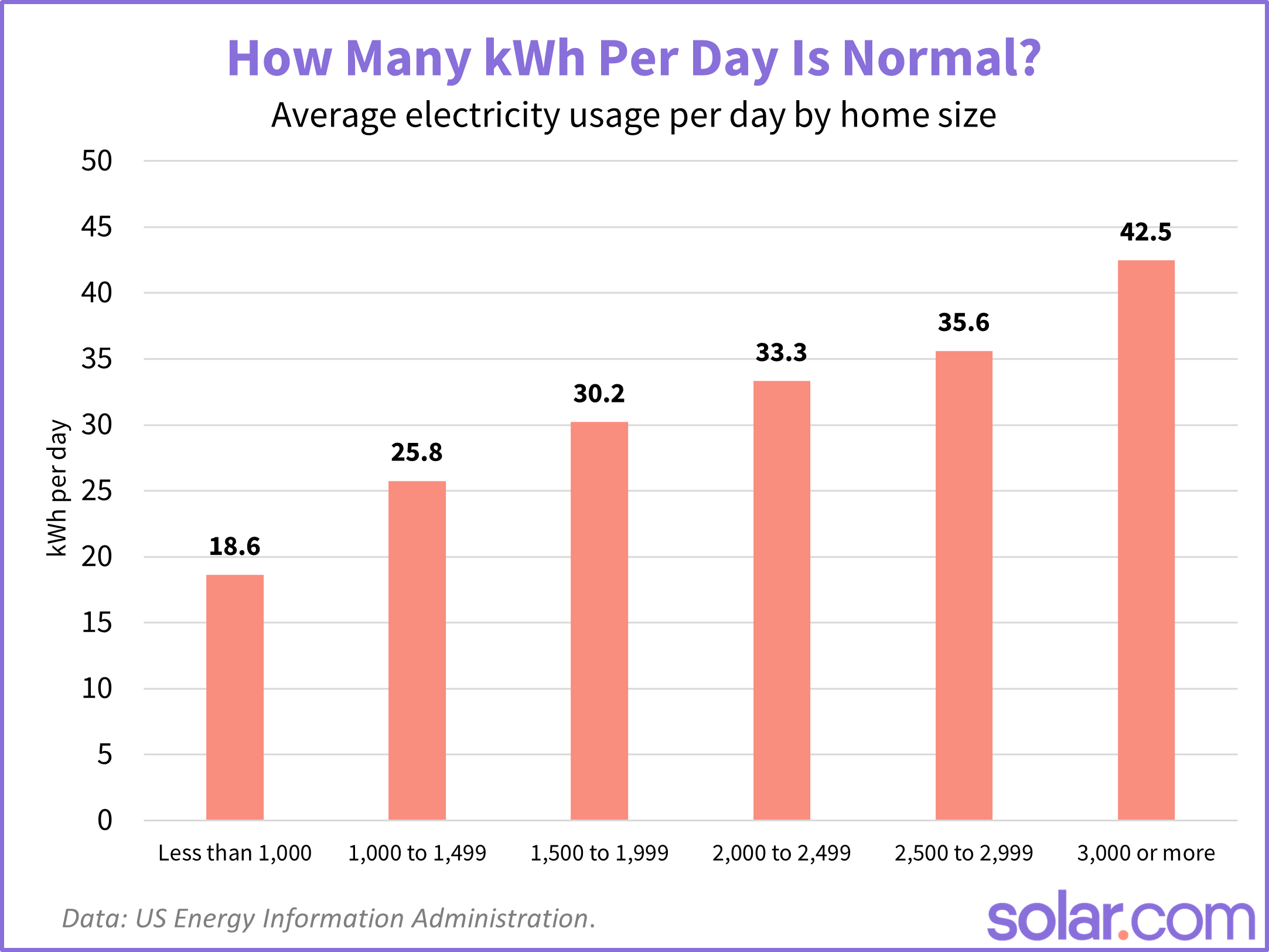
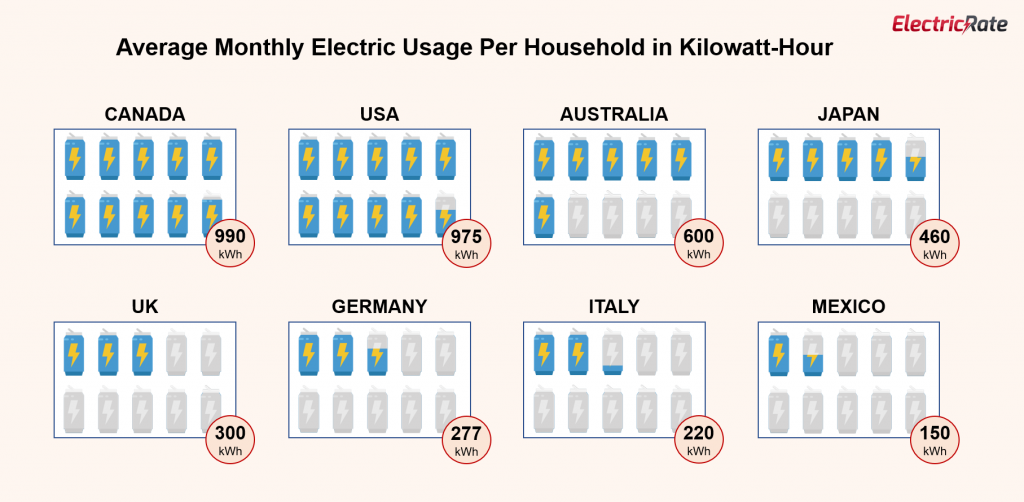
Ever stared at your electric bill, squinting at numbers like a detective at a crime scene? You’re not alone. It’s a document filled with mystery, especially when you hit that little acronym: kWh. You know it costs money. You know you use a lot of it (hello, air conditioning!). But how much, exactly, is electric per kWh? It feels like asking for the secret to eternal youth, or perhaps the exact weight of a cloud. It’s a bit of a trick question, really.
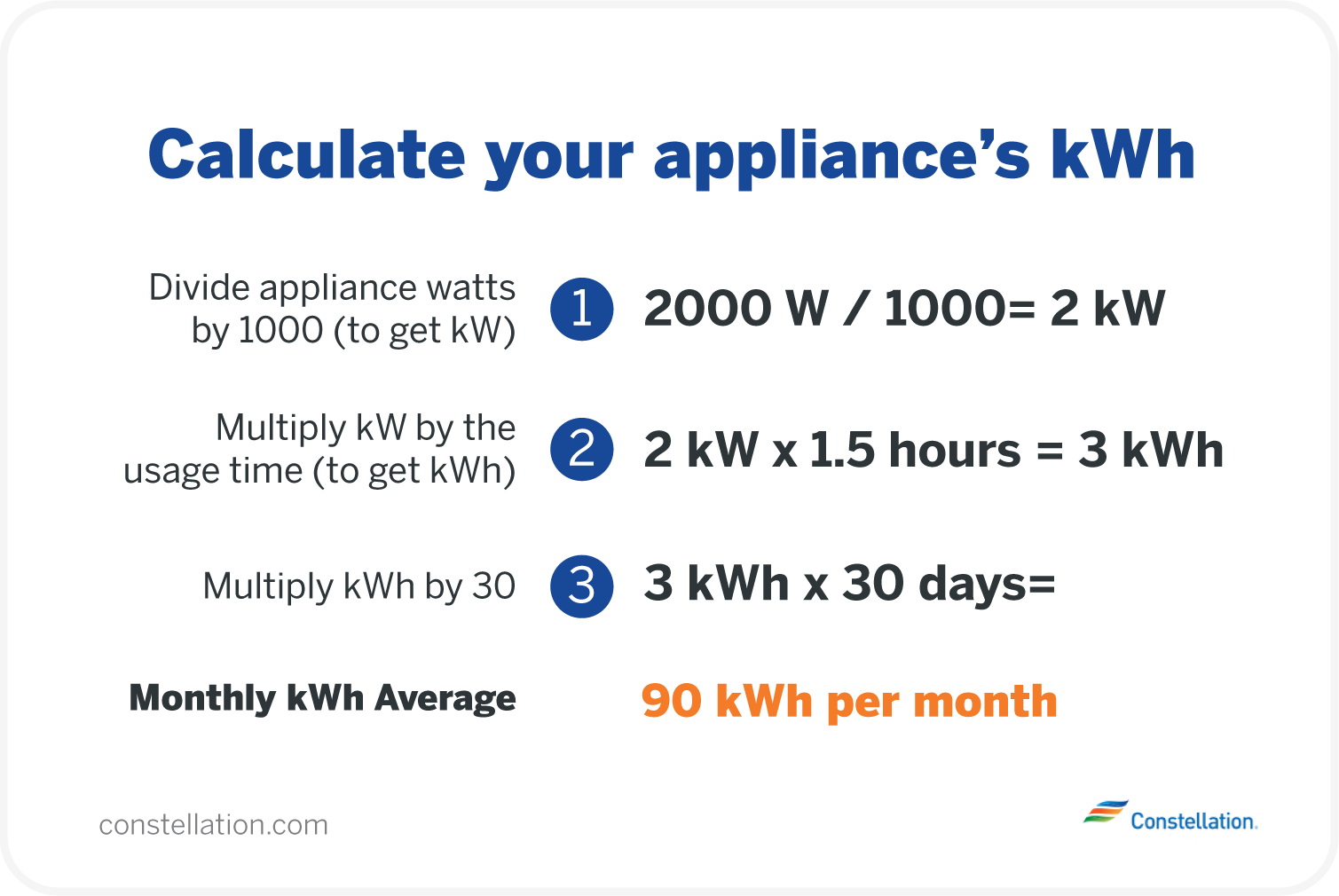
Let's demystify it just a smidge. A kWh, or kilowatt-hour, is simply a unit of energy. Think of it like a gallon of gas for your car, but for your toaster. Your big, power-hungry appliances munch through more kWh. Your tiny phone charger, not so much. Simple enough, right? Until you ask the price. Then, things get wonderfully, frustratingly fuzzy.
The Great kWh Price Reveal: It Depends!
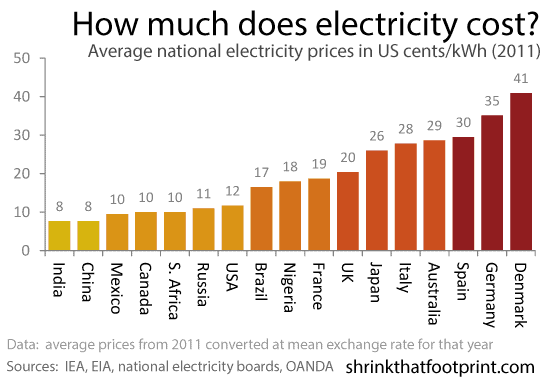
Ah, the big reveal! How much is electric per kWh? The short answer, the only answer, is: it depends! Yes, we know, utterly unsatisfying. It’s like asking how much a cup of coffee costs and being told, “Well, where are you buying it? What kind? Is it a Tuesday?” Your electricity rate is much the same. It’s not a fixed, universal truth etched in stone. It’s a dynamic, ever-shifting creature, much like your cat's mood.
Your geographic location is a huge player. Someone in sunny California might pay a different rate than someone in chilly New England. Even within the same state, rates can vary wildly from city to city, or even from one side of town to the other. It’s almost like utilities play a friendly, regional game of "How much can we charge for the same electrons?"
"Trying to pin down a universal kWh price is like trying to catch smoke with a net."
What Is a Kilowatt-Hour? | Constellation
Then there’s the whole "time of day" shenanigans. Many utility companies offer time-of-use rates. This means if you run your dishwasher at 3 AM, it might be cheaper than running it at 6 PM, when everyone else is also making dinner and watching TV. This is the utility company's subtle way of nudging you towards becoming a nocturnal appliance operator. Peak hours? Expect to pay a premium. Off-peak? Score! It's like a happy hour for your washing machine.
And let’s not forget your actual electricity provider. In some areas, you might have a choice, leading to a thrilling marketplace of competing rates. In others, you’re stuck with the local monopoly, which might feel a bit like dating the only person on an island. Plus, there are all sorts of delightful little fees and charges tucked into your bill. Delivery charges, transmission charges, taxes, sometimes even a "good weather" charge (okay, maybe not that last one, but it feels like it sometimes!). These add-ons bump up your overall cost, even if the base kWh rate seems okay.
What is a kWh? kW and kilowatt hour electricity costs explained
So, What's the Unpopular Opinion?
Here’s our slightly scandalous, delightfully unpopular opinion: for most of us, knowing the exact current price per kWh down to the fraction of a cent isn't really the game-changer we imagine. Because it's such a moving target, constantly changing due to factors beyond our control, obsessing over the precise number can be an exercise in futility. It's important to have a general idea, sure, but don't lose sleep over the exact decimal point.
What truly matters, and what actually empowers you, is focusing on your consumption. Instead of stressing about whether it's 12 cents or 14 cents per kWh today, think about how many kWh you're actually using. Turning off lights when you leave a room? Unplugging those sneaky "vampire" electronics that suck power even when off? Adjusting your thermostat by a degree or two? These everyday habits, these small acts of defiance against energy waste, make a much bigger difference to your bill than perfectly reciting your utility's current off-peak rate.
So, next time you eye your electric bill, give a knowing wink to that little "kWh" figure. It's a mysterious, shape-shifting entity, but you're now in on the joke. Don't chase the precise number, chase smart energy habits. And maybe, just maybe, run that dishwasher after midnight. Your wallet might just thank you with a whisper of savings.

.png)