
How Much Is Duke Energy Per Kwh
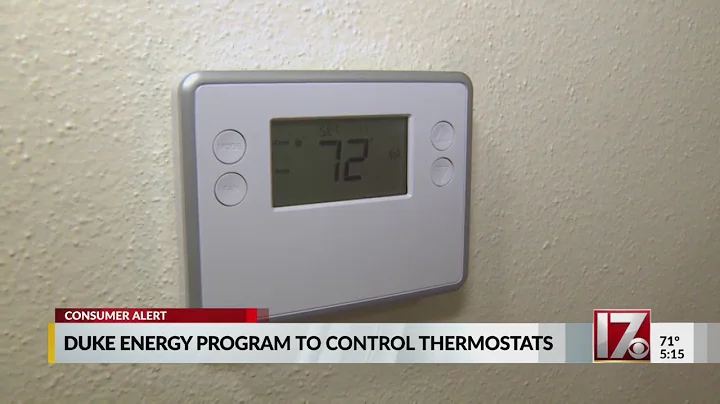
Ever stared at your Duke Energy bill and felt like you were trying to decipher ancient hieroglyphs? You're not alone! It’s easy to feel a little lost in the sea of numbers, charges, and acronyms. But there’s one tiny, powerful player on that bill that often gets overlooked: the kilowatt-hour, or kWh. Think of it as the secret handshake to understanding your energy costs.
Today, let’s pull back the curtain on this mysterious kWh, figure out what Duke Energy charges for it, and — most importantly — discover why giving it a little attention can actually save you some cash and make you feel a little smarter about your home energy use. Ready? Let's make electricity bills less intimidating and more like a friendly chat!
Understanding the Kooky kWh
First things first: what is a kWh? It sounds super technical, right? But it's actually pretty simple. Imagine you have a 1,000-watt appliance (that's 1 kilowatt). If you run that appliance for one full hour, you've used one kilowatt-hour (1 kWh) of electricity.
Must Read
Think of it like this: your oven might use about 2,000 watts. If you baked cookies for an hour, that's 2 kWh. Or, a typical LED lightbulb uses only about 10 watts. You could leave 100 of those bulbs on for an hour, and that would be 1 kWh! See? Some things gobble it up fast, others take their sweet time.
Essentially, the kWh is just a way to measure how much juice your gadgets are sipping (or chugging) over time. It’s the unit your electric company uses to charge you for the energy you consume, much like buying gas by the gallon or milk by the liter.

Duke Energy and Your Wallet: The Numbers Game
Alright, down to brass tacks: how much does Duke Energy charge per kWh? This isn't a single, magic number etched in stone, folks. It's a bit of a moving target, depending on a few things like:
- Where you live: Duke Energy operates in several states (like North Carolina, South Carolina, Florida, Indiana, Ohio, Kentucky), and rates vary by region.
- The time of year: Sometimes there are seasonal adjustments.
- Your specific rate plan: Some folks have flat rates, others might have time-of-use rates where electricity is cheaper at night.
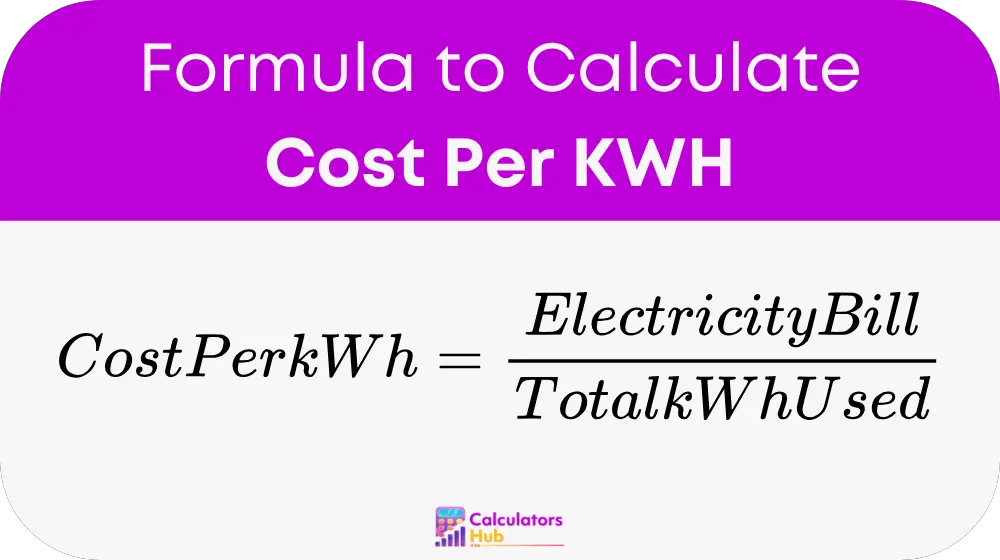
However, we can talk about a general ballpark. While you'll always want to check your specific bill for the exact details, Duke Energy's residential rates often hover somewhere in the range of around 10 to 15 cents per kWh. In some areas, it might be a little lower, in others, a little higher. For instance, in parts of North Carolina, you might see it closer to 12-13 cents per kWh. In Florida, it could be around 14 cents or more.
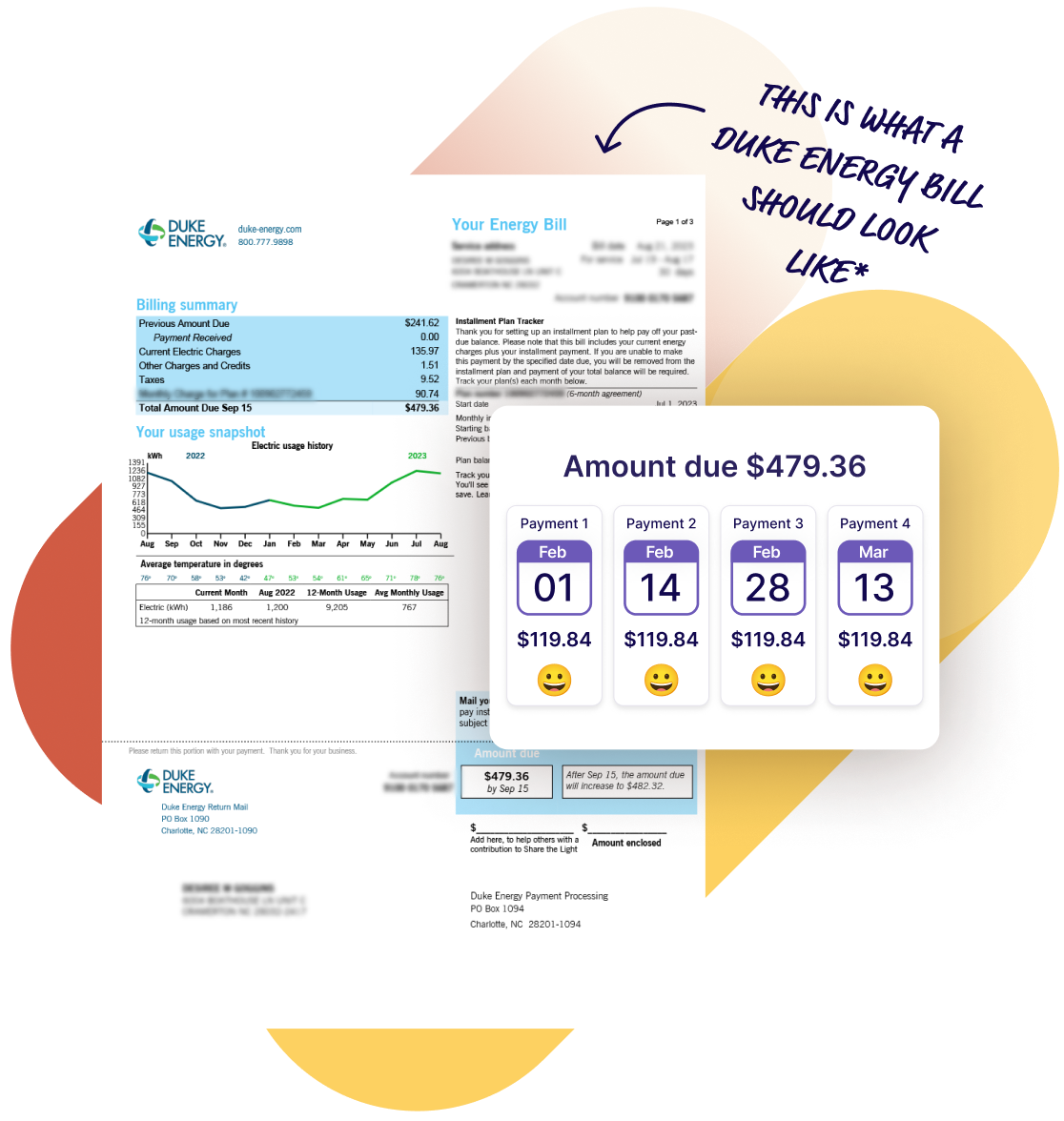
It's important to remember that this "per kWh" charge is usually part of a larger picture. Your bill also includes things like basic service charges, taxes, and other fees that ensure the power grid stays up and running. But the kWh charge is the one that really reflects how much electricity you're actually using.
Why This Tiny Number Matters (A Lot!)
Okay, so it’s roughly 10-15 cents per kWh. Big deal, right? Well, yes, actually! These little cents add up faster than you can say "energy efficient." Understanding this number gives you a little superpower – the ability to see how your daily habits translate directly into dollars on your bill.
The AC Monster Under the Bed
Imagine a hot summer day. Your air conditioner is humming, working hard to keep you cool. An average central AC unit can easily use 3,000-5,000 watts per hour. Let's say it's 4,000 watts (4 kWh) and runs for 8 hours. That's 32 kWh in one day! At 12 cents per kWh, that's almost $4 just for AC in a single day. Over a month, that's over $100 for your AC alone! Suddenly, setting the thermostat just a couple of degrees higher doesn't sound so bad, does it?
The Gaming (or Binge-Watching) Marathon
Are you or someone in your house a passionate gamer? A high-end gaming PC can pull 300-600 watts, plus the monitor, speakers, and maybe a streaming device. Let's average it to 500 watts (0.5 kWh) for a few hours. A six-hour gaming session is 3 kWh. Add that to a weekend of binge-watching your favorite show on a big-screen TV (around 100-200 watts, let's say 0.15 kWh for 10 hours = 1.5 kWh). These little entertainment moments, while fun, definitely add up. Knowing your kWh cost helps you appreciate the true price of that epic boss battle!

The Sneaky "Vampires"
Then there are the "vampire devices" – those chargers, TVs, and appliances that are plugged in and quietly sipping power even when they're turned off or not in use. Your phone charger left in the wall, that coffee maker displaying the time, the gaming console in standby mode. Individually, they're tiny sips. But collectively? They can account for 10-15% of your electricity bill! Each one adds a fraction of a kWh, minute by minute, day by day. Over a month, that's like finding extra charges on your grocery bill for items you didn't even buy.
Becoming a kWh Whisperer: Simple Tips
So, how can you use this newfound kWh knowledge to your advantage? It's all about making small, smart changes:
- Be a Thermostat Ninja: Adjust your thermostat a few degrees up in summer and down in winter. Even a tiny change can significantly reduce your AC/heating kWh consumption. Consider a smart thermostat that learns your habits!
- Unplug Those Vampires: Get into the habit of unplugging chargers and devices when not in use. Power strips with on/off switches are your best friend here.
- Light Up Smart: Switch to LED bulbs. They use a fraction of the watts (and thus kWh) compared to old incandescent bulbs and last ages.
- Full Loads Only: For your washing machine and dishwasher, wait until you have a full load. These appliances use a significant amount of energy (and water!) regardless of how full they are.
- Know Your Bill: Take a peek at your Duke Energy bill each month. Look at your total kWh usage and compare it to previous months. If it's suddenly much higher, that's your cue to investigate!
Your Power, Your Pennies!
Understanding "how much is Duke Energy per kWh" isn't about becoming an energy expert overnight. It's about gaining a little insight into how your home uses power and empowering you to make choices that benefit both your wallet and the planet. It’s about turning that mysterious bill into something you can actually understand and influence. So next time you flip a light switch or crank up the AC, you’ll have a clearer picture of those little kWhs at work. And that, my friends, is a truly powerful feeling!