
How Much Is An Average Gas Bill
Alright, let's talk about something that shows up in our mailboxes (or inboxes!) every month, often without us giving it much thought: the gas bill. Ever stared at it, a little bewildered, and wondered, "How much is everyone else paying?"
It's a curious thing, isn't it? Like a mysterious sum that just... happens. But what if we told you that understanding your gas bill is actually pretty cool? It's like unlocking a secret level of home economics!
What's the Deal with "Average," Anyway?
First off, asking for an "average gas bill" is a bit like asking for the "average price of a car." Are we talking about a zippy compact, a rugged pickup, or a luxury cruiser? See? It's complicated!
Must Read
There isn't one single, magic number that applies to everyone, everywhere. And that's actually the fun part! Your gas bill tells a unique story about your home, your habits, and even the weather outside.
Your Home's Unique Energy Story
Think of your home as having its own energy fingerprint. What makes it unique? Well, a bunch of stuff!
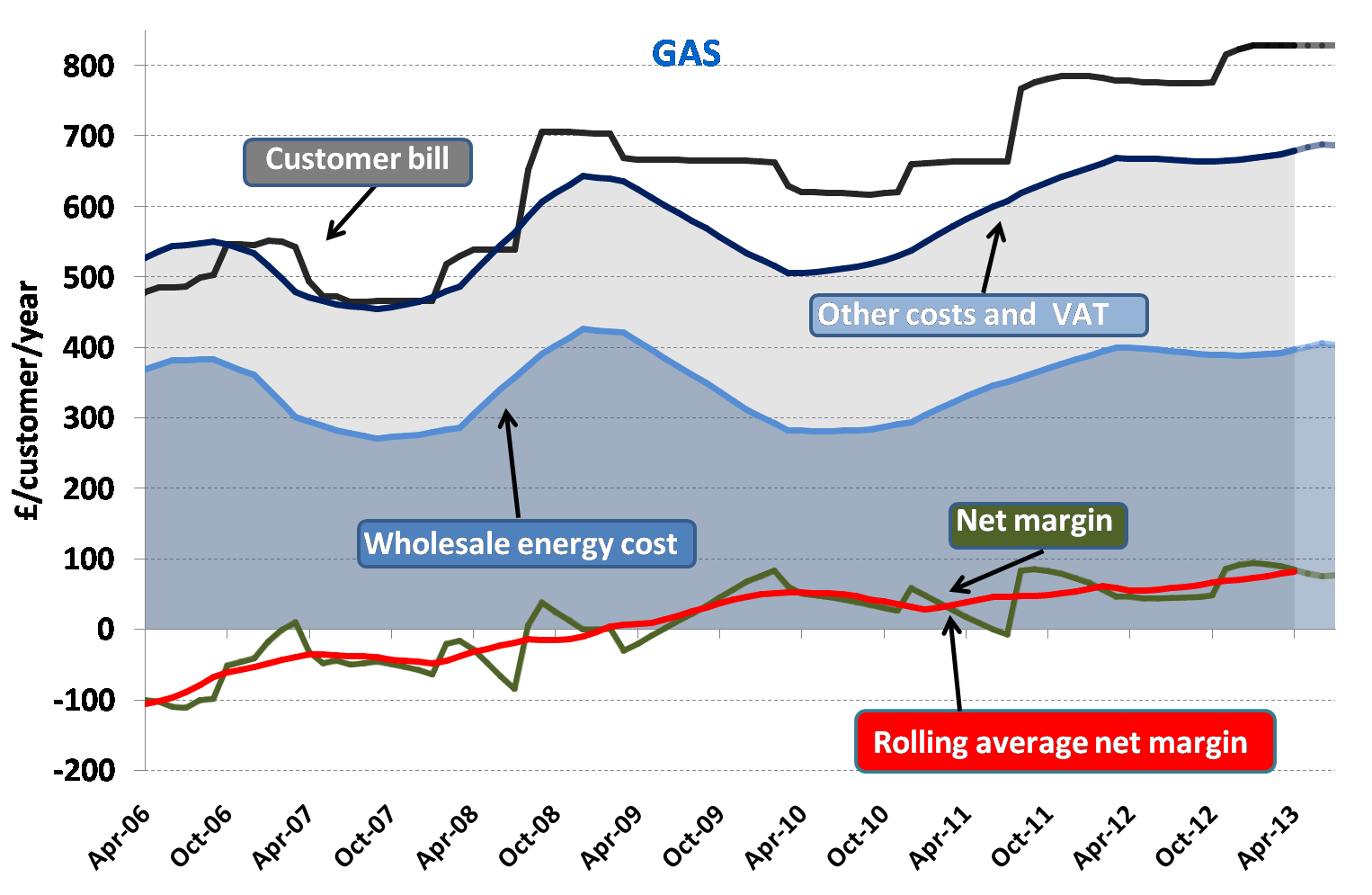
Where you live, for starters. Are you battling icy winters in Minnesota, or enjoying mild breezes in Florida? A big chunk of your gas bill typically goes towards heating. So, if your region requires more warmth, your bill will naturally be higher.
Then there's your actual digs. Is it a cozy one-bedroom apartment or a sprawling five-bedroom house? Bigger spaces generally need more energy to heat. How well is it insulated? Older homes with drafty windows and thin walls might be leaking heat (and money!) like a sieve.
What about your appliances? Does your furnace run on gas? How about your water heater, stove, or even your clothes dryer? Each of these sips (or gulps!) from your home's gas supply, adding to that monthly tally.
.jpg?sfvrsn=adcab20d_2)
And let's not forget your habits! Are you a fan of long, steamy showers? Do you keep your thermostat set to "tropical paradise" in January? Or are you the type who throws on a sweater and snuggles under a blanket? Your daily choices have a huge impact on that final figure.
So, What's the Actual Number? (Kind Of)
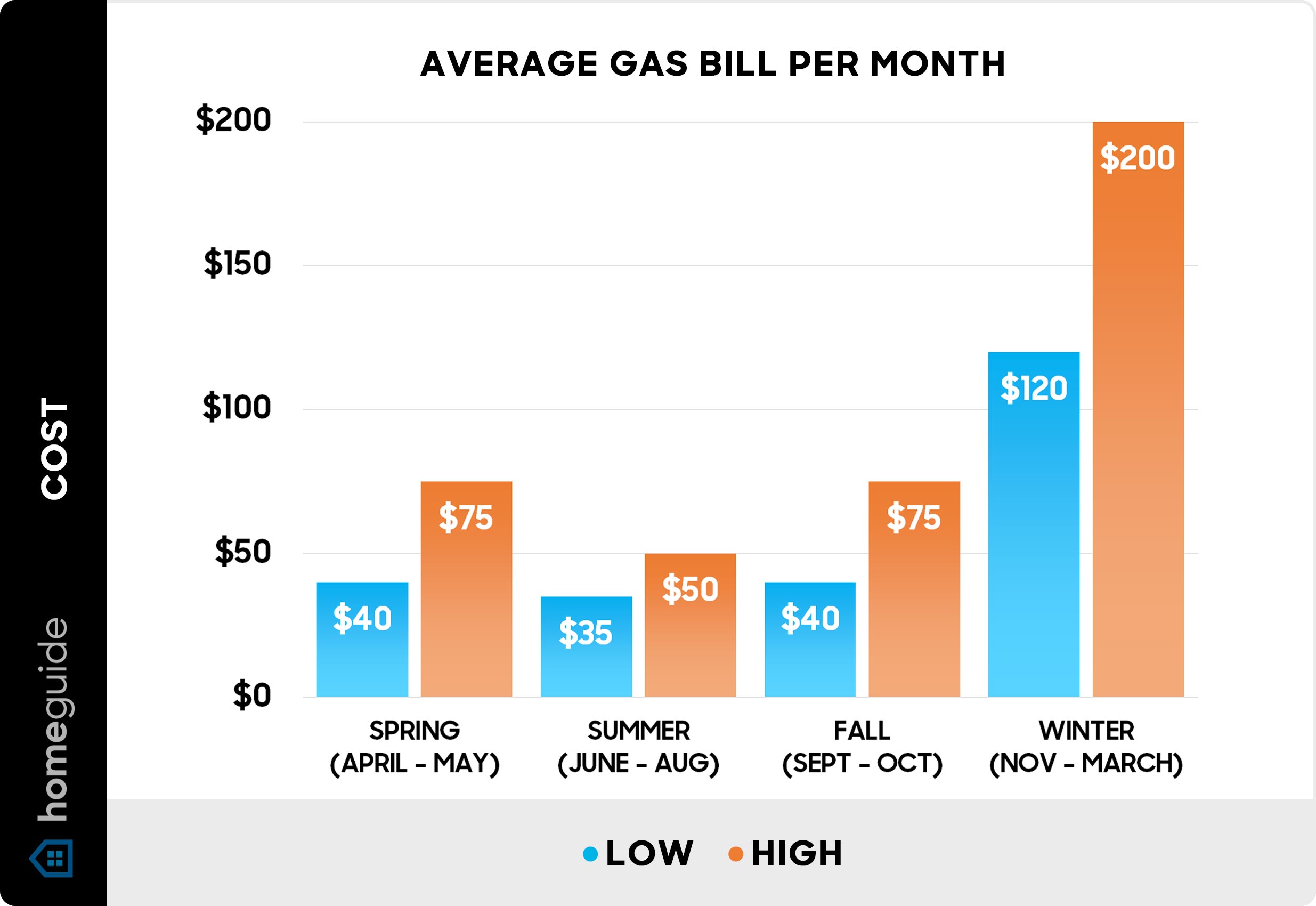
Okay, okay, you still want a ballpark, right? Nationally, for a typical residential household in the US, average monthly natural gas bills can range pretty widely. We're talking anywhere from $50 to $150 or more, especially during the peak heating months of winter.
During milder months, when heating isn't as critical, your bill might shrink to a modest $20 to $60, mostly covering things like hot water and cooking. But remember, these are just rough guides. Your actual experience could be totally different!

A great way to get a more accurate idea is to check out data from the U.S. Energy Information Administration (EIA) for your specific state or region. They often provide average residential energy prices and consumption figures, which can be super insightful.
Beyond the Bill: Why It's Pretty Interesting!
So, why should we care about this nebulous "average" gas bill? Because it's a window into your home's efficiency and your own energy consumption!
Think about it: Is your gas bill more than your daily fancy coffee habit? Or perhaps equivalent to a monthly streaming subscription... or two? Comparing it to other discretionary spending can put things into perspective. It's not just a utility; it's a budget line item that you can influence!
Understanding your bill isn't just about saving a few bucks (though that's a nice perk!). It's also about being more aware of your environmental footprint. Every therm of natural gas you use has an impact, and knowing your consumption helps you make more informed choices.
It empowers you to ask questions: Is my insulation up to snuff? Should I consider a smart thermostat? Could I cut down on those extra-long showers? These are small steps that can lead to big differences.
So next time that gas bill arrives, don't just glance at the total. Take a moment to appreciate the story it tells. It's not just a charge for a commodity; it's a reflection of your home, your lifestyle, and your connection to the fascinating world of energy. Pretty cool, right?