How Much Is A Mini Split Air Conditioning System
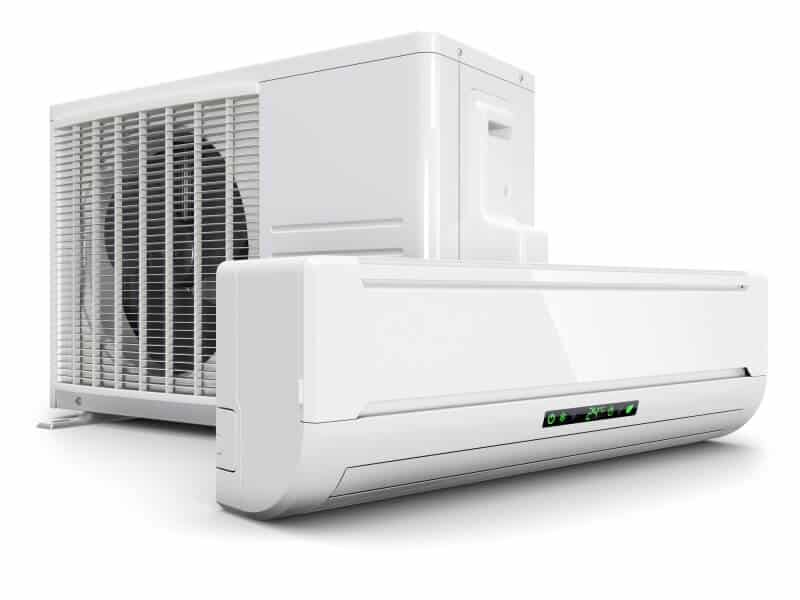
Hey there, fellow comfort-seeker! Let me tell you a little story. Not long ago, I had this one room in my house – you probably have one too, right? – that was just… perpetually wrong. In winter, it was an icebox. In summer, a sauna. My central AC unit fought a valiant, yet ultimately losing, battle against it, guzzling electricity like there was no tomorrow and still leaving me to roast (or freeze) in that one stubborn corner of my abode. I swear, I could practically hear my wallet weeping.
I tried everything. Space heaters that tripped breakers. Fans that just circulated hot air. Finally, I even contemplated dragging one of those clunky, ancient window units out of storage. You know the ones, they hum louder than a jet engine and block out all the sunlight? Shudder. That’s when a friend, practically glowing with smug comfort, mentioned something called a mini-split.
My first thought, I'll be honest, was: "A mini-what now? And how much is that going to set me back?" Because, let's face it, anything that promises to fix a problem this annoying usually comes with a hefty price tag attached. So, if you're like me, standing at the precipice of AC despair and wondering if these sleek, ductless wonders are the answer, your biggest question is probably: How much does a mini-split air conditioning system actually cost?
Must Read
Breaking Down the Dough: What You're Really Paying For
Alright, let's peel back the layers of this particular financial onion. There isn't one magic number, I’m afraid. It's more of a "it depends" situation, but we can definitely get you in the ballpark.
1. The Unit Itself (The Hardware)
This is your starting point. Mini-split units come in two main flavors: single-zone and multi-zone.
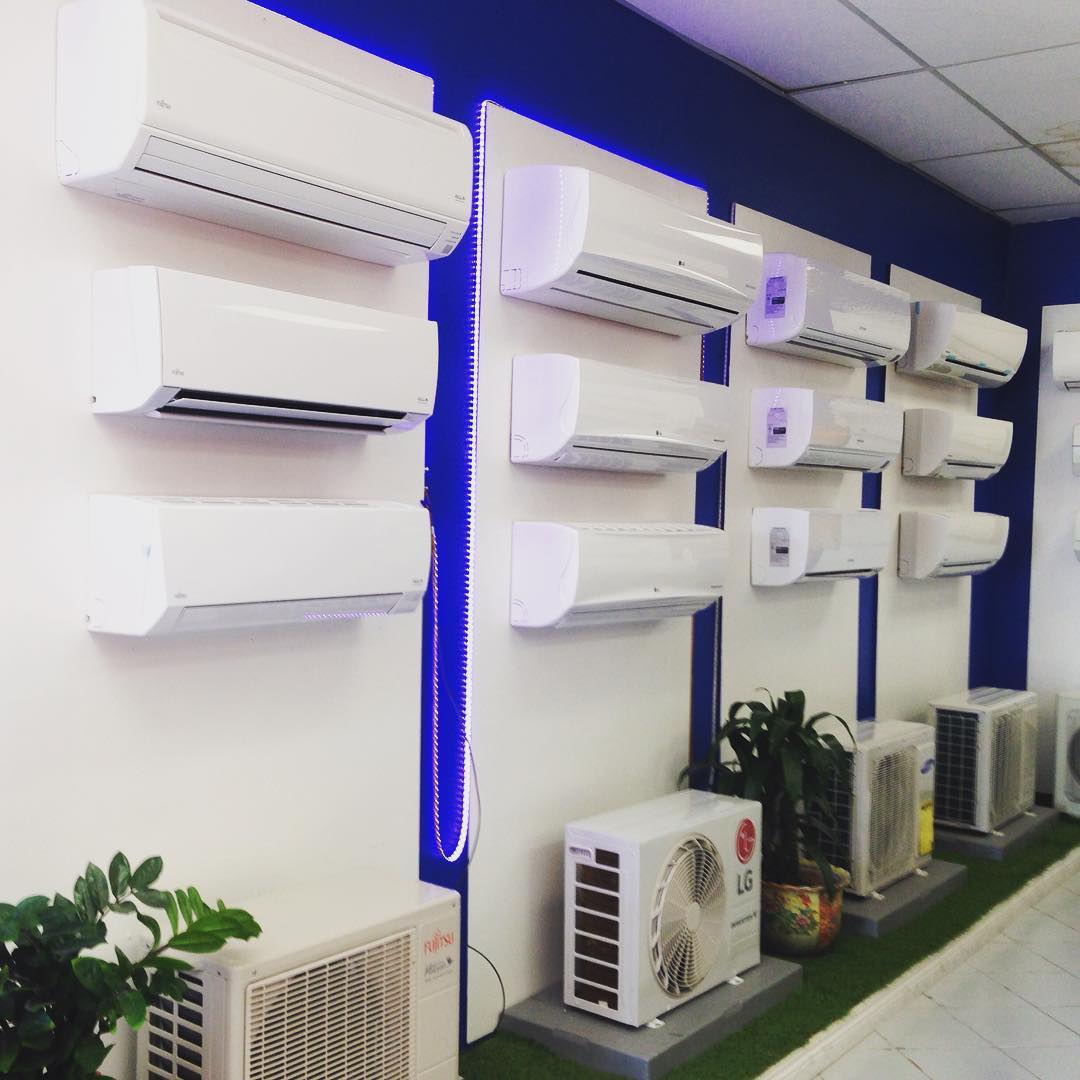
- Single-zone: One outdoor unit connected to one indoor unit. Perfect for that one problem room, garage, or addition. These can range anywhere from $700 to $2,500+. The price swings based on brand (Daikin, Mitsubishi, LG, Fujitsu are big names), BTU capacity (how powerful it is), and its SEER (Seasonal Energy Efficiency Ratio) rating. A higher SEER means more energy savings, but often a higher upfront cost.
- Multi-zone: One outdoor unit connected to multiple indoor units, each controlling a different area. This is where things get a bit pricier because you're essentially buying multiple indoor units plus a more powerful outdoor compressor. Expect to shell out anywhere from $2,000 to $8,000+ just for the equipment. Again, factors like brand, number of zones, and SEER rating play a huge role.
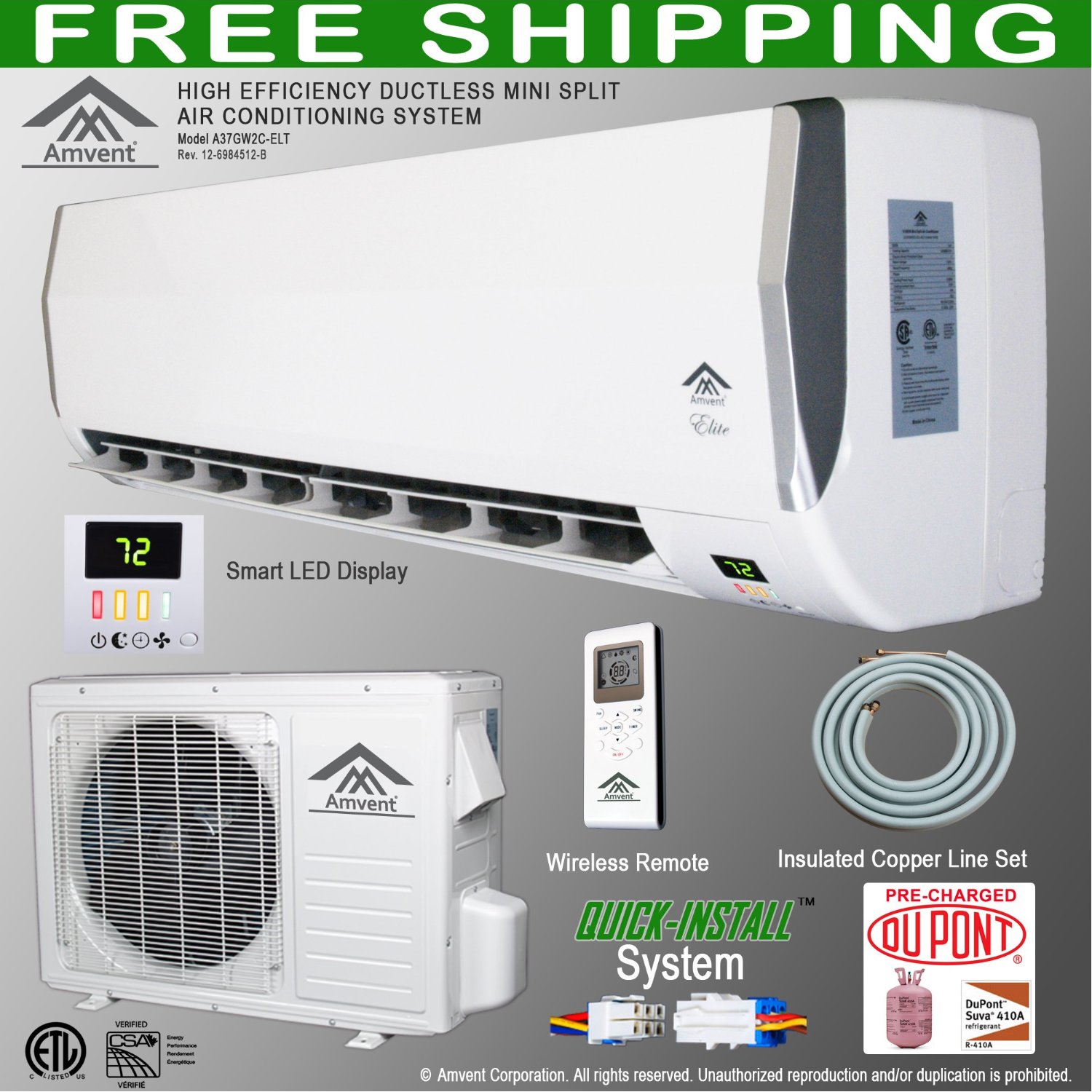
You can sometimes find "DIY-friendly" units that are pre-charged and come with quick-connect lines, which might be a bit more expensive initially but could save you on installation. More on that next!
2. The Installation (The Heavy Lifting)
Now, this is often the biggest variable and where the "DIY vs. Pro" debate really heats up. (Pun intended, you're welcome.)
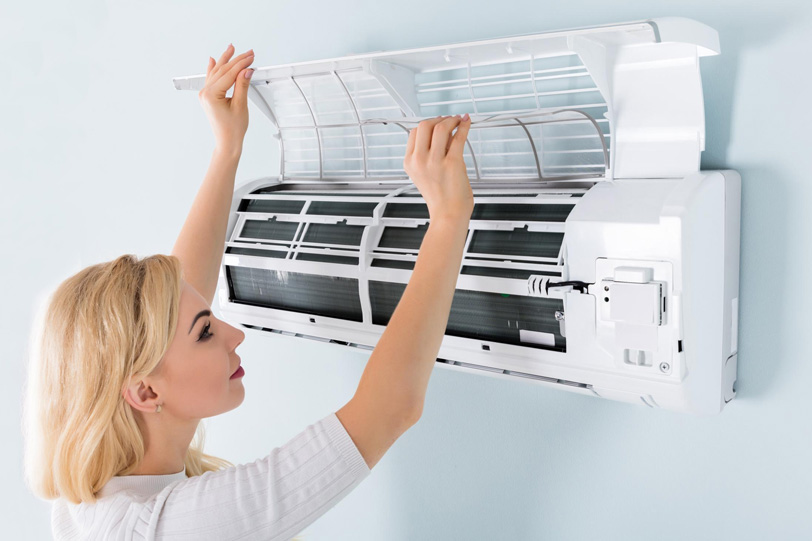
- Professional Installation: This is where most of your money will likely go. Installing a mini-split involves electrical work, drilling through walls for the refrigerant lines, mounting units securely, and properly vacuuming and charging the lines. This is not a trivial task. For a single-zone system, professional installation can run you anywhere from $1,000 to $3,000. For a multi-zone system, prepare for $2,000 to $5,000+, depending on the complexity (how many units, how far apart, electrical upgrades needed).
- Why go pro? Warranty. Safety. Proper sizing. And, honestly, peace of mind. A poorly installed system will not perform efficiently, might leak, and could even fail prematurely. Most manufacturers won't honor a warranty if it's not installed by a certified HVAC technician. Trust me on this one.
- DIY Installation: If you're handy, have a good understanding of electrical work, and are comfortable with precise measuring and drilling, you can install some of the pre-charged units yourself. This will obviously save you a bundle on labor. However, you'll still need some specialized tools (like a vacuum pump for non-pre-charged lines, which can be rented) and a healthy dose of confidence. I'd only recommend this for single-zone systems and if you've done your homework.
3. The Little Extras (Don't Forget 'Em!)
These might seem small, but they add up:
- Accessories: Line set covers (to make those refrigerant lines look tidy outside), condensate pumps (if your indoor unit can't drain by gravity), mounting brackets, etc. Maybe a few hundred bucks.
- Permits: Depending on where you live, you might need a permit for electrical or HVAC work. Check with your local municipality!
- Electrical Upgrades: If your panel can't handle the new load, you might need an electrician to add a new circuit or even upgrade your service. This can be a few hundred to over a thousand dollars.
So, What's the Grand Total? The Ballpark Figures
Alright, let's put some rough numbers on the table, just to give you an idea of what you might be looking at:

- Single-Zone Mini-Split (Pro Installed): Generally, you're looking at a total cost of $2,000 to $5,000. This would cover a decent quality unit and professional installation.
- Multi-Zone Mini-Split (Pro Installed): For a system with 2-4 indoor units, expect to pay anywhere from $4,000 to $10,000+. The "plus" really depends on the complexity and number of zones.
- DIY-Friendly Single-Zone (if you're brave): You might get away with $1,000 to $2,500 for the unit and minimal tool rental, but remember the risks!
Is It Worth It? (Spoiler: Probably!)
After all that number crunching, you might be thinking, "Whoa, that's a chunk of change!" And it is. But here's the kicker: mini-splits offer incredible benefits. They're energy efficient (especially compared to those old window units, gasp), they provide zone control (heat or cool only the rooms you're using!), they're quiet, and they don't require intrusive ductwork. Plus, many offer both heating and cooling, making them year-round solutions.
My "problem room" now? It's the most comfortable spot in the house, thank you very much. And my electric bill certainly isn't weeping anymore. The initial investment felt like a lot, but the long-term comfort and savings have definitely made it worthwhile.
So, if you're tired of battling your thermostat, get a few quotes from local HVAC pros. Do your research. And prepare to finally be comfortable in every corner of your home. You deserve it!