
How Much Is A Kwh Electricity
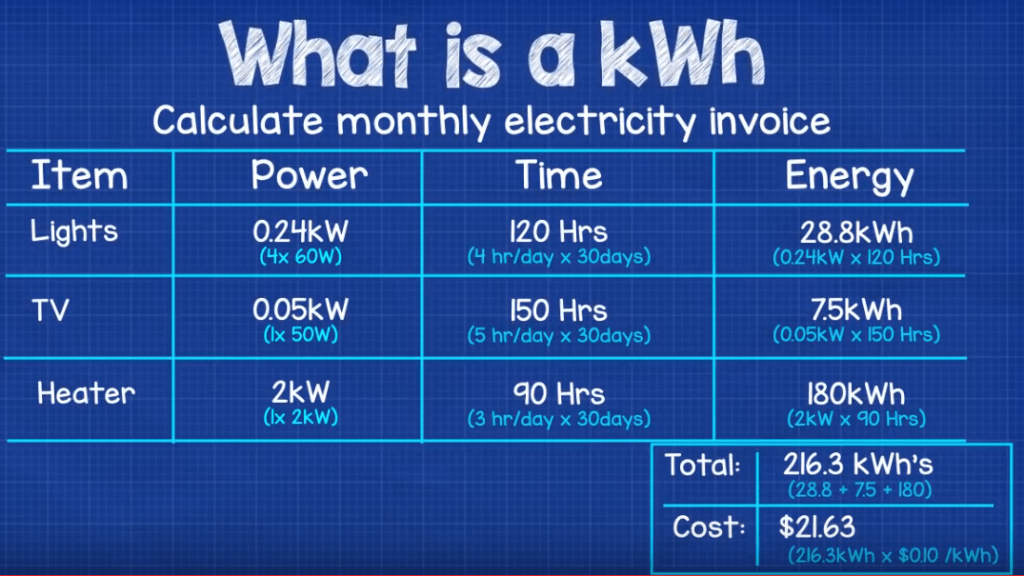
Ever stared at your electricity bill like it's written in an ancient, secret language? You're not alone. Most of us just eye the big, scary number at the bottom, sigh dramatically, and then begrudgingly pay up. But hidden within those mysterious digits is a little hero, or villain, depending on your appliance usage: the kilowatt-hour, or kWh.
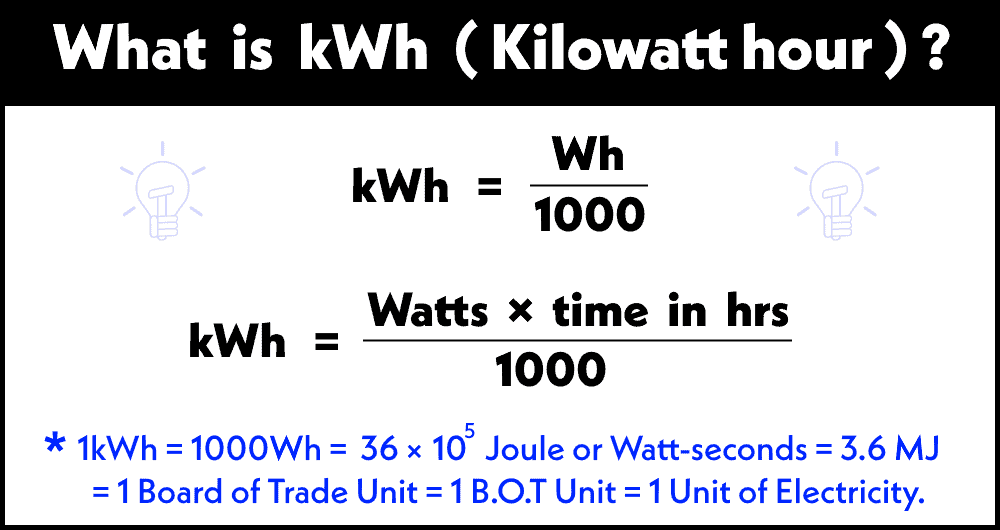
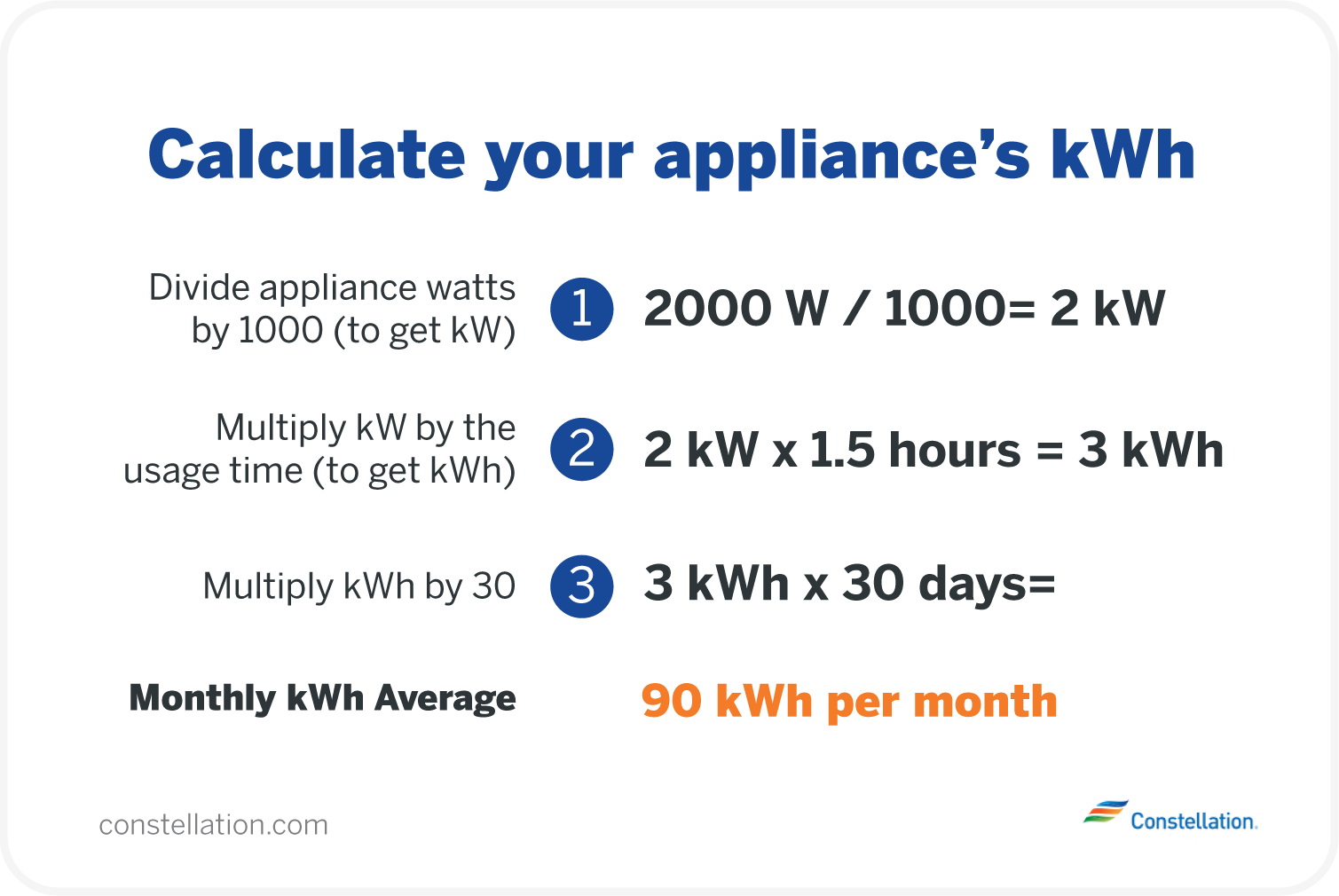
So, what exactly is a kWh? Think of it this way: if electricity were a delicious, fizzy drink, a kWh would be like one of those supersized movie theatre cups. It’s a unit of energy. Specifically, it’s how much power you’d use if you kept a 1,000-watt appliance running for one whole hour. Easy peasy, right?
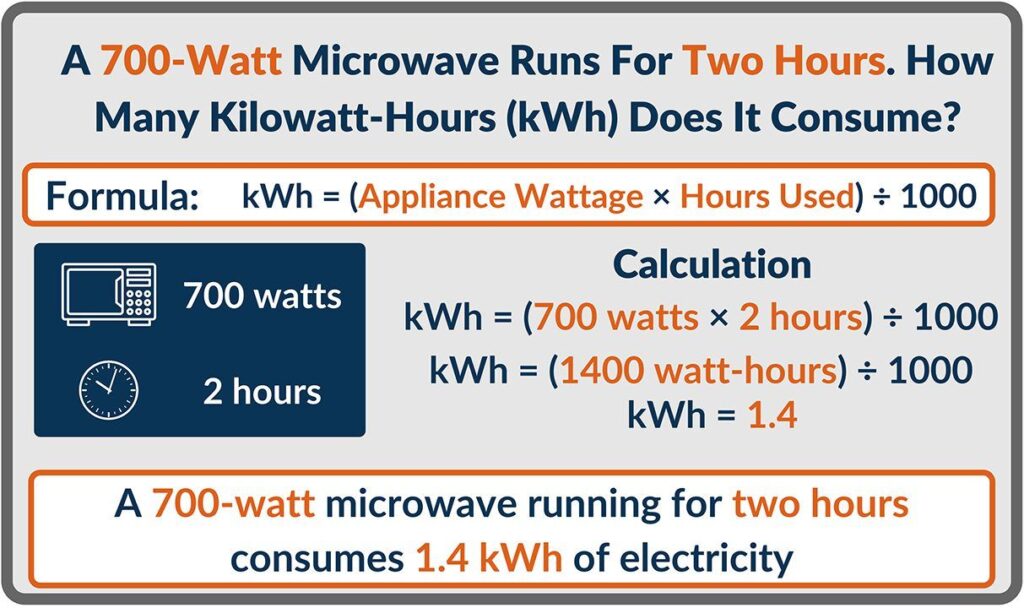
For example, if you have a 100-watt light bulb (the old kind, bless its incandescent heart) and you leave it on for ten hours, that’s one kWh. Pop a kettle (around 2,000 watts) on for 30 minutes, and boom, that's also one kWh. It's the currency of your home's energy consumption, and your electricity meter is basically a tireless accountant, tallying up every single one.
Must Read
The Great kWh Price Reveal: It's a Bit Like a Chameleon
Now, for the million-dollar question: "How much is a kWh?" And here’s where it gets a bit like asking, "How much is a piece of string?" The answer is, inevitably, "It depends!" My wallet does a little shudder every time I hear that.
Across the good ol' USA, the average cost per kWh can bounce around anywhere from a cozy 10 cents to a rather eye-watering 30 cents, sometimes even more. It’s like a rollercoaster, and you didn't even get to choose your seat. Why the big swing?
-
Location, Location, Location: Just like real estate, where you live plays a massive role. Some states have cheaper power thanks to natural resources or specific regulations. Others? Well, let's just say they might be paying a premium for that sunshine or mountain view.
What Is A Kilowatthour Kwh Electricityratescom -
Your Utility Company: You might have a choice of providers, or you might be stuck with the local monopoly. Each has its own pricing structure, often feeling a bit like a secret handshake.
-
Time of Day: Ever heard of "peak hours"? That's when everyone's blasting the AC or cooking dinner, and demand for electricity goes sky-high. Your utility company often charges more during these times, like a surge price for your electrons. It’s their way of saying, "Maybe do that laundry at 3 AM?"
Funny Money: What a kWh Really Feels Like
So, one kWh might cost you a quarter. What does that actually get you? Let’s put it into perspective, because numbers are boring, but real-life scenarios are where the drama unfolds:
For roughly 25 cents (give or take):
-
You could run a typical LED light bulb for over 400 hours. That's like leaving it on for more than two weeks straight! Talk about an energy sipper.
-
Or, you could charge your smartphone from flat to full about 100 times. That's a lot of scrolling for one small coin!
-
On the flip side, you could power your energy-hungry gaming console for maybe two to three hours. Suddenly, those all-night gaming sessions start looking a bit more expensive, don't they?
What Is A Kilowatt-Hour (kWh)? - ElectricityRates.com -
And that electric dryer? It can gobble up 3-6 kWh per load. So, one load of laundry could easily cost you over a dollar. My grandma always said to hang clothes out to dry, and now I know why she was so keen on "line-drying efficiency."
It’s a bit like buying groceries. A single apple is cheap, but fill up your whole cart with organic avocados and prime steak, and suddenly your bill looks like a phone number.
The Phantom Menace: Those Hidden kWh Gobblers
You know that moment you realize you left the TV on all night? Or your laptop charger is still plugged in, silently sipping power even when nothing's attached? That's the phantom load, and it’s a surprisingly real phenomenon. These devices in standby mode are like tiny, persistent vampires, slowly but surely draining your bank account, one kWh at a time.
My partner once left an old, clunky desktop computer running for a whole week, convinced it was "faster" to just leave it on. The next electricity bill arrived looking like it had been on steroids. We suddenly became experts in unplugging things – a real-life horror story for our budget!
.png)
Smiling and Nodding: Making Sense of It All
So, how much is a kWh? It's not a fixed price, but a fluid concept that dances to the tune of location, time, and your own appliance usage. The takeaway isn't to live in fear of your toaster, but to be a little more mindful.
Switching to LED bulbs? Massive savings. Unplugging those chargers? A small act of rebellion against the phantom load. Thinking twice before cranking the AC to arctic levels when a fan would do? Your future self (and your wallet) will thank you.
Understanding the kWh helps you see your electricity bill not as a cryptic message, but as a direct reflection of your home's energy habits. And who knows, with a little awareness, you might just find a few extra cents for that fancy coffee you've been eyeing. Cheers to mindful power consumption!