
How Much Is A Gas Bill A Month
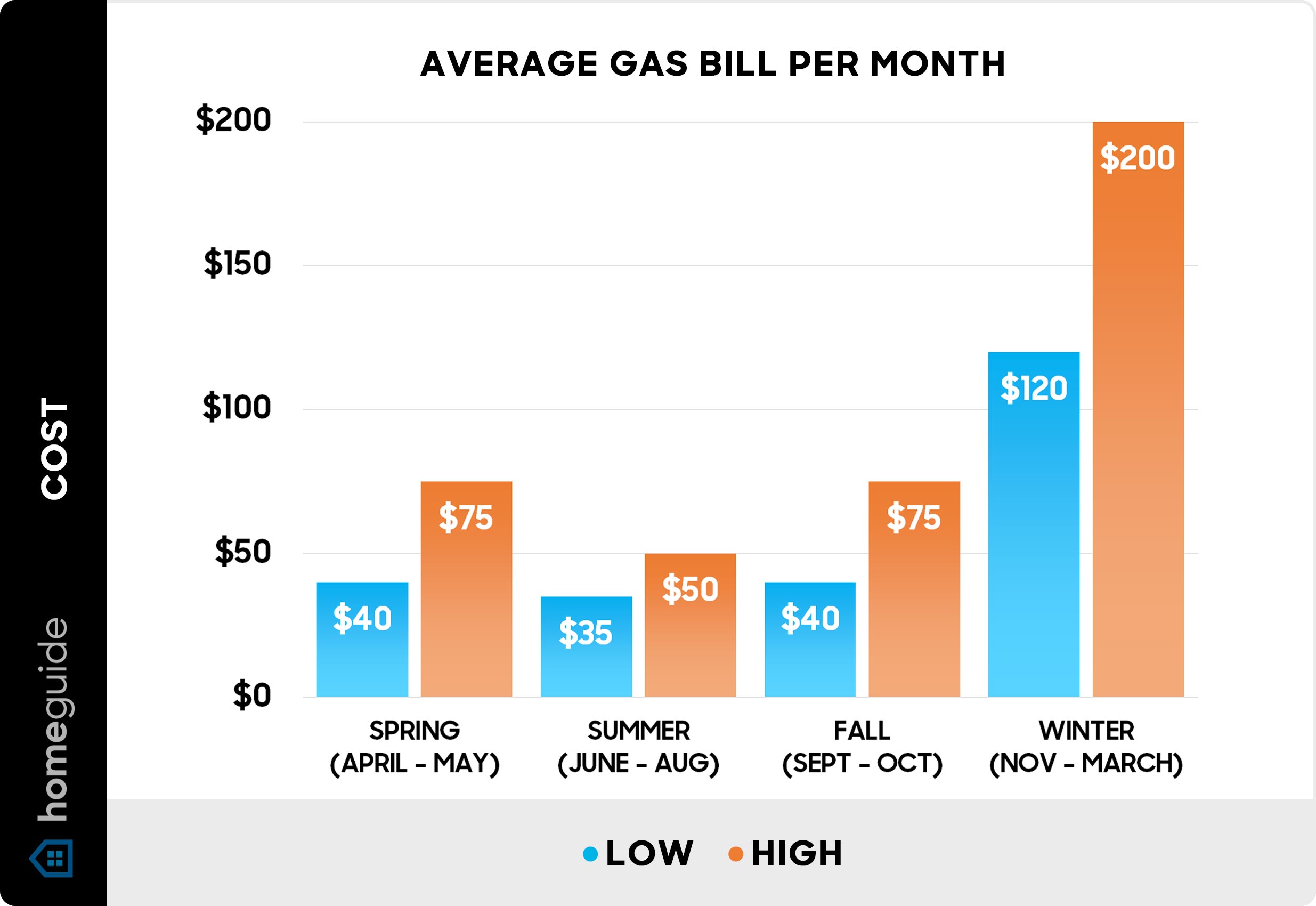
Ever found yourself staring at that monthly utility bill, wondering if it's playing a cruel joke or if you're single-handedly heating the entire neighborhood? You're not alone! The gas bill is one of those household mysteries, fluctuating like a chameleon in a paint store. So, let’s peel back the layers and chat about how much your gas bill really costs each month, in a way that feels less like homework and more like a friendly catch-up.
First off, let’s get this out of the way: there's no single, one-size-fits-all answer. Asking "how much is a gas bill a month?" is a bit like asking "how long is a piece of string?" It depends! But don't worry, we're not going to leave you hanging. Instead, we'll explore the fascinating (and sometimes frustrating) variables that contribute to that number, so you can feel more in control.
The Great Gas Bill Factors: What's Influencing Your Flow?
Think of your gas bill as a recipe, with several key ingredients determining the final flavor (or cost, in this case).
Must Read
1. Location, Location, Location: This is a biggie. If you live in a frosty northern climate, where winter means daily snowball fights and a distinct lack of sunshine, your heating needs will naturally be higher than someone lounging in perpetual sunshine down south. Utility rates also vary wildly by state and even by city, influenced by local regulations and the cost of natural gas itself in that region. A fun fact: natural gas is odorless, so utility companies add a distinct sulfuric smell (like rotten eggs!) called mercaptan to make leaks detectable. You're welcome!
2. Your Home Sweet Home: The size of your abode plays a huge role. A cozy studio apartment will obviously demand less gas to heat than a sprawling five-bedroom house. But it’s not just size; it’s also about how well your home holds heat. Think about it: an old, drafty Victorian mansion with single-pane windows is basically an open invitation for heat to escape, while a modern, well-insulated home is like a thermos for warmth. Insulation, window quality, and even the seals around your doors are all major players here.
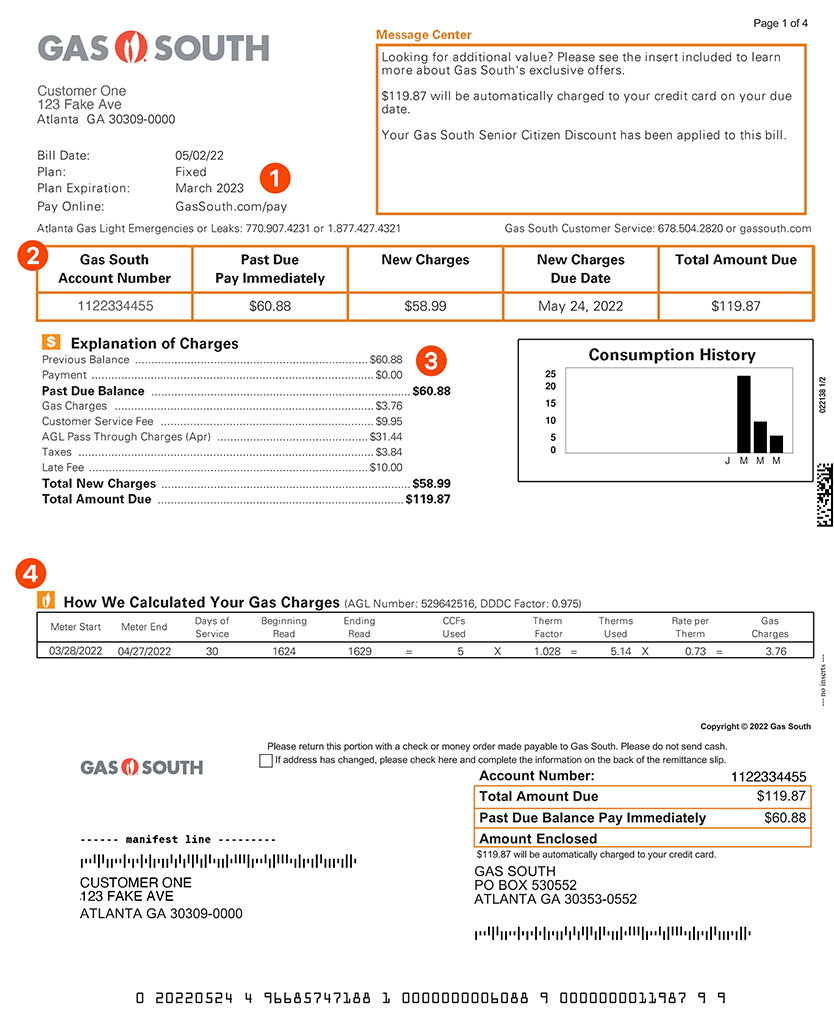
3. The Appliance Army: What gas-powered gadgets do you have running the show?
- Your furnace is usually the biggest gas guzzler, especially in colder months.
- A gas water heater is next in line, constantly working to give you those glorious hot showers.
- Do you have a gas stove or oven? Perhaps a gas clothes dryer?
- Maybe even a charming gas fireplace or an outdoor gas grill hookup?
4. Your Lifestyle & Habits: This is where you, the magnificent homeowner, come in!
- Are you a "thermostat warrior" who loves cranking the heat to tropical levels in winter?
- Do you enjoy long, luxurious, hot showers that could rival a small waterfall?
- Do you run your gas dryer for just a few items, or only with full loads?
So, What Are We Talking About in Dollars?
Alright, let’s give you some ballpark figures, keeping in mind these are very general averages and your mileage may vary.
- For a small apartment or condo (700-1000 sq ft) with moderate usage, you might see bills ranging from $30-$70 per month in milder months, potentially jumping to $80-$150+ during peak winter.
- A medium-sized house (1500-2500 sq ft) could range from $50-$100 off-season, escalating to $150-$300+ in the depths of winter.
- For a larger home or one with older appliances/poor insulation, those winter bills could easily soar into the $300-$500+ range.
.jpg?sfvrsn=adcab20d_2)
Smart Moves to Keep Your Gas Bill Grounded
Ready to fight back? Here are some simple, practical tips:
1. Master Your Thermostat: Lowering your thermostat by even a few degrees can make a noticeable difference. Many people aim for 68°F (20°C) during the day and even lower (60-65°F) at night or when away. Invest in a smart thermostat like Nest or Ecobee; they learn your habits and can save you big bucks. Embrace the "sweater weather" indoors!
2. Seal the Deal: Check for drafts around windows and doors. Weatherstripping and caulk are inexpensive heroes. Even plugging up unused fireplace flues can save a surprising amount of heat.
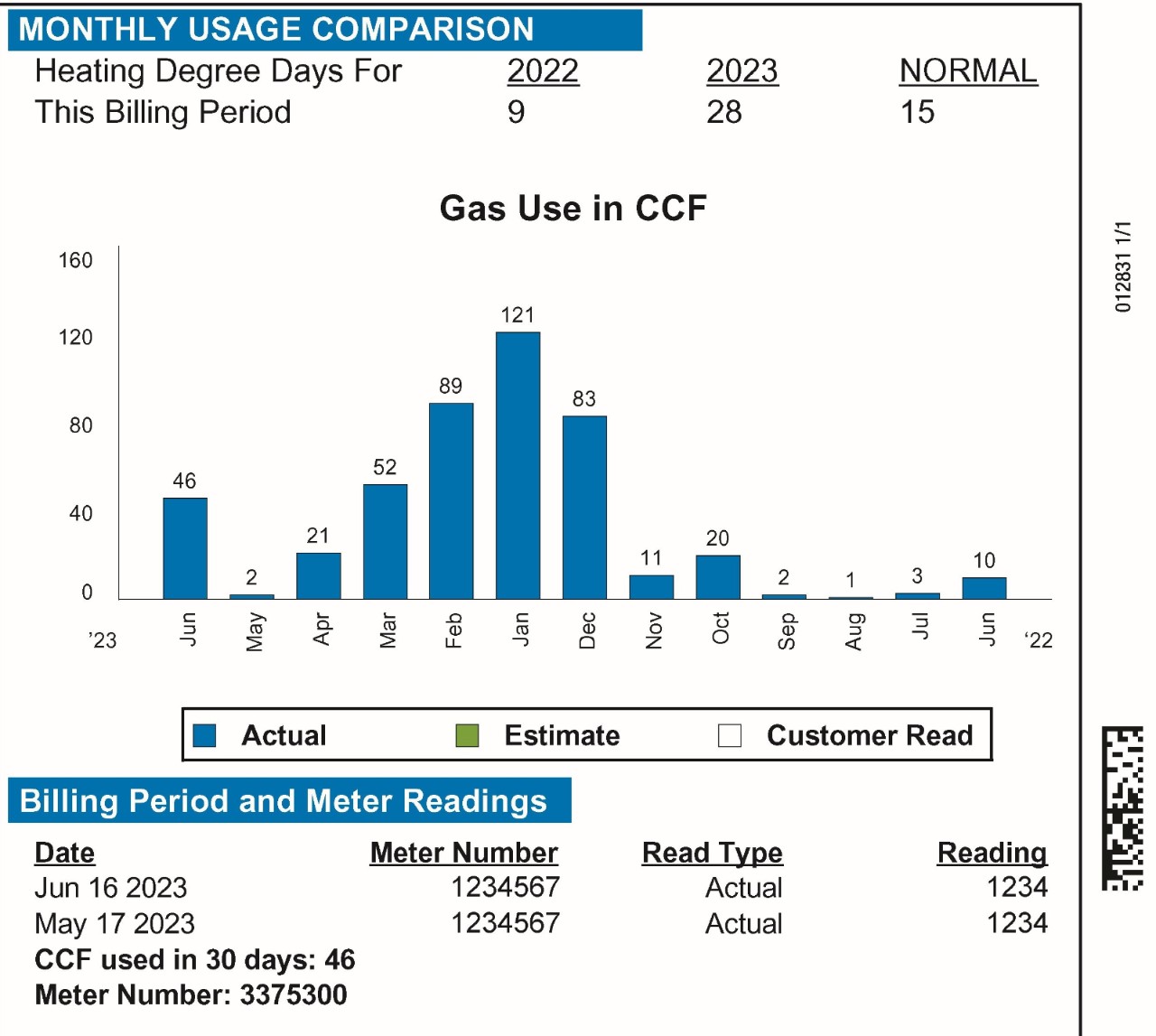
3. Appliance TLC: Get your furnace serviced annually. A clean, well-maintained furnace runs far more efficiently. Clean or replace furnace filters regularly – this is a super easy win!
4. Shorter, Smarter Showers: Every minute counts! Consider a low-flow showerhead to reduce hot water consumption without sacrificing pressure.
5. Full Loads Only: For your gas dryer, always run full loads. And if possible, air dry clothes on a rack – it’s free and keeps clothes looking newer longer.
6. Unplug & Unwind: While not directly gas-related, being mindful of overall energy consumption often leads to a more mindful approach to utilities in general. Every little bit helps the planet and your wallet.
The Comfort Equation
Ultimately, your gas bill is a reflection of the comfort and convenience you enjoy in your home. It’s the cozy warmth on a snowy day, the satisfying hot shower after a long workout, the delicious meals cooked on your stovetop. By understanding what drives that number and adopting a few smart habits, you can strike a beautiful balance between comfort and cost-effectiveness.
It's not about freezing in the dark; it's about being aware. It’s about making smart choices that not only ease the strain on your wallet but also contribute to a more sustainable way of living. So next time that gas bill arrives, you’ll be armed with knowledge, maybe even a cozy sweater, and a plan to keep things comfortably within your control.