
How Much Is 3d Printing Cost
Alright, pull up a chair, grab your imaginary latte, because we're about to delve into one of life's great mysteries, right up there with "Where do all my socks go?" and "Why is that cat staring at me like that?" We're talking about the thrilling, sometimes bewildering, cost of 3D printing. Is it like owning a yacht, or more like buying a fancy toaster? Let's unravel this spaghetti monster of a question!
First off, let's burst a common myth: no, you can't 3D print actual money. Trust me, I've tried. My printer just whirs impressively and then spits out a tiny, slightly malformed plastic bust of a historical figure. Disappointing, I know.
The Printer Itself: Your New Desktop Buddy (or Overlord)
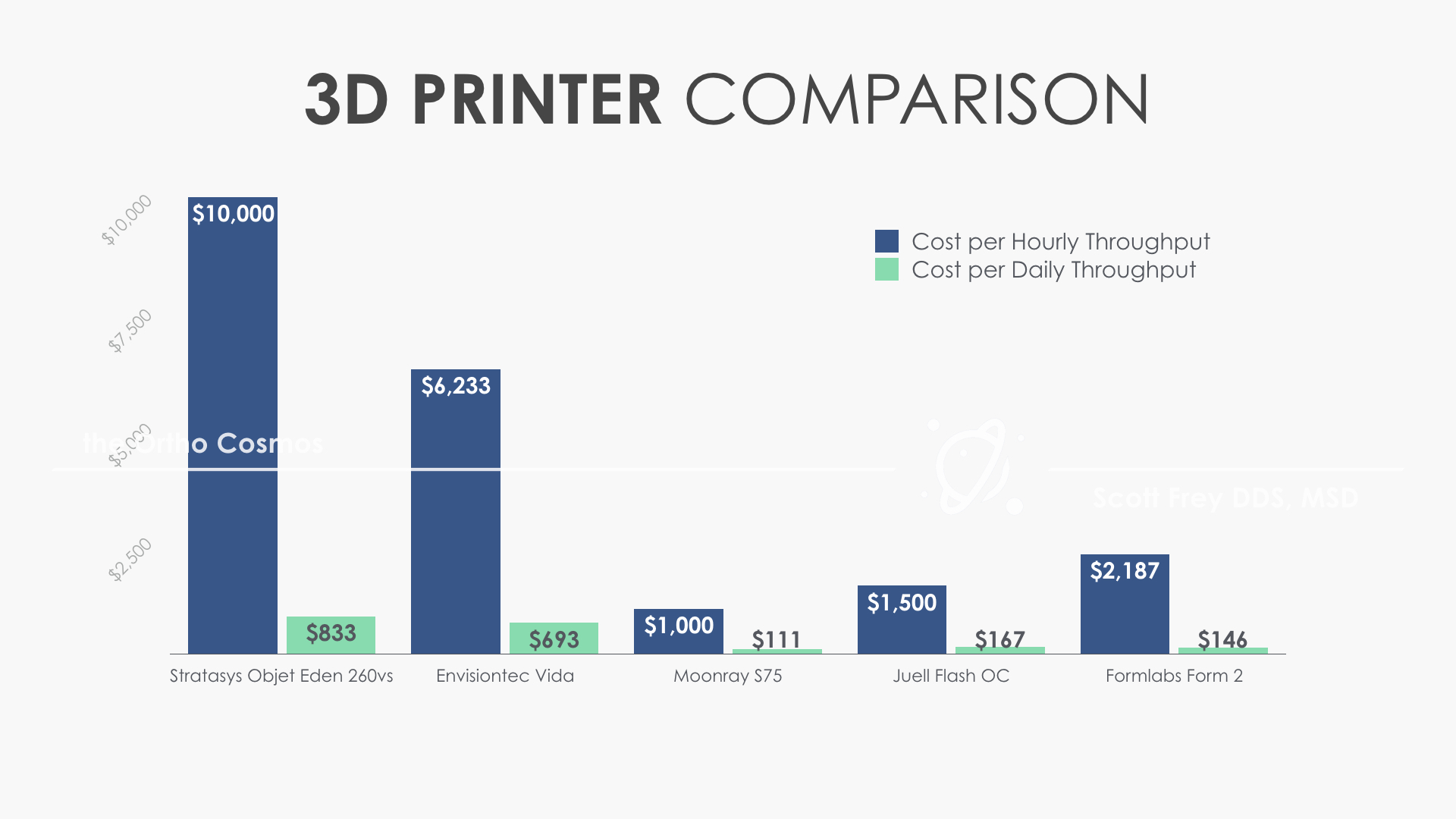
This is where things get interesting. You might think a 3D printer costs an arm and a leg, plus perhaps a kidney. But guess what? You can snag an entry-level FDM (Fused Deposition Modeling) printer – that’s the kind that melts plastic and squirts it out layer by layer – for around $200-$300 USD. Yes, you read that right! That's less than some fancy coffee machines, gaming consoles, or even a particularly enthusiastic night out. It's the gateway drug to a whole new world of making!
Must Read
These little workhorses are fantastic for beginners. They might not be lightning fast, and your first few prints might look like they were designed by a particularly clumsy toddler, but they get the job done. Think of it as your first bicycle – a bit wobbly, but it gets you places.
Now, if you want to get a bit more serious, say, you're eyeing a printer that won't require a daily pep talk, you're looking at the $500-$1000 range. These often come with better build quality, bigger print volumes, and sometimes even auto-leveling (a feature that feels like magic after manual leveling). This is where you might also dip your toes into resin printers (SLA/DLP), which are fantastic for incredibly detailed, tiny models but usually cost a bit more and involve gooier, messier materials.

And then, of course, there’s the big leagues. We’re talking professional-grade machines that can cost tens of thousands. But unless you’re planning on printing a life-sized replica of the Eiffel Tower for your garden, let’s just wave at those from a safe distance. Our focus is on the fun, accessible stuff!
The Fuel: What Do These Things EAT?
Okay, you’ve got your shiny new printer. What now? It’s not going to just magically create things out of thin air, much to my chagrin. It needs material! For FDM printers, this is typically a spool of plastic filament. The most common types are PLA (Polylactic Acid) and PETG (Polyethylene Terephthalate Glycol-modified).
A standard 1kg (2.2lb) spool of PLA, which is derived from renewable resources like corn starch, will set you back about $18-$30 USD. PETG, known for being stronger and more flexible, is usually in the $20-$35 range. To give you an idea, a 1kg spool can print dozens of small trinkets, several phone stands, or maybe a couple of decent-sized desk organizers. It lasts surprisingly long, unless you get addicted to printing novelty keychains for everyone you’ve ever met.
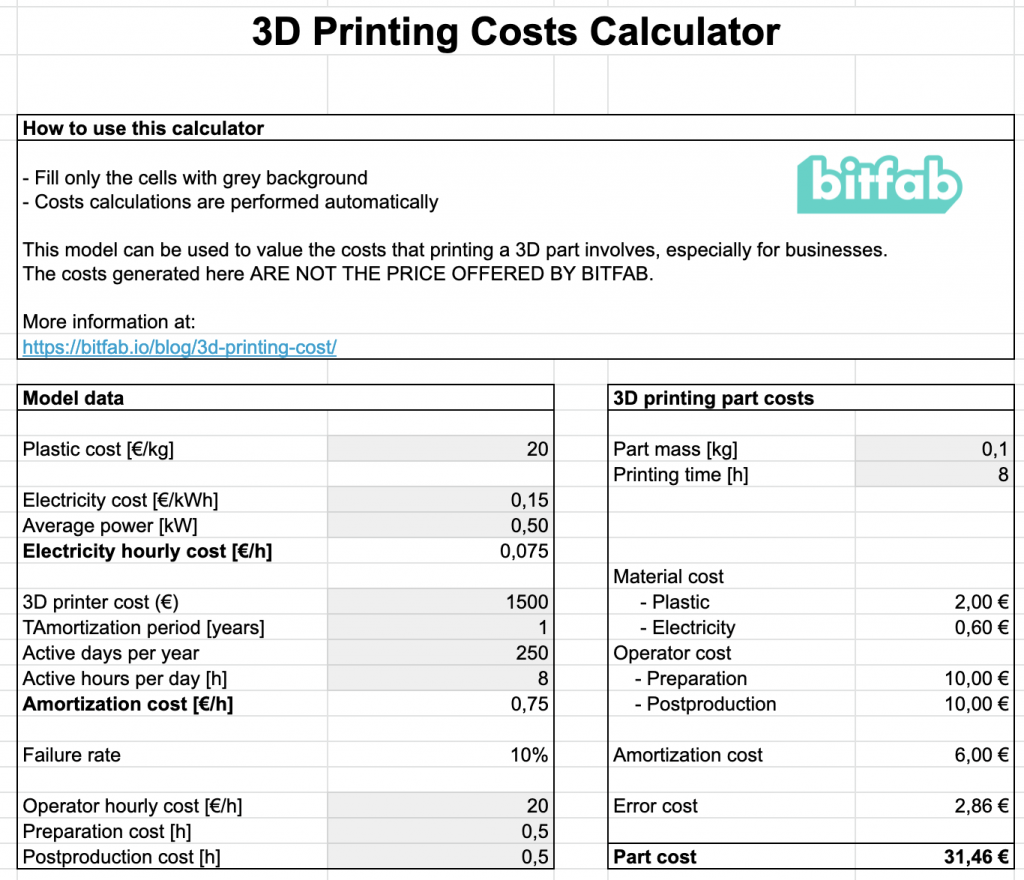
For resin printers, you're buying liquid resin in bottles. This tends to be more expensive, with a 1-liter bottle often costing $30-$60 USD. It's pricier per gram, but resin prints are often smaller and more detailed, so a bottle can still go a long way. Think of it like the difference between buying bulk rice and artisanal tiny chocolates.
Then there are the exotic filaments: wood-infused, metal-infused, glow-in-the-dark, flexible TPU, carbon fiber... the list goes on! These can range from $30 to $100+ per spool. They’re like the craft beer of the 3D printing world – exciting, specialized, and you definitely pay a premium for the fancy stuff.

The Hidden Dragons: Things They Don't Tell You About
Ah, the "invisible" costs! These are the little goblins that sneak up on you. First, there’s time. 3D printing isn’t instant magic. A complex print can take hours, even days. You’ll become intimately familiar with the gentle hum of your printer at 3 AM. It’s a lullaby for makers!
Then there’s the inevitable failed prints. Oh, the humanity! You'll hit print, walk away feeling like a tech wizard, and come back to find a tangled mess of plastic resembling a bird's nest that lost a fight with a lawnmower. This "spaghetti monster" is wasted filament, and it happens to everyone. Consider it your tuition fee for the School of Hard Knocks (and Hot Nozzles).
You’ll also need some accessories. A scraper to get prints off the build plate, some isopropyl alcohol for cleaning (especially for resin printers), maybe some spare nozzles, good ventilation, and a comfy chair for watching your prints with mesmerized fascination. It’s like owning a pet; they don't just need food, they need toys and vet visits too!
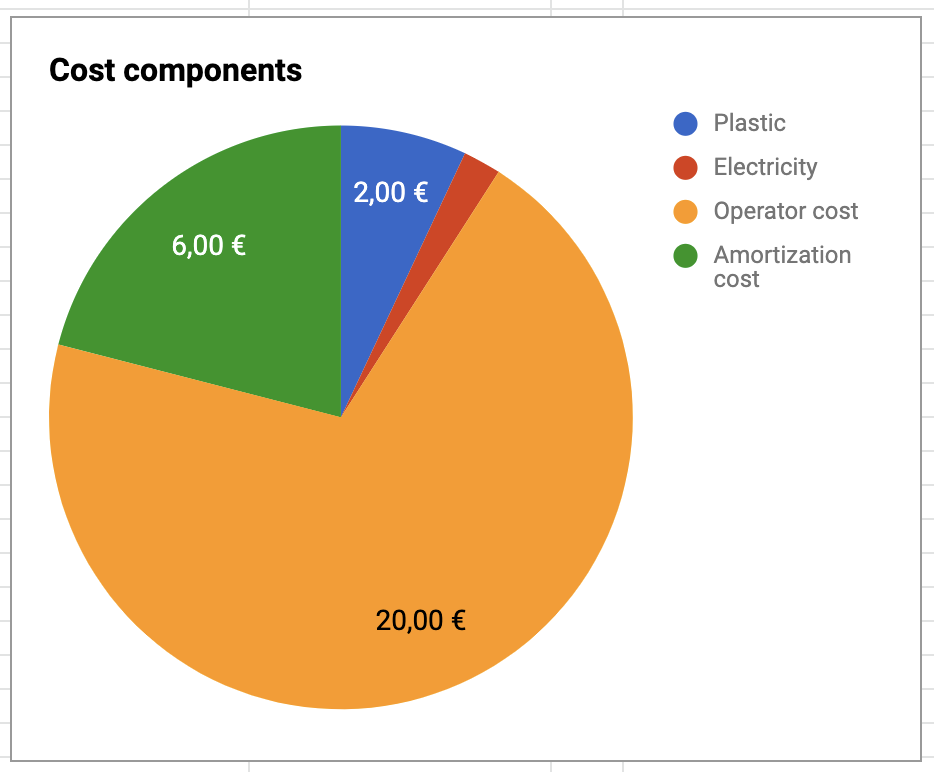
Electricity costs are usually negligible – most desktop printers draw about as much power as a lightbulb – but every penny counts, right? And while there’s tons of free design software out there, if you want to get serious with your own creations, a subscription to a professional CAD program can be another monthly expense.
So, What's the Real Price Tag?
The short answer? It really depends on you. If you want to dip your toes in with a basic machine, print basic stuff, and use affordable filaments, you can get started for under $300-$400 total for the printer and your first few spools. From there, your ongoing costs might be just a few spools of filament a month, adding up to $50-$100. That's less than a weekly takeout habit!
If you dive headfirst into the hobby, upgrading your printer, experimenting with exotic materials, and spending on software and tools, well, the sky's the limit! It's an investment, but it's an investment in creation, problem-solving, and endless fun. You'll print gifts, fix broken household items, and unleash your inner inventor. And honestly, isn't that worth more than a dozen plain old socks?