How Much Hot Water Does A Clothes Washer Use

Let's face it, laundry isn't exactly anyone's favorite pastime. But the feeling of slipping into a freshly washed, warm, and clean set of clothes? That's a simple pleasure almost everyone appreciates. We rely on our clothes washers to tackle everything from muddy soccer uniforms to delicate silks, all in the pursuit of cleanliness and comfort. It's a cornerstone of modern hygiene, allowing us to maintain our appearance, protect our health, and keep our homes smelling fresh. Imagine a world without the effortless cleaning power of a washing machine! The thought is enough to make anyone appreciate this appliance a little more.
But have you ever stopped to consider just how much hot water your clothes washer uses? It's a question that's relevant not just for environmental reasons, but also for your wallet! After all, heating water consumes a significant amount of energy. Traditionally, washers used a hefty amount of hot water – think 40 gallons or more per load! This hot water helps activate the detergents, loosen dirt and grime, and sanitize fabrics, especially in older models. We use our washing machines to clean everything from our everyday clothes to bedding, towels, and even sometimes, those unfortunate stuffed animals that have seen better days.
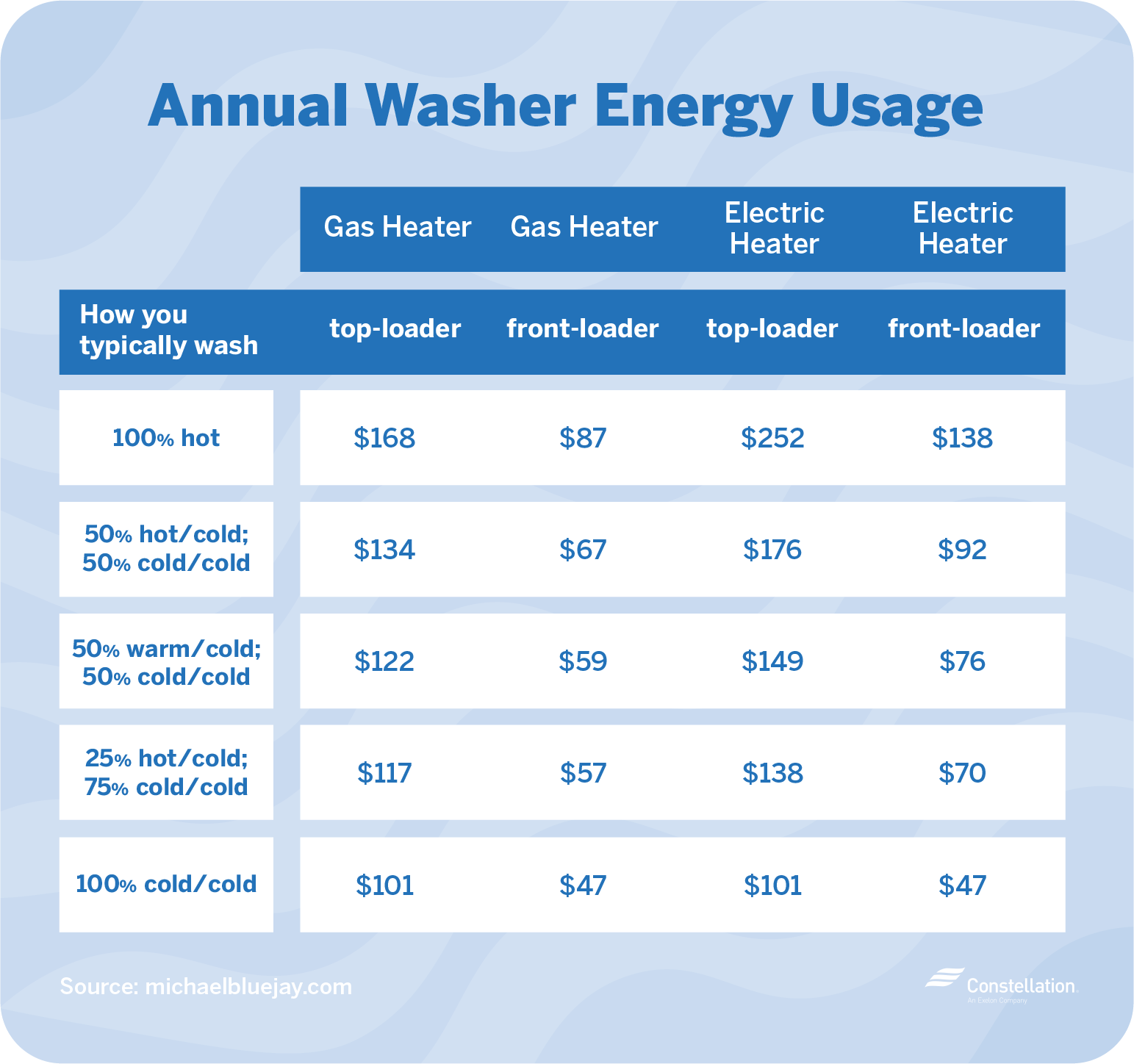
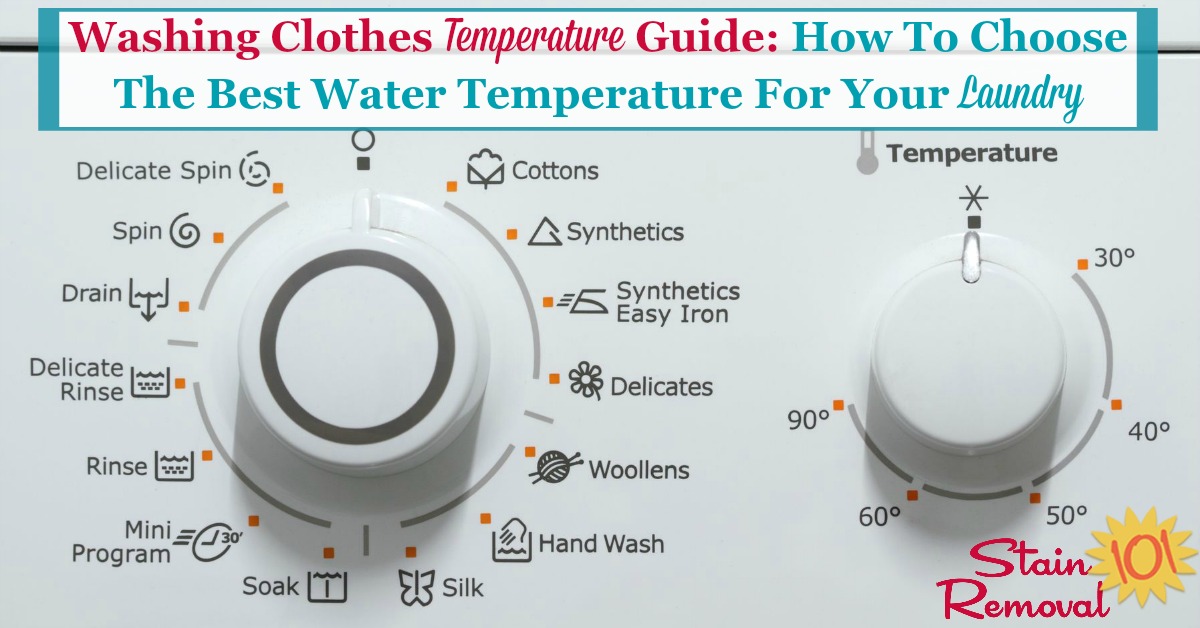
The amount of hot water a washing machine uses can vary widely based on a few factors. These include the age and type of machine (top-load vs. front-load), the wash cycle selected (delicate, permanent press, heavy duty), and the water temperature setting. Older top-loading machines are generally the biggest culprits, often using significantly more water, both hot and cold, than newer, more efficient models. Front-loading machines, on the other hand, are designed to use less water overall, thanks to their tumbling action that requires less submersion. Many newer machines also boast features like "eco" or "energy saver" cycles, which further reduce water and energy consumption.
Must Read
So, how can you enjoy the benefits of clean laundry while minimizing hot water usage? Here are a few practical tips:
- Upgrade your machine: If you have an older top-loader, consider upgrading to a newer, more efficient front-loading model. The long-term savings on water and energy bills can be substantial.
- Wash in cold water: Modern detergents are formulated to work effectively in cold water, often providing the same cleaning power as hot water cycles. Unless you're dealing with heavily soiled items or require sanitization, cold water is usually sufficient.
- Use the correct amount of detergent: Too much detergent can lead to excessive suds, requiring more water to rinse them away. Follow the detergent manufacturer's instructions carefully.
- Run full loads: Avoid running small loads whenever possible. Waiting until you have a full load maximizes the efficiency of each wash cycle.
- Check your water heater temperature: Setting your water heater too high wastes energy. A temperature of 120°F (49°C) is generally sufficient for most household needs.
By being mindful of your washing habits and making smart choices, you can reduce your hot water consumption, save money on your energy bills, and contribute to a more sustainable environment. So, go ahead and enjoy that feeling of freshly laundered clothes, knowing you're doing your part to be a responsible consumer!