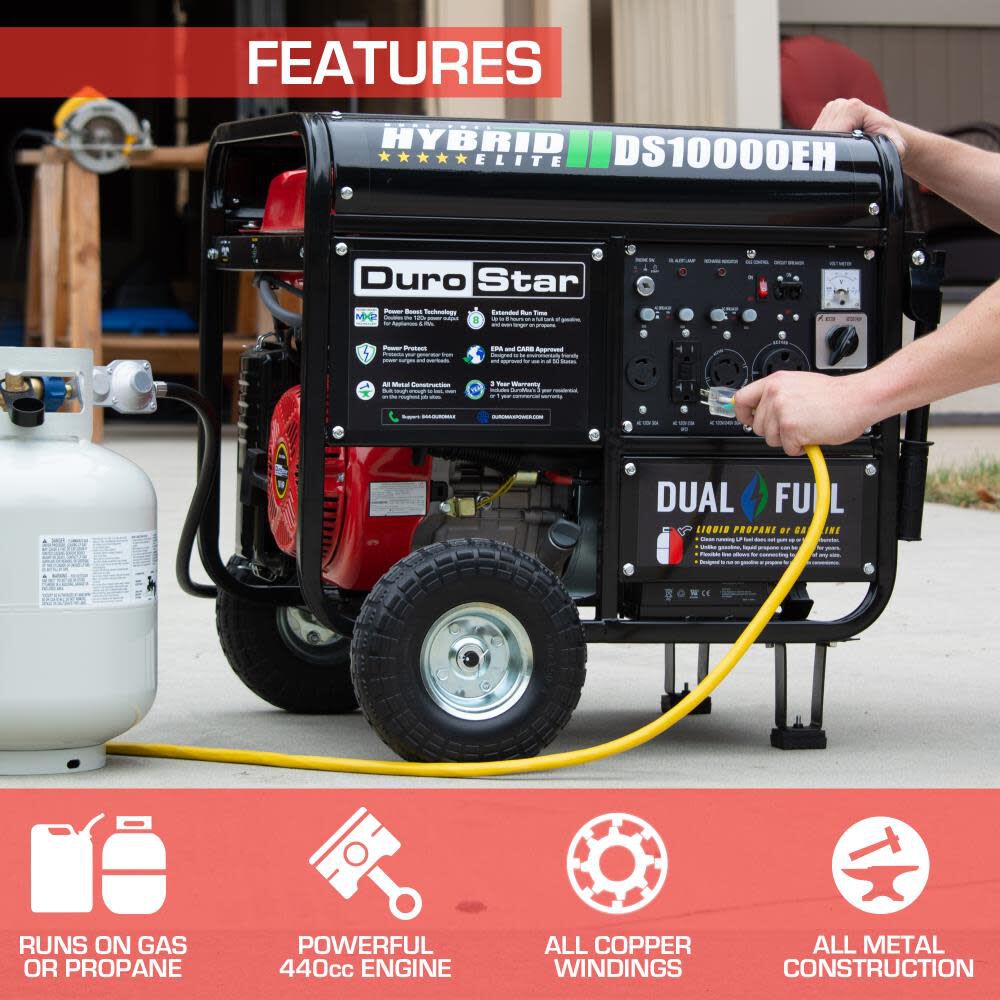
How Much Gas Does A 10000 Watt Generator Use
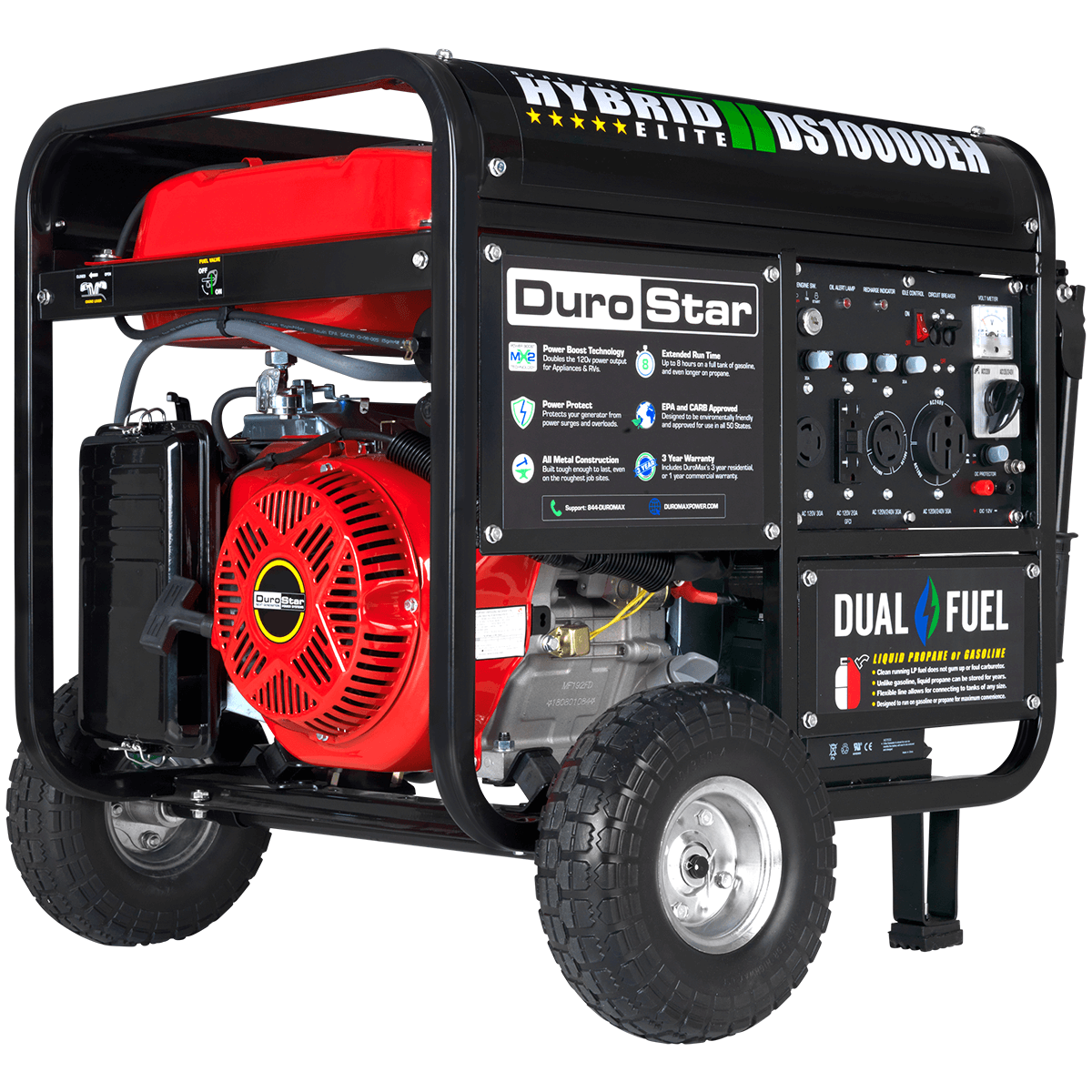
Okay, picture this: camping trip, right? Stars blazing, s'mores roasting, but… no power. Zip. Zilch. Nada. My buddy Dave, ever the optimist, hauls out this massive generator – a real beast. "Don't worry!" he yells over the engine roar (more on that later). "This 10000-watt beauty will power everything!" Turns out, it did. But the rate that thing guzzled gas… Well, let's just say we spent more on fuel than on the actual campsite. Which got me thinking: how much gas does a 10000-watt generator actually use?
That's what we're diving into today. Forget complicated formulas; we're talking real-world numbers and easy explanations. Because nobody wants a math lesson when they're just trying to keep their fridge cold during a power outage (or, you know, power their glamping setup).
The Big Factors: Load and Efficiency
The biggest factors impacting fuel consumption are, unsurprisingly, how much power you're drawing (the load) and how efficiently the generator converts fuel into electricity. Think of it like your car – flooring it everywhere eats way more gas than cruising at a steady speed. Same principle applies here.
Must Read
Load refers to the percentage of the generator’s total capacity you're using. Running a single lamp? You're barely scratching the surface. Running a whole house with the AC blasting? That's a different story. The heavier the load, the more gas it'll drink.
Efficiency varies between models. Some generators are designed to squeeze every last drop of energy from each gallon of gas. Others… well, let's just say they're not winning any environmental awards. Newer models often have better fuel efficiency, so that old hand-me-down might be costing you more than you think! (Consider this a subtle nudge to maybe upgrade.)
Rough Estimates: Gallons Per Hour
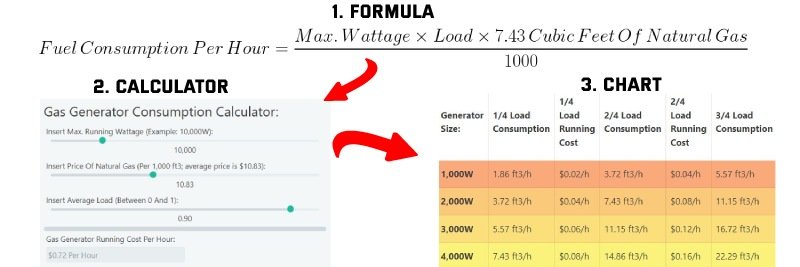
Alright, let's get down to brass tacks. Generally, a 10000-watt generator will use somewhere in the neighborhood of 0.75 to 1.5 gallons of gasoline per hour. Yeah, that's a pretty wide range, I know. But it really depends on that load and efficiency we talked about.
At 25% load (light usage – maybe a few lights and a small appliance), you might be looking at around 0.75 gallons per hour. At 50% load (moderate usage – fridge, TV, a couple of lights), that number creeps up to around 1 gallon. And at 75-100% load (full house power!), expect to burn through 1.25 to 1.5 gallons per hour. Yikes!
These are just estimates, mind you. The only way to know for sure is to check the manufacturer's specifications for your specific generator model. They should have a chart or table that shows fuel consumption at various load levels. Find that manual! Seriously, it's probably gathering dust in a drawer somewhere.
Pro Tips for Saving Fuel
So, you're stuck with that gas-guzzling generator? Don't despair! Here are a few tricks to minimize fuel consumption:
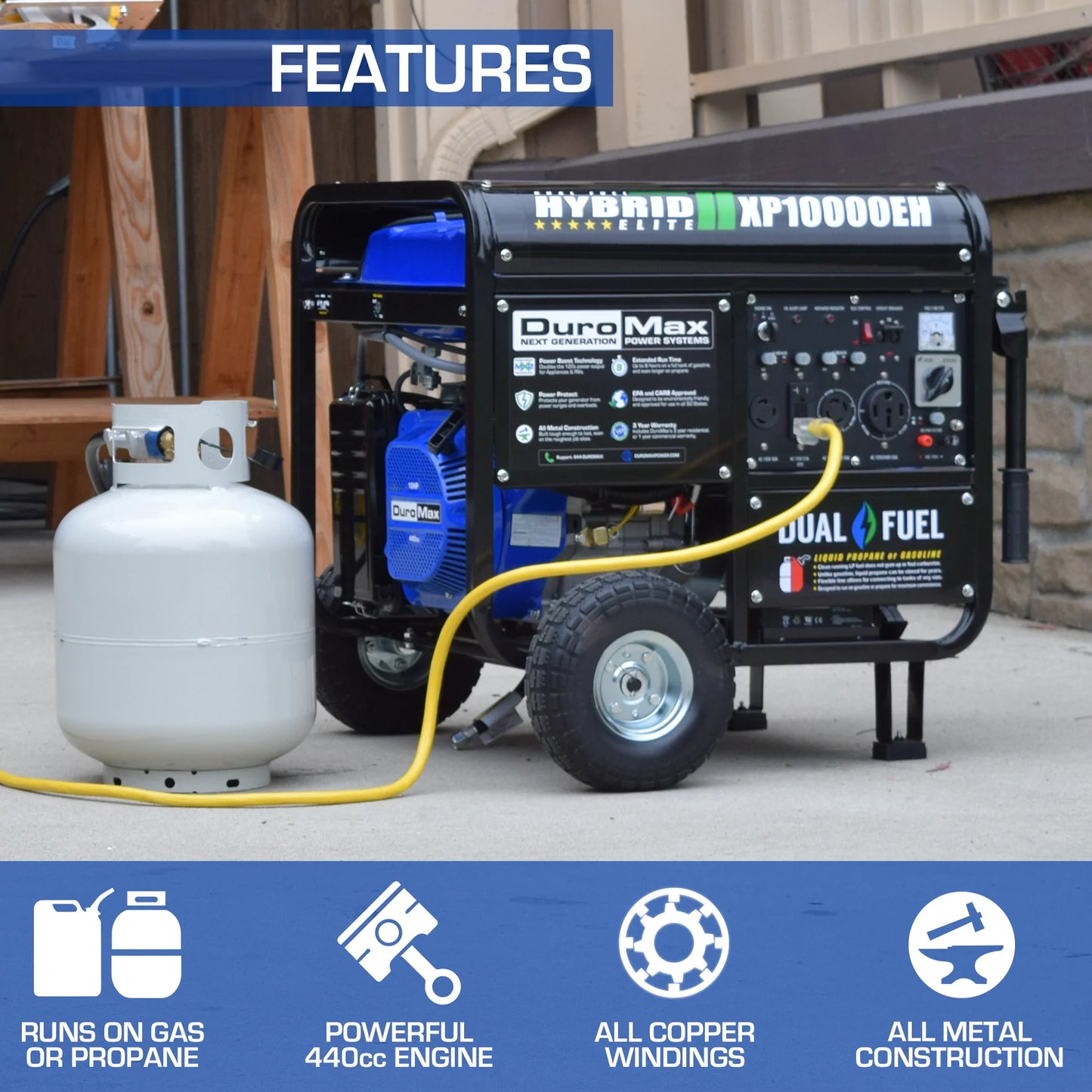
- Use Energy-Efficient Appliances: Swap out those old incandescent bulbs for LEDs. They use a fraction of the power.
- Unplug Unnecessary Devices: Phantom loads are a real thing. Even when turned off, some electronics still draw power.
- Manage Your Load: Don't run everything at once. Stagger your appliance use to avoid overloading the generator.
- Consider an Inverter Generator: These are generally more fuel-efficient, especially at lower loads. They’re also quieter! (Your neighbors will thank you.)
- Proper Maintenance: A well-maintained generator runs more efficiently. Change the oil, clean the air filter, and keep it in good working order. Think of it like taking care of a pet… except this pet drinks gasoline.
Running a 10000-watt generator isn’t exactly cheap. But by understanding the factors that influence fuel consumption and taking steps to conserve energy, you can keep your gas bill (relatively) under control. And who knows, maybe you'll even impress your friends with your newfound generator knowledge. Just try not to be that guy who lectures everyone about fuel efficiency at the campsite. Nobody likes that guy.
Now, go forth and conquer those power outages! Just remember to fill up the gas can first.