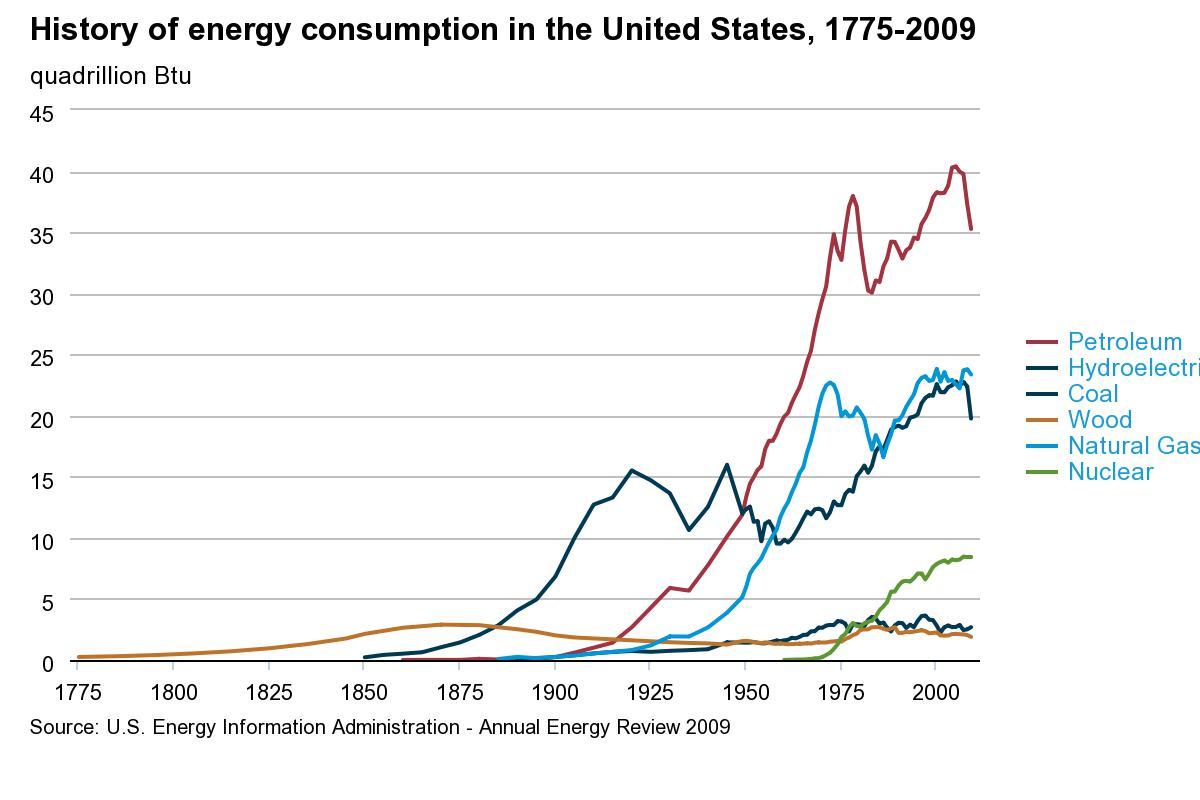
How Much Energy Does The United States Use Each Year

Ever wondered how much oomph keeps the United States humming along? We're talking about energy! It's not just about keeping the lights on (though, let's face it, that's pretty important!). It's about everything from fueling your road trips to keeping your coffee warm in the morning.
So, let's dive in, shall we? Think of it as taking a peek behind the curtain of our national energy consumption. You might be surprised at what you find!
The Big Number: Quadrillions of BTUs! (Don't Panic!)
Okay, here's the headline: The United States uses a lot of energy. We're talking around 90-100 quadrillion British thermal units (BTUs) per year. Now, I know what you're thinking: "Quadrillion what-nows?" Don't worry! A BTU is just a unit of energy. Think of it as a tiny little packet of power. And a quadrillion? Well, that's a whole lotta packets!
Must Read
To put it in perspective, one BTU is roughly the amount of energy released by burning one kitchen match. So, 90-100 quadrillion BTUs is like lighting a mind-boggling number of matches. Don't try this at home, folks!
Now, why should you care about this ginormous number? Because it affects everything! From the price of gas at the pump to the quality of the air we breathe. Understanding our energy consumption helps us make smarter choices, both as individuals and as a nation.
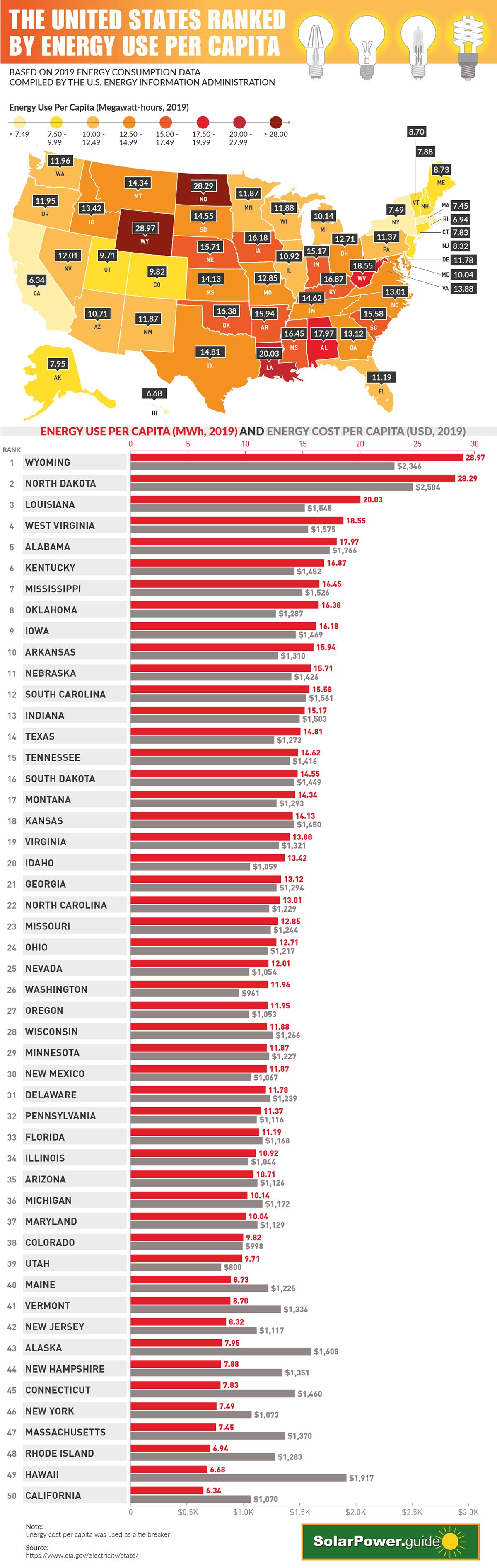
Where Does All This Energy Go?
So, where does all this energy actually go? It's not just disappearing into thin air, is it? (Though sometimes, it feels like that when you see your electricity bill!). Here's a breakdown:
- Transportation: Cars, trucks, airplanes, trains... all those modes of transportation guzzle a significant chunk of our energy. Think about your daily commute – that's a direct contribution to this category!
- Industry: Factories, manufacturing plants, construction sites... these are energy hogs. They need power to run machines, heat buildings, and produce the goods we all use.
- Residential: Our homes! Heating, cooling, lighting, appliances, electronics... it all adds up. That midnight snack raid on the fridge? That's energy in action!
- Commercial: Offices, stores, schools, hospitals... these buildings need energy to operate, just like our homes.
Notice a pattern? Basically, everything we do uses energy! From the moment we wake up and brew a cup of coffee to the time we plug in our phones at night, we're consuming energy. It's woven into the fabric of our lives.
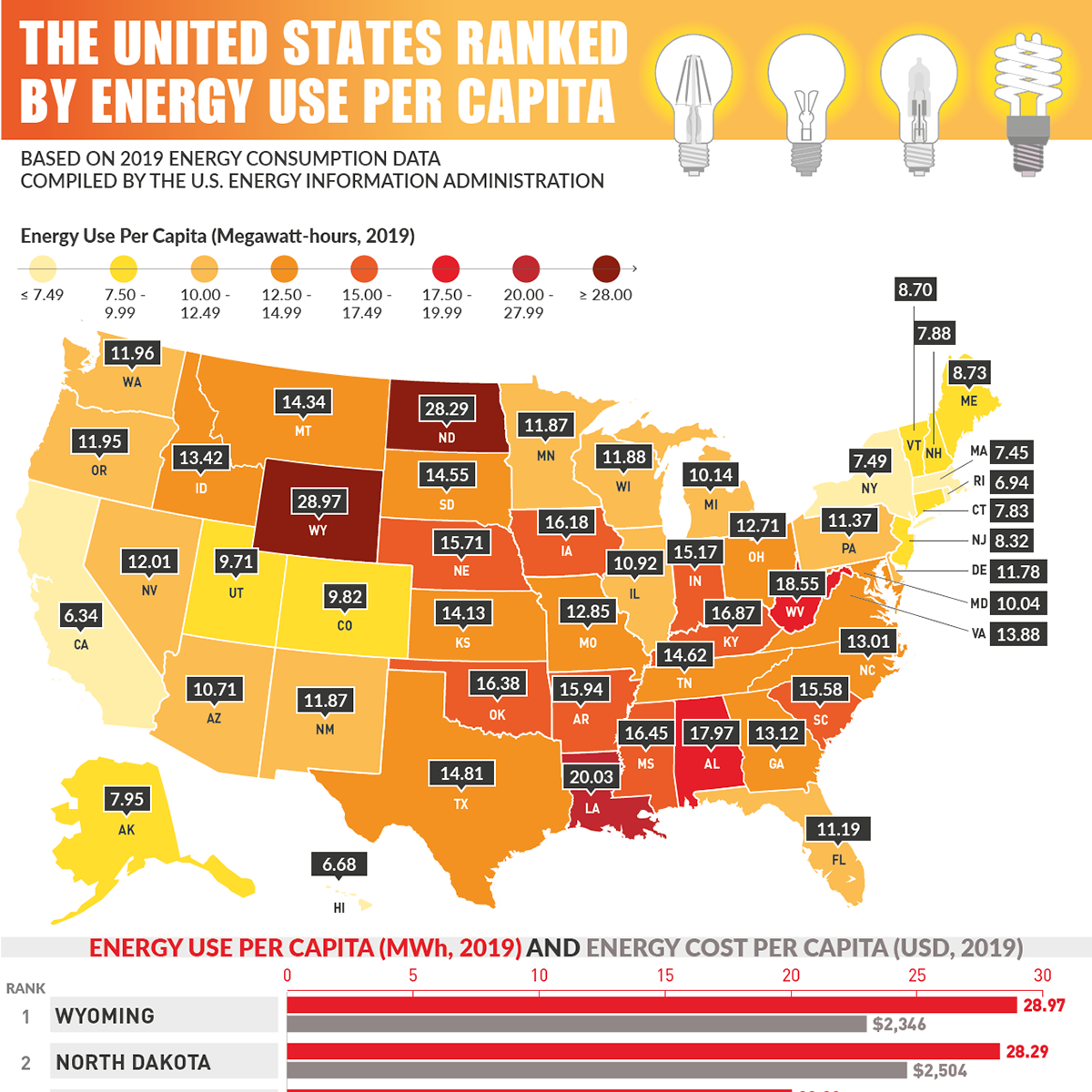
Why Should You Care? (Besides Saving Money!)
Okay, so we use a lot of energy. Big deal, right? Wrong! Understanding our energy consumption is super important for a few key reasons:
- Our Wallets: Energy costs money! The more efficiently we use energy, the lower our bills will be. Who doesn't want extra cash for that vacation or that fancy new gadget?
- The Environment: Most of our energy still comes from fossil fuels (like coal and natural gas). Burning these fuels releases greenhouse gasses, which contribute to climate change. Using less energy (and switching to cleaner sources) helps protect our planet.
- Energy Security: Relying on foreign sources of energy can make us vulnerable. By developing our own renewable energy sources (like solar and wind), we can become more energy independent and secure.
Think of it this way: choosing energy-efficient appliances, turning off lights when you leave a room, and driving a fuel-efficient car are all small steps that can make a big difference. It's like choosing to recycle – every little bit helps!
What Can You Do? (Be an Energy Superhero!)
So, you're ready to become an energy superhero? Awesome! Here are a few simple things you can do to reduce your energy footprint:
- Switch to LED light bulbs: They use way less energy than traditional incandescent bulbs.
- Unplug electronics when you're not using them: Even when turned off, they can still draw power (it's called "phantom load").
- Use energy-efficient appliances: Look for the Energy Star label when buying new appliances.
- Adjust your thermostat: Turn it down a few degrees in the winter and up a few degrees in the summer.
- Drive less: Walk, bike, carpool, or use public transportation whenever possible.
These are just a few ideas, but the possibilities are endless! Get creative and find ways to save energy in your daily life. Every little action counts!
The United States uses a significant amount of energy each year. By understanding where that energy goes and how we can use it more efficiently, we can save money, protect the environment, and build a more secure energy future. So, let's all do our part to become energy superheroes!