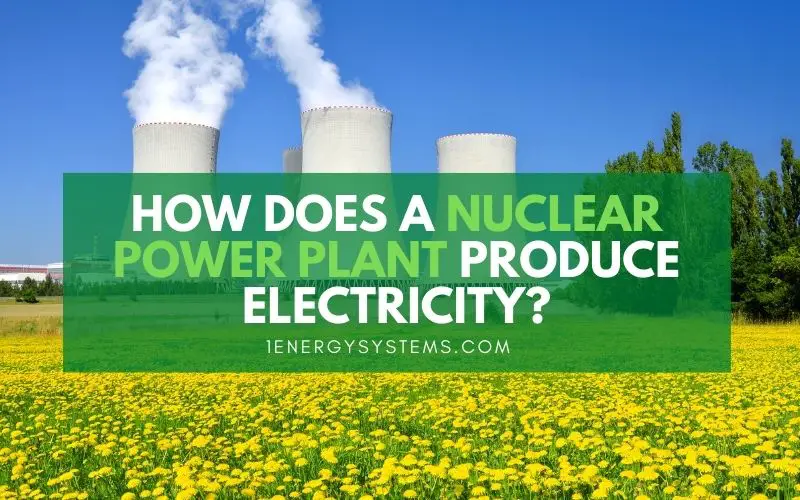
How Much Energy Does Nuclear Power Plant Produce
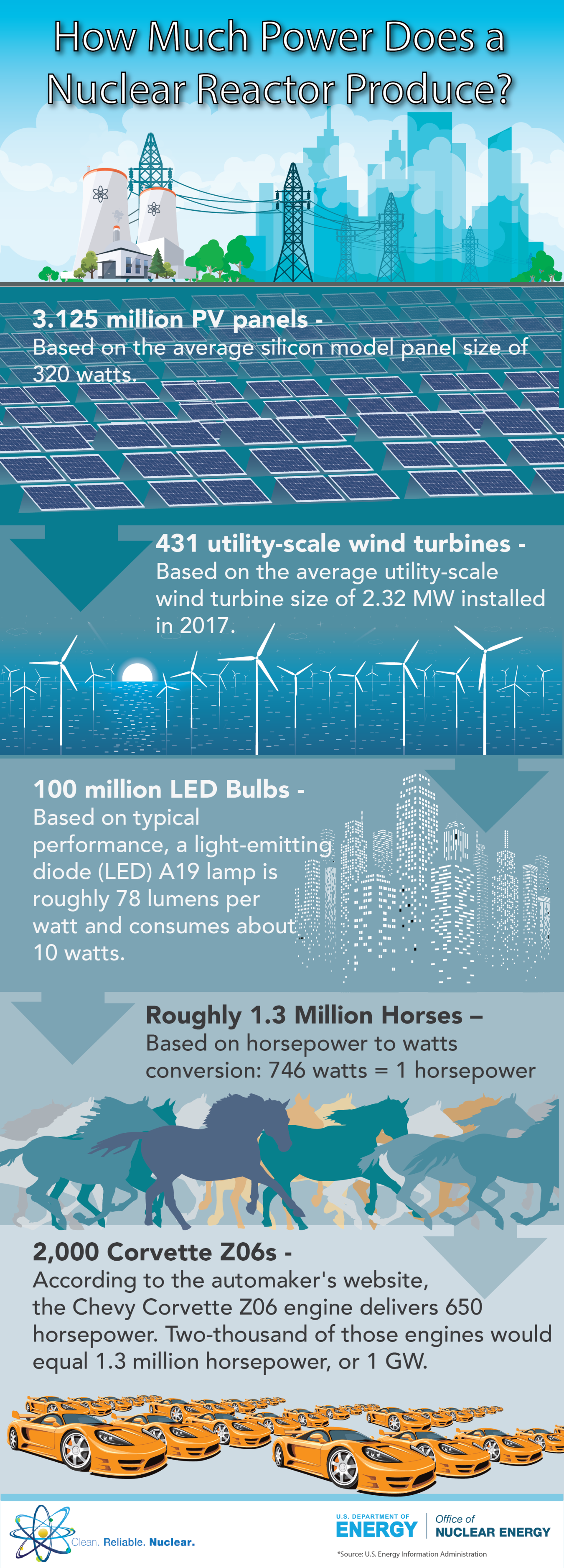
Ever wonder about the incredible scale of energy that powers our modern world? We flip a switch, and lights come on; we plug in our devices, and they charge. But behind that effortless convenience lies a monumental effort of energy generation. And when it comes to sheer, unadulterated power, few sources can rival the output of a nuclear power plant. It's like comparing a regular battery to a giant, never-ending power core from a sci-fi movie – truly fascinating stuff!
Nuclear power plants are often seen as these mysterious, futuristic fortresses of energy, and for good reason. Their primary purpose is to provide a reliable and consistent source of electricity, often referred to as "baseload" power. This means they run almost constantly, supplying a steady stream of power to the grid, unlike intermittent sources like solar and wind that depend on weather conditions. The benefits are huge: stable energy supply, energy independence, and most importantly for our planet, near-zero greenhouse gas emissions during operation. They're a vital player in the fight against climate change, offering a powerful, carbon-free alternative to burning fossil fuels.
So, how much juice are we talking about here? Prepare to have your mind blown. A single, typical commercial nuclear reactor can produce anywhere from 1,000 to 1,500 megawatts (MW) of electricity. To put that into perspective, 1,000 MW is enough to power a city of about 750,000 to 1 million homes! Imagine one facility keeping a significant metropolitan area buzzing with light, heat, and technology, day in and day out, for months on end without refueling. It's an engineering marvel.
Must Read
The magic behind this immense power lies in the fuel itself. Nuclear fission, the process used in these plants, involves splitting tiny atoms of uranium. The energy packed into just a small amount of nuclear fuel is truly staggering. For example, a single uranium fuel pellet, about the size of an eraser on a pencil, contains as much energy as one ton of coal, three barrels of oil, or 17,000 cubic feet of natural gas! This incredible energy density means that nuclear plants require relatively little fuel to produce massive amounts of power, and they can operate for long periods – often 18 to 24 months – before needing to be refueled.
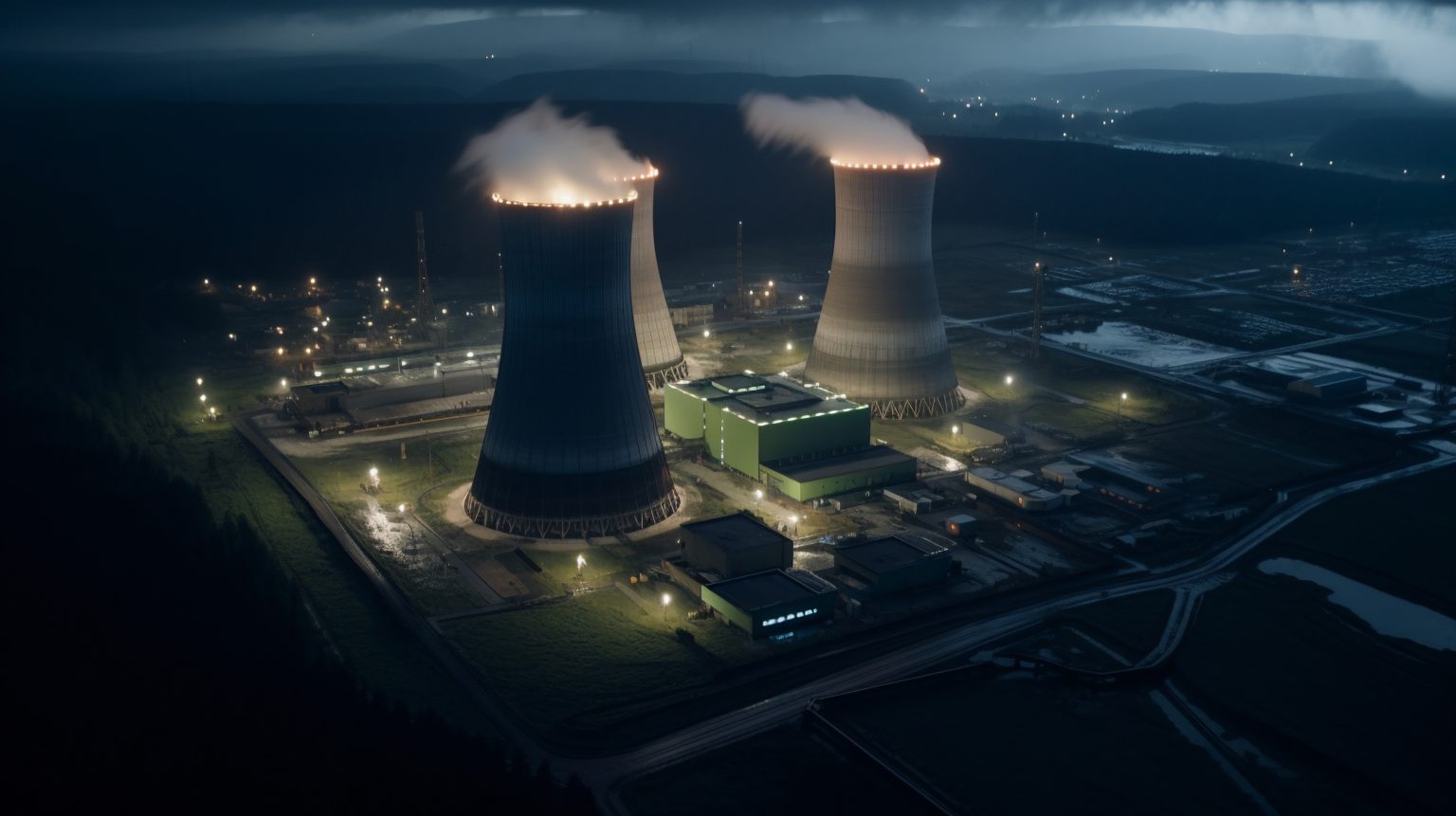
Furthermore, nuclear power plants boast an incredibly high capacity factor. This means they operate at or near their maximum power output over 90% of the time, making them one of the most efficient and dependable forms of electricity generation available. They don't just produce a lot of energy; they produce it consistently and dependably. This constant flow of electricity is what keeps hospitals running, factories producing, and our digital lives humming along without interruption.
In essence, nuclear power plants are the quiet giants of the energy world. They churn out an extraordinary amount of clean, reliable power, underpinning much of our modern infrastructure with a steady, powerful hum. Next time you flick a switch, take a moment to appreciate the immense, almost sci-fi level of energy production happening silently in a nuclear power plant, keeping our world powered up for a brighter, cleaner future!