How Much Energy Does Hydroelectric Energy Produce

Ever flipped a light switch and thought about where that electricity actually comes from? We often take it for granted, but behind the scenes, there’s a whole world of energy generation happening. And one of the big players in that world is hydroelectric power – electricity made by the power of water! But how much energy does it really produce? Let's dive in, shall we?
The Big Picture: Hydro's Role in Powering Our World
Think of your morning routine. You might brew a coffee, toast some bread, check your phone, and maybe even watch a bit of TV. All of those things need electricity! A good chunk of that electricity is probably thanks to hydroelectric dams. Globally, hydro is a major source of renewable energy. It’s responsible for a significant percentage of the world's electricity production. To get a sense of the scope, globally, it produces around 16% of the world's total electricity. It's like one in every six light bulbs is powered by water! That's a lot of water and a lot of bulbs.
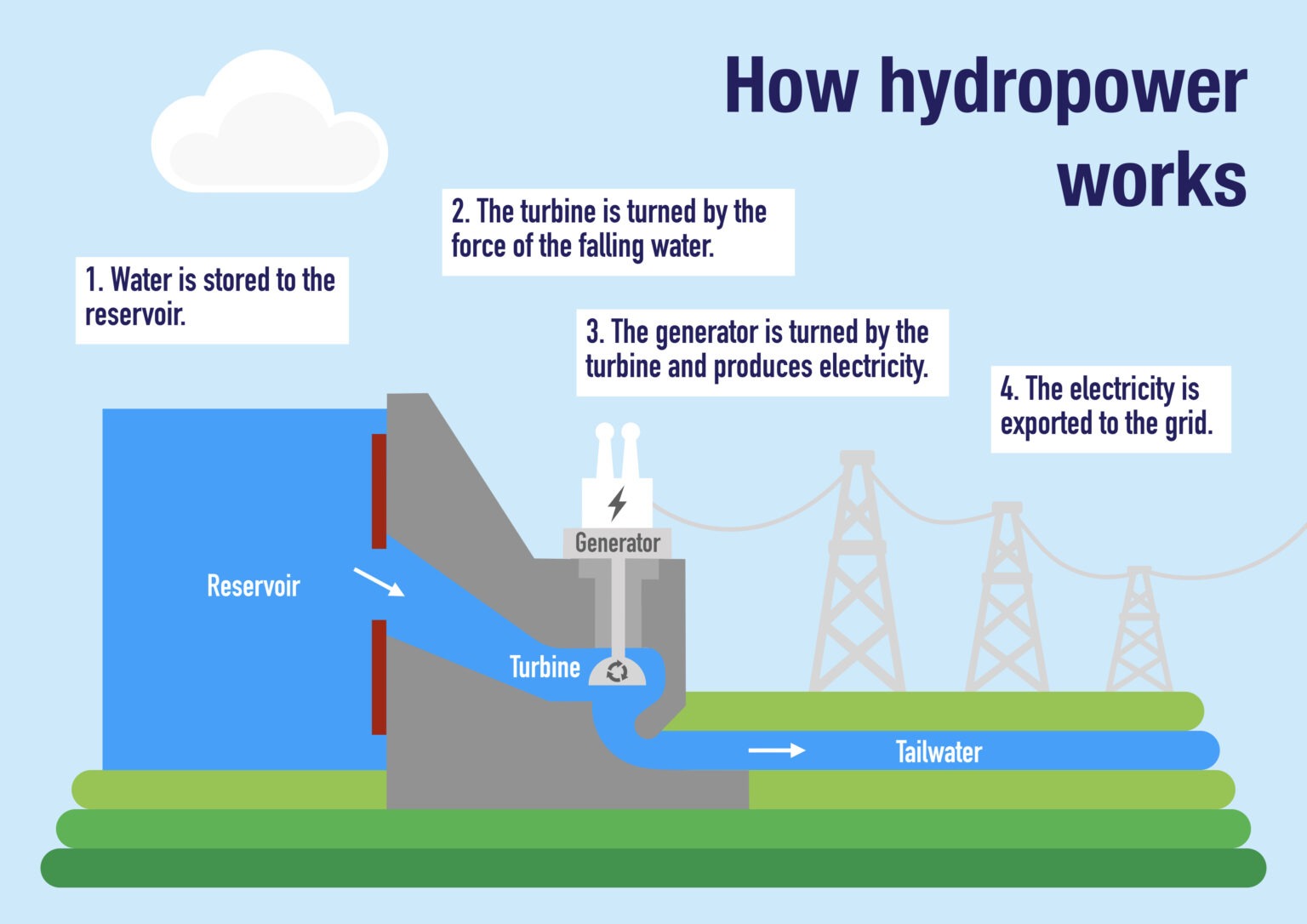
The amount of energy a specific dam produces depends on a few key things. First, there's the volume of water – the more water flowing through, the more potential energy we can tap into. Imagine trying to push a small toy boat across a bathtub versus trying to push a massive ocean liner – the ocean liner needs a LOT more force, right? Same principle applies to water flowing through a hydro dam.
Must Read
Then there's the height of the water drop. This is called the "head." A higher drop means more gravitational force, which translates to more energy. Picture this: dropping a bouncy ball from your waist versus dropping it from the roof. The roof-drop gives you a much bigger bounce! Water falling from a great height through a dam spins the turbines with more force, generating more electricity.
Numbers Don't Lie (But They Can Be a Little Dry): Some Examples
Okay, let's get a little more specific, without getting bogged down in too many technical details. Think about some famous dams. The Three Gorges Dam in China, for example, is the world's largest hydroelectric power station. It's capable of generating a staggering amount of electricity. Its output is so enormous that if you had to compare it, it would be like supplying power to several very large cities. It is a BEAST!
But not all hydro plants are massive giants. There are also smaller-scale hydro projects, sometimes called "small hydro" or even "micro hydro." These might power a single building or a small community. Think of a mountain stream powering a little mill. These smaller projects are fantastic for providing local, sustainable energy.
Why Should You Care? (Hint: It's About More Than Just Keeping the Lights On)
So, why should you care about how much energy hydroelectric power produces? Well, for a few reasons! First, it's a renewable energy source. Unlike fossil fuels, which are finite and pollute our planet, water is (generally) a renewable resource. As long as it rains, we can keep generating electricity using hydro.

Secondly, hydro can be a relatively clean energy source. While the construction of dams can have environmental impacts (like altering river ecosystems), hydroelectric power itself doesn't directly release greenhouse gases into the atmosphere like coal or gas power plants do.
Finally, thinking about where our energy comes from helps us be more mindful consumers. When we understand the resources and effort that go into powering our lives, we might be more inclined to conserve energy – turning off lights when we leave a room, unplugging chargers when they're not in use, and being generally more conscious of our energy footprint.
Ultimately, hydroelectric power is a crucial part of the global energy mix. Understanding its potential, its limitations, and its role in a sustainable future is important for everyone. And who knows, maybe one day you'll visit a hydroelectric dam and appreciate the sheer power and ingenuity that goes into turning the force of water into the electricity that powers our lives. Now that's something to think about next time you flip that light switch!