How Much Energy Does A Solar Panel Produce Per Day
Ever looked up at the sun and wondered, "Could I actually power my life with that thing?" The idea of harnessing the sun's energy is incredibly appealing, and with solar panels becoming increasingly common, it's a question more and more people are asking. Figuring out how much energy a solar panel produces in a day isn't just some abstract calculation; it's the key to understanding if solar power is a viable option for you – whether you're thinking of offsetting your electricity bill, reducing your carbon footprint, or just geeking out on renewable energy.
So, what exactly does a solar panel do? In essence, it's a device that converts sunlight into electricity through a process called the photovoltaic effect. Photons, tiny particles of light, knock electrons loose from atoms within the silicon material of the panel, creating an electric current. This current is then converted into usable electricity for your home or business. The benefits are numerous. Firstly, it's a clean energy source, reducing reliance on fossil fuels and lowering greenhouse gas emissions. Secondly, it can save you money on your electricity bills, sometimes even eliminating them entirely. And thirdly, it increases energy independence, allowing you to generate your own power.
Understanding solar panel output has many practical applications. In education, schools are increasingly using solar panels as a teaching tool, allowing students to monitor energy production and learn about renewable energy firsthand. In daily life, knowing how much energy your solar panels produce can help you make informed decisions about your energy consumption. For example, you might choose to run your dishwasher during peak sunlight hours to maximize the use of solar energy. Many modern solar panel systems even come with monitoring apps, allowing you to track your energy production in real-time, making it a kind of fun game to see how much sunlight you can capture and use.
Must Read
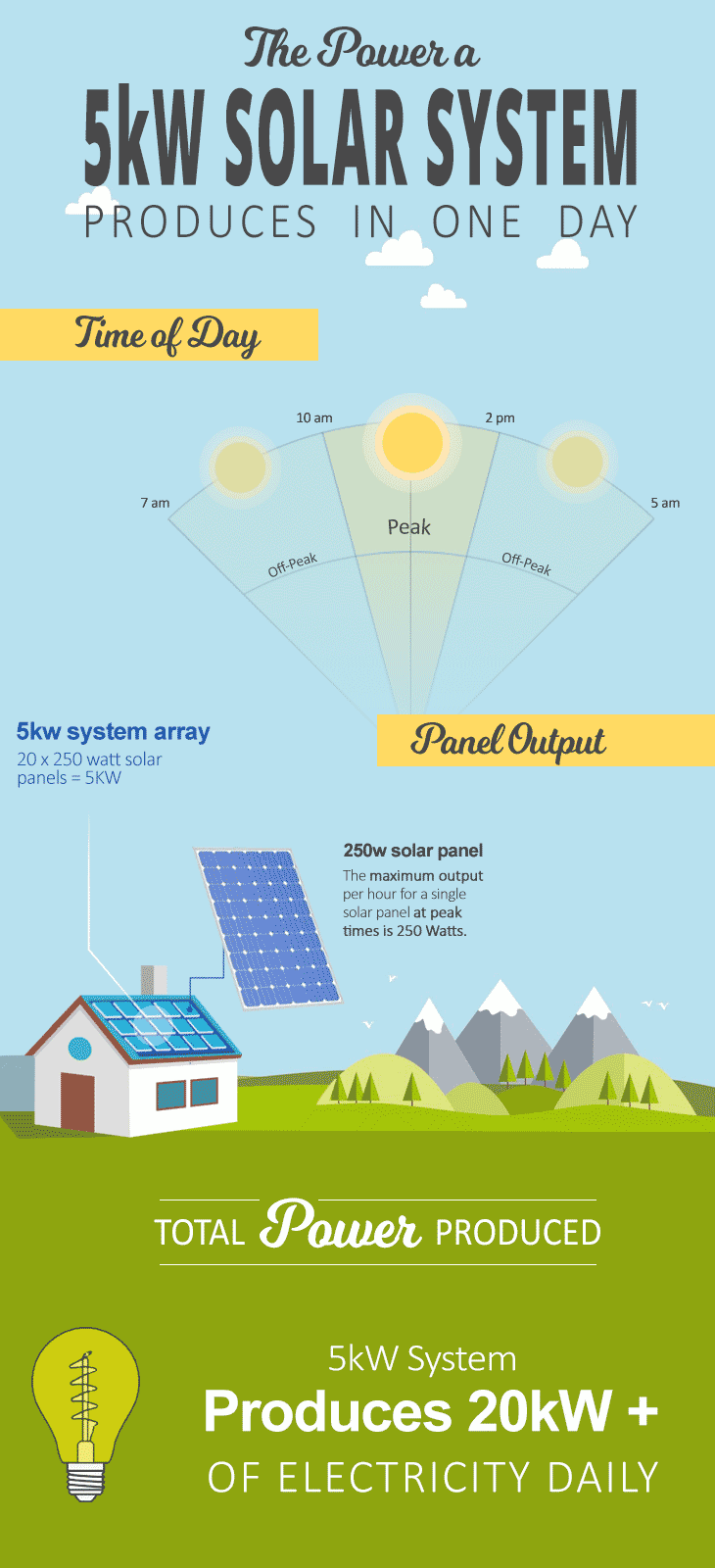
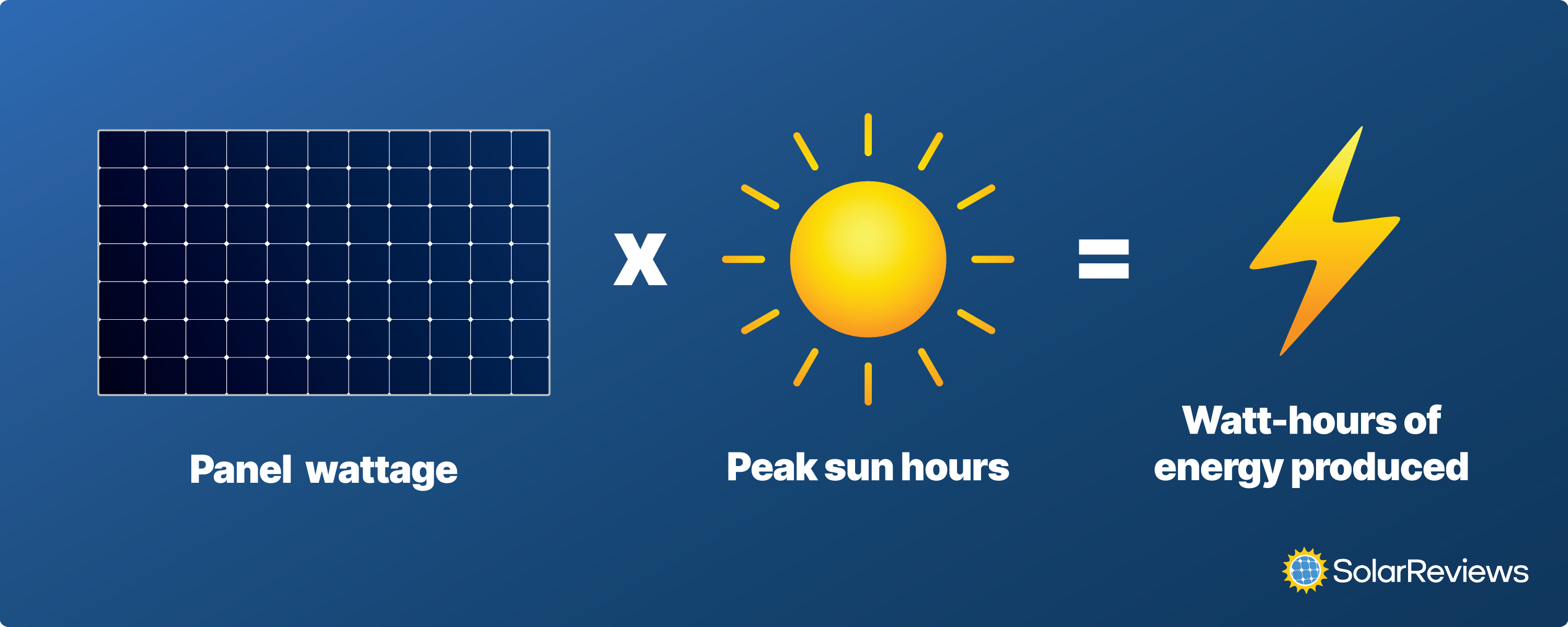
The amount of energy a solar panel produces per day depends on several factors. These include the panel's wattage rating (a measure of its maximum power output under ideal conditions), the amount of sunlight it receives (which varies depending on location, time of year, and weather), and the panel's orientation (its angle and direction relative to the sun). A typical 300-watt solar panel, for example, might produce around 1.5 kilowatt-hours (kWh) of electricity on a sunny day. However, this is just an estimate, and the actual output can vary significantly.
Want to explore this further? Here are a few simple things you can do. Start by researching the average sunlight hours in your area using online resources. Then, look up the wattage rating of a typical solar panel. From there, you can use online solar calculators to estimate the potential energy production of a solar panel in your specific location. Even better, if you have a neighbor with solar panels, strike up a conversation and ask them about their experience and energy production! Many local solar installers also offer free consultations and can provide accurate estimates based on your specific needs and conditions. Exploring the world of solar energy is not only fascinating but also empowering. It’s about understanding how we can create a more sustainable future, one sunbeam at a time.
![How much electricity do solar panels produce? [UK, 2024]](https://images.prismic.io/sunsave-website/ZnxEJZbWFbowe4jR_graphic-Solarpaneloutput.jpg?auto=format,compress?auto=compress,format)
![How much electricity do solar panels produce? [UK, 2025]](https://images.prismic.io/sunsave-website/Z64Jh5bqstJ9-lRu_Cutyourenergybillswithsolar-final-.png?auto=format%2Ccompress&fit=max&w=3840)