How Much Energy Can Hydroelectricity Produce
Okay, so you're wondering about hydroelectricity, huh? Like, how much oomph can we really get from those giant dams? It's a fair question! Think of it this way: water, gravity, and a whole lotta engineering. What could possibly go wrong...besides, you know, the occasional beaver incident?
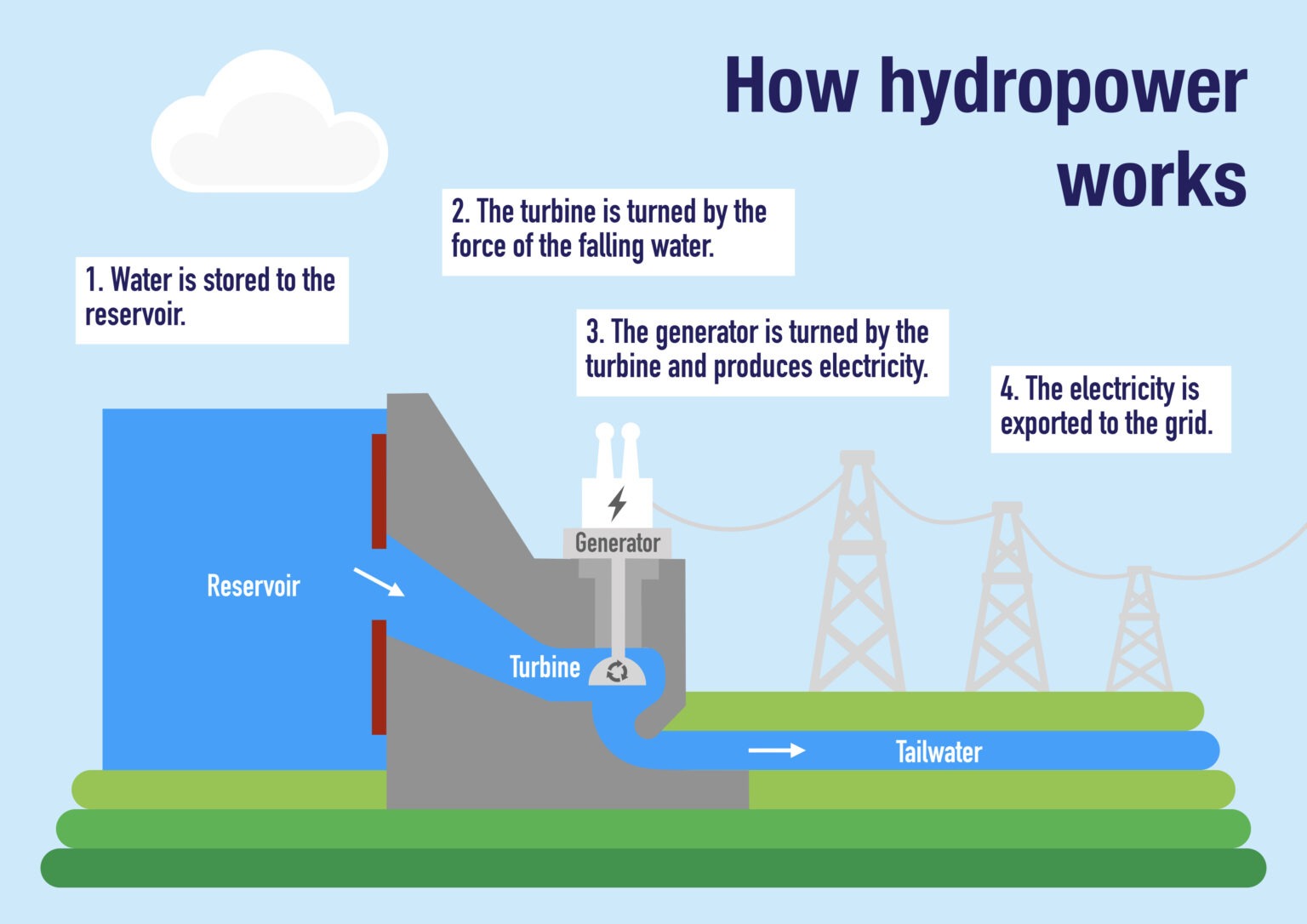
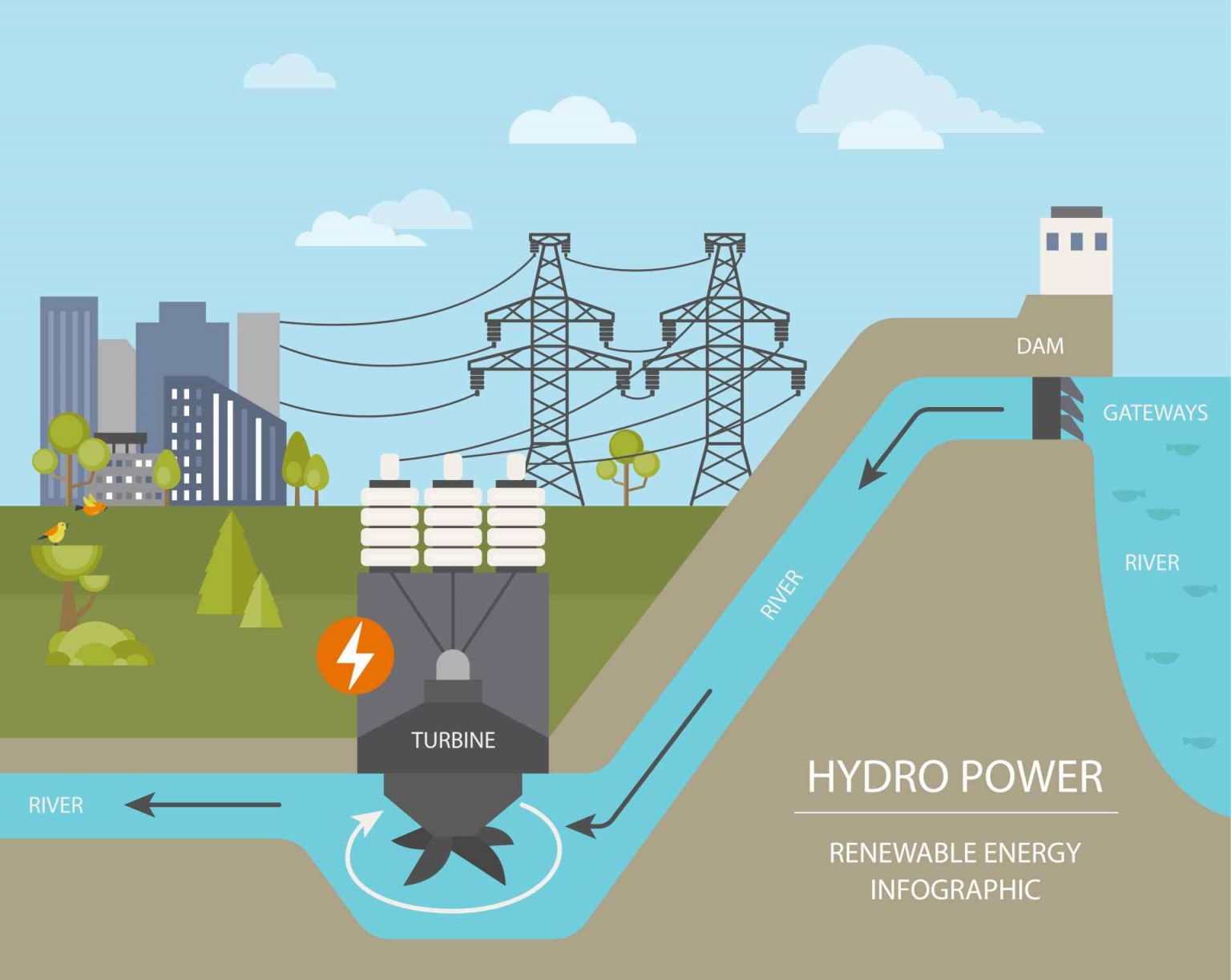
Let's break it down. Hydroelectricity, at its core, is all about converting the potential energy of water held at a higher elevation into kinetic energy as it rushes downhill, and then finally into sweet, sweet electricity. It's like a watery rollercoaster for electrons!
The Big Factors: Head and Flow
Two main things determine how much power we can squeeze out of a hydroelectric plant: the head and the flow. Sounds kinda sci-fi, right?
Must Read
Head is basically the vertical distance the water drops. Think of it like this: the higher the waterfall, the more oomph the water has when it hits the bottom. More oomph means more spin for the turbines! It's all connected, man.
And flow? That's just the volume of water passing through the turbines per unit of time. More water? More power! Simple as that. It’s like saying, would you rather be splashed by a single cup of water or a whole swimming pool? The swimming pool wins, hands down (unless you're a cat, maybe).
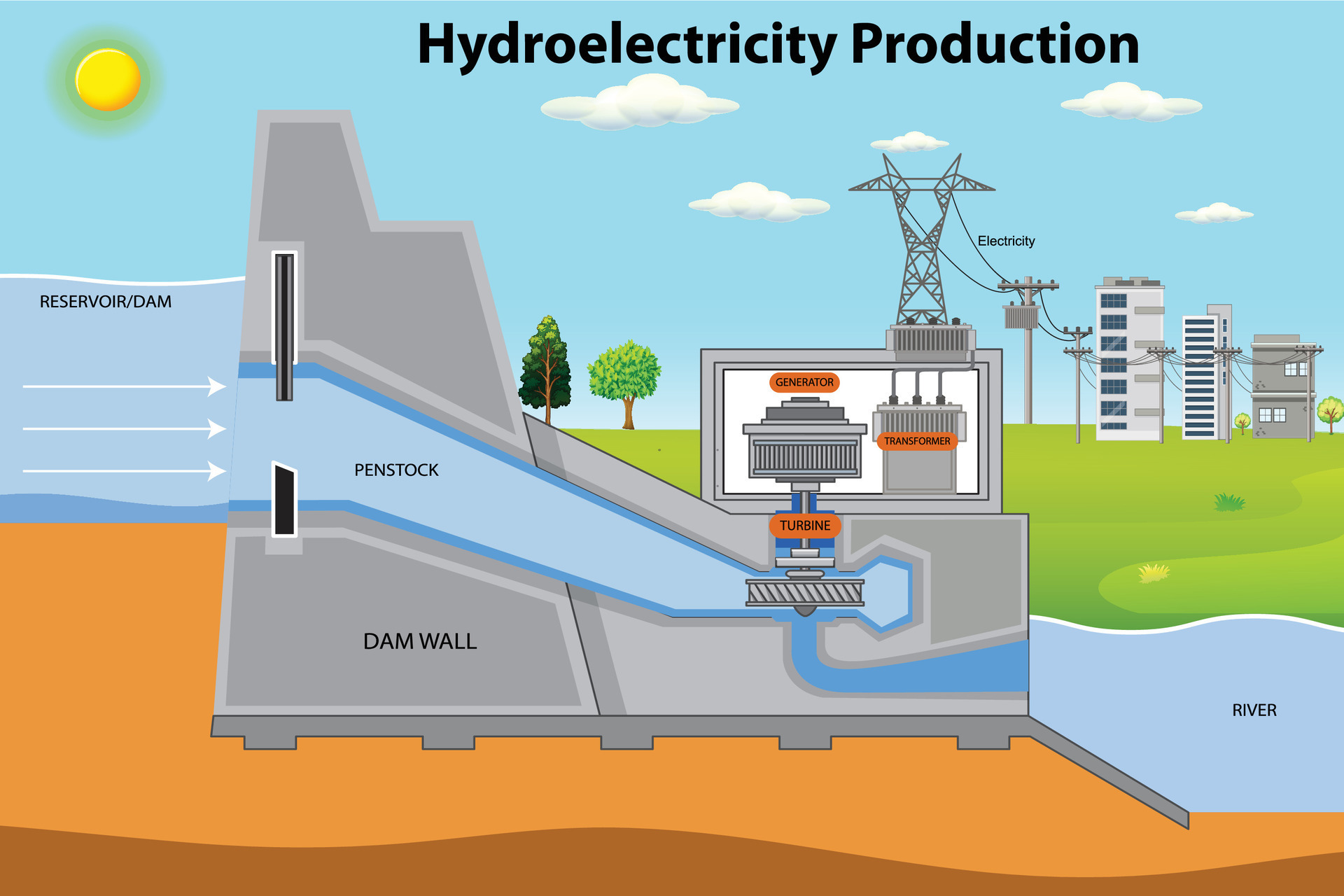
So, the equation is something like: Power = Head x Flow x Efficiency. Don't worry, there won't be a quiz. Efficiency refers to how well the whole system converts the water's energy into electricity. Some energy is always lost due to friction and other fun things like that. Physics, gotta love it (or at least tolerate it).
Numbers, Numbers Everywhere!
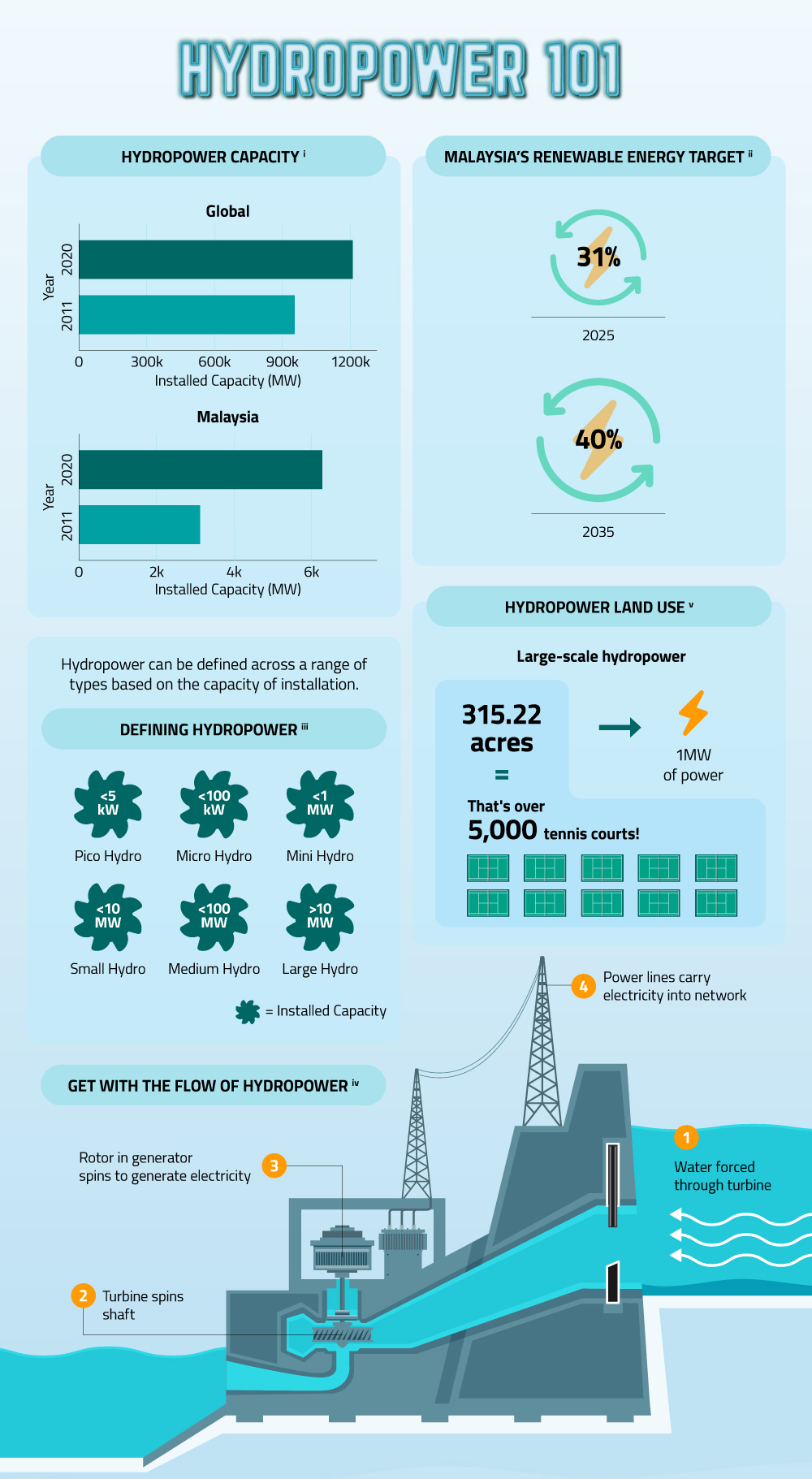
Alright, let's talk actual numbers. How much can a typical hydroelectric plant produce? Well, it really varies. A small run-of-the-river plant might generate only a few kilowatts (kW) – enough to power a handful of homes. Cute, right?
But the big boys, like the Hoover Dam? We're talking gigawatts (GW) of power! One gigawatt is a billion watts! That's enough to power hundreds of thousands of homes. It's like having a tiny sun contained within a concrete structure. Pretty impressive, if you ask me.
The Three Gorges Dam in China, for example, is the world's largest hydroelectric power station. It can crank out over 22.5 GW! That's like, what, enough to power a small country? Okay, maybe a large city. Still, it's a lot!
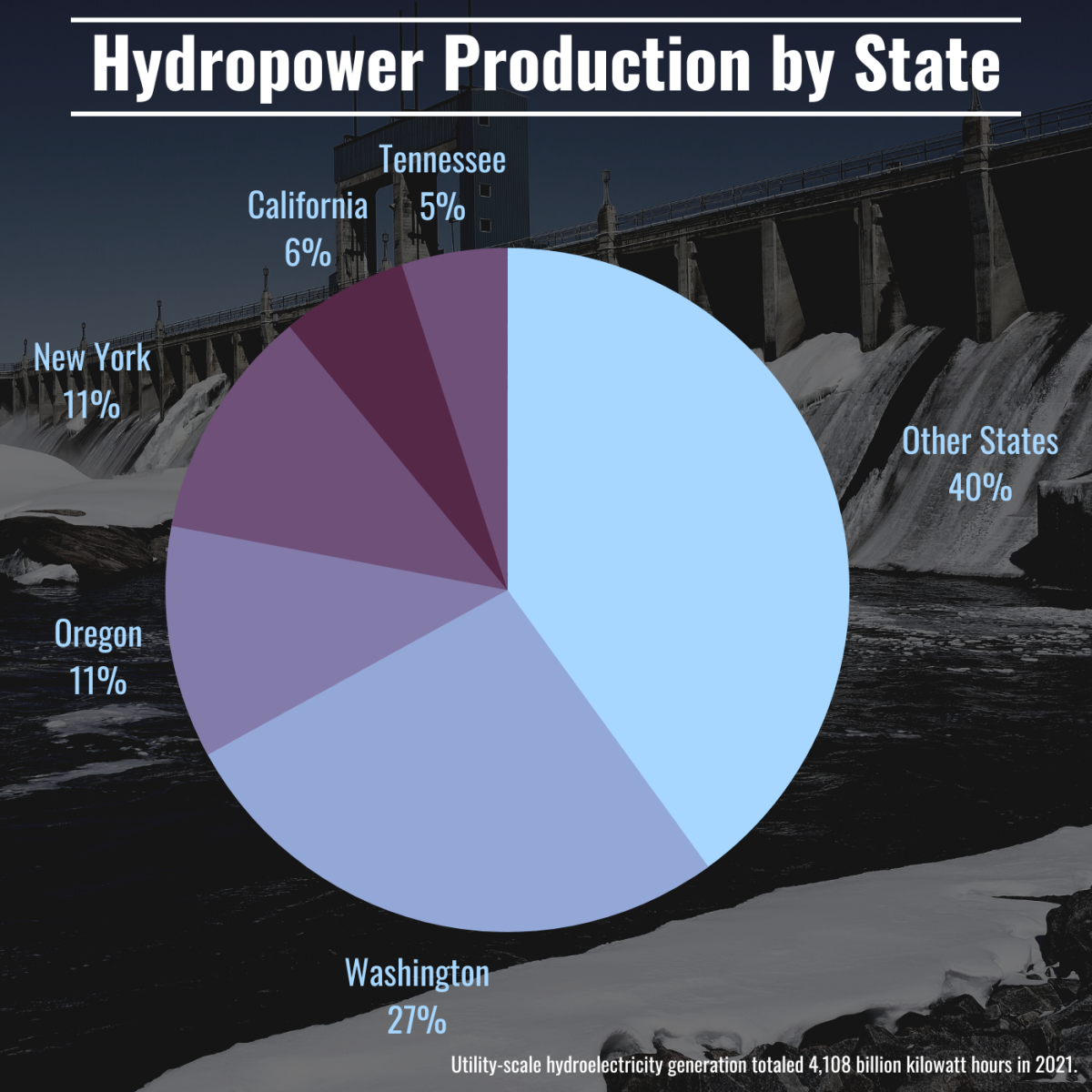
But here’s the thing: these giant dams aren’t exactly environmentally friendly. They can flood large areas, disrupt ecosystems, and even displace people. So, it's a bit of a balancing act, isn't it? Power vs. preserving the planet? Tough choices, my friend, tough choices.
So, How Much Can Hydro Produce?
The answer, unsatisfyingly, is: it depends! It depends on the size of the dam, the amount of water available, the height of the drop, and a whole bunch of other factors. It's like asking how much pie you can eat – it depends on how big the pie is and how hungry you are! And whether or not your mom is watching.
But generally speaking, hydroelectricity is a significant and renewable source of energy. It's not perfect, but it's a heck of a lot better than burning fossil fuels, right? Plus, who doesn't love the sheer awesomeness of a massive dam holding back a river? It's kinda...majestic, in a concrete-and-steel sort of way.
So, next time you flip on a light switch, remember the humble hydroelectric dam, quietly (or not so quietly) converting the power of water into the electricity that keeps our world humming. And maybe spare a thought for the fish trying to swim upstream. They're doing their best!