
How Much Electricity Will A Solar Panel Produce
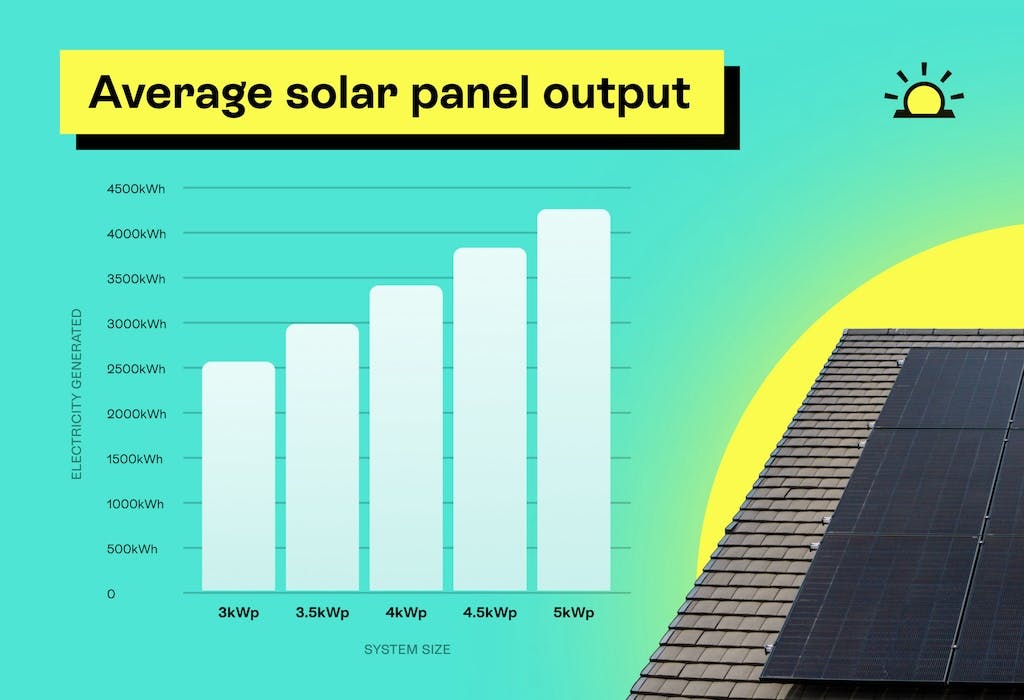
Okay, so you're thinking about solar panels, huh? Smart move! But then the big question hits you: How much juice are these things actually going to give me? Let's dive in, shall we?
The Million-Watt Question (Well, Not Really)
First things first, there's no one-size-fits-all answer. It's like asking how much gas a car gets. Depends on the car, right? And how you drive it! Solar panels are the same.
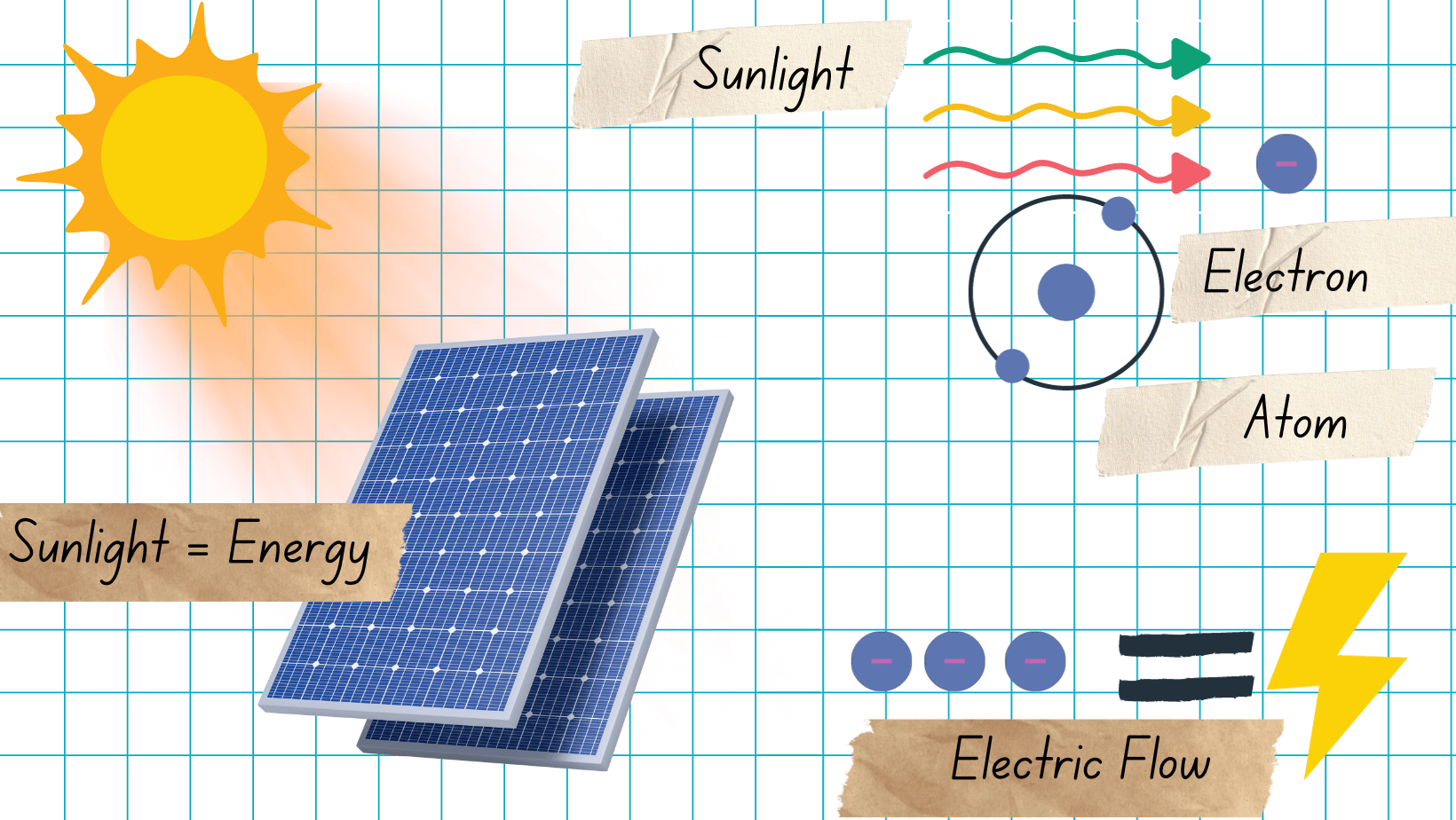
Generally, a solar panel's output is measured in watts (W). A typical solar panel these days? We're talking somewhere between 300W and 400W. Not bad, eh?
Must Read
But hold on a sec! That's under perfect conditions. We're talking direct sunlight, panel angled just right, temperature not too hot (solar panels actually get a little less efficient when they're super hot – who knew?). Think of it as the panel's "ideal selfie" situation.
In reality? You're probably not going to get that perfect output all the time. Unless you live in, like, a solar panel testing lab in the desert.
Sunshine, Sunshine, Wherefore Art Thou Sunshine?
The biggest factor, obviously, is sunlight. No sun, no power (duh!). Think about where you live. Seattle? You might get less than someone in Phoenix. (Sorry, Seattle friends! I still love your coffee!)
![How much electricity do solar panels produce? [UK, 2025]](https://images.prismic.io/sunsave-website/Z64Jh5bqstJ9-lRu_Cutyourenergybillswithsolar-final-.png?auto=format,compress)
Solar professionals often use a term called "sun hours." This is basically how many hours of peak sunlight your area gets per day. You can usually find this info online – just Google something like "[Your City] sun hours" and you'll get a rough idea.
More sun hours? More power! Less sun hours? Well, you get the idea.
Size Matters (Panel Size, That Is!)
Okay, so a 400W panel sounds great, right? But what does that actually mean in terms of electricity production?
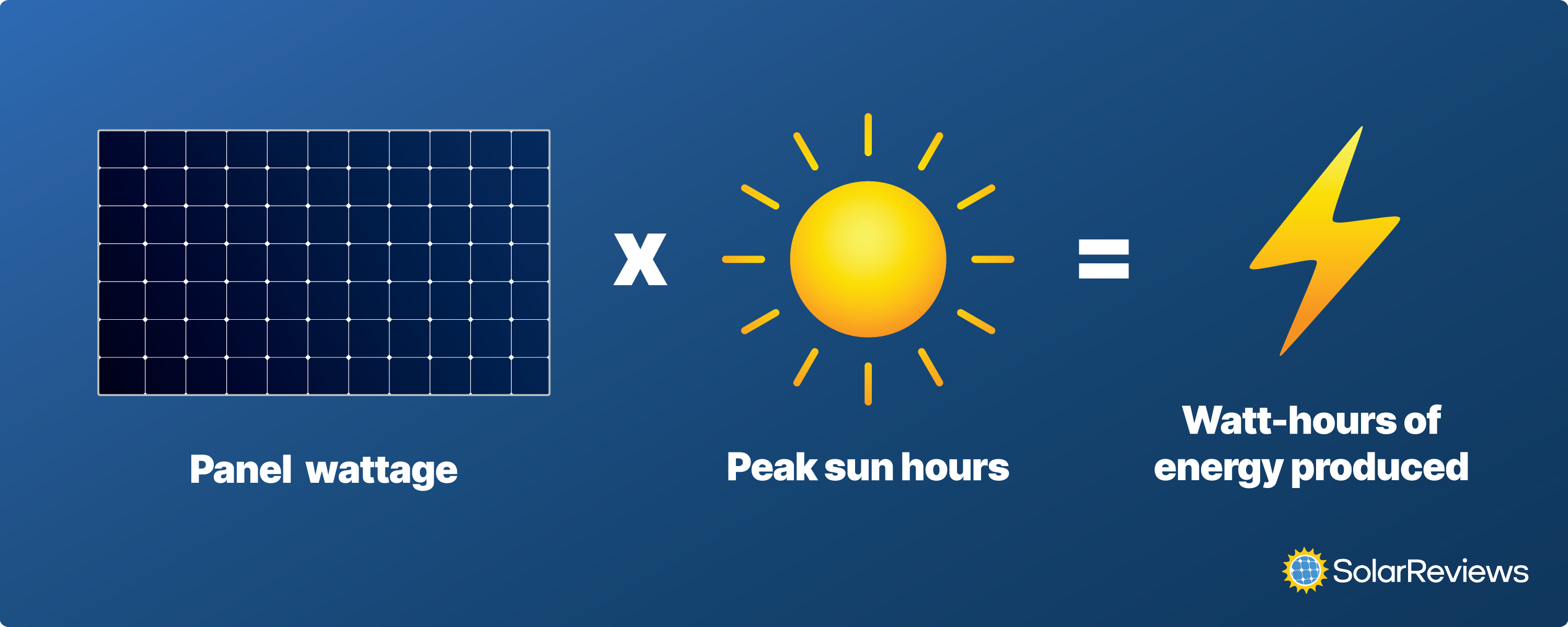
To figure that out, you need to consider how long the sun shines on your panels each day. Let’s say you get, on average, 5 hours of peak sunlight. In that case, a 400W panel could potentially generate around 2 kilowatt-hours (kWh) of electricity per day. (400W x 5 hours = 2000 Wh = 2 kWh).
Keep in mind: that's a potential output. There are other factors that can affect the actual amount you get.
Tilt, Angle, and the Great Solar Panel Positioning Game
The angle of your panels matters too! You want them facing the sun as directly as possible. Like a sunflower, chasing that golden light! If they're not angled correctly, you're losing out on potential power.
And don't forget about shading! Trees, buildings, even a rogue flag pole can cast shadows that reduce your panel's output. Make sure your panels have a clear view of the sky. It is a solar panel system, not a shade panel system.
Panel Efficiency: Are All Panels Created Equal?
Nope! Some panels are more efficient than others. This means they can generate more electricity from the same amount of sunlight. Think of it like this: one panel might be a super-efficient solar ninja, while another is… well, less ninja-y.
Look for panels with a higher efficiency rating when you're shopping around. It can make a difference!
So, What’s the Bottom Line?
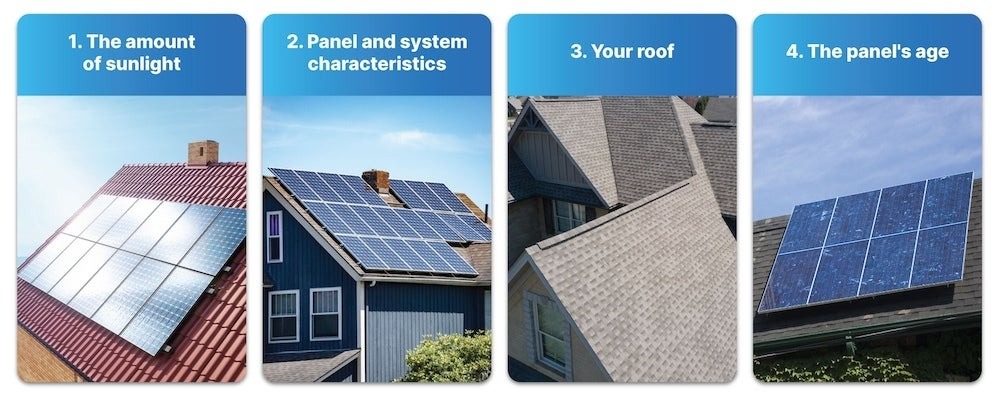
Alright, let's recap. How much electricity will a solar panel produce? It depends on:
- The panel's wattage
- The amount of sunlight your area gets
- The angle and tilt of the panels
- Any shading that might occur
- The panel's efficiency
Want to get a more precise estimate? Talk to a solar installer! They can assess your specific situation and give you a realistic idea of what you can expect.
Don't be afraid to ask questions! No question is a silly question when it comes to solar. And remember, even if you don't get exactly the amount of power you were hoping for, you're still doing your part to help the environment. Which is pretty darn awesome, wouldn't you say?