
How Much Electricity To Charge Electric Car

Okay, let's talk electric cars! You're thinking about making the switch, right? Awesome! Maybe you're already cruising around in one. Even better! But a question probably pops into your head (and it's a good one!): How much electricity does it actually take to charge one of these things? Don't worry, we're going to break it down in a way that's easy to understand and, dare I say, even a little… fun?
See, understanding your electric car's energy needs isn't just about saving money (though it definitely helps!). It's about feeling empowered, like you're in control of your own energy destiny! It's like unlocking a secret level in the game of adulting. Ready to level up?
The Basics: kWh and Battery Size
First, a quick science lesson (but I promise it won't be boring!). We measure electricity in kilowatt-hours (kWh). Think of it like gallons of gas, but for electrons! Your electric car has a battery, measured in kWh as well. This number represents how much energy your battery can store. A bigger battery means more range (you can drive further!), but it also means it'll take more kWh to fill it up.
Must Read
For example, a Nissan LEAF might have a battery around 40 kWh, while a Tesla Model S could have a battery exceeding 100 kWh. Big difference, right? So, that's the first thing to consider: What's the size of your car's battery? Look it up in your owner's manual or online – it’s usually pretty easy to find.
Estimating Your Charging Needs
Now, let's get to the juicy part: figuring out how much electricity you'll actually use. The easiest way to estimate is to consider how often you’ll be completely draining your battery (spoiler alert: probably never!). Most people top up their battery regularly, rather than waiting for it to hit zero.
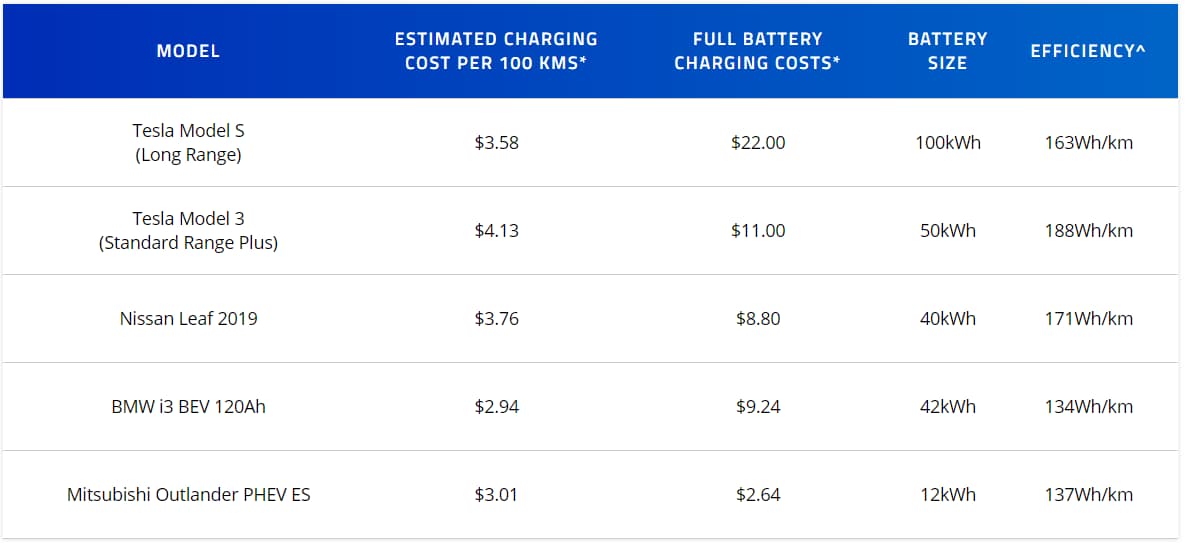
Let's say you drive 50 miles a day. Most electric cars get around 3-4 miles per kWh. (This varies depending on the car, driving style, and even the weather!) So, you'll need roughly 12.5 to 16.7 kWh per day to cover those 50 miles (50 miles / 3-4 miles/kWh = 12.5-16.7 kWh).
That’s a rough estimate, of course! But it gives you a good starting point.
Charging Levels and Efficiency
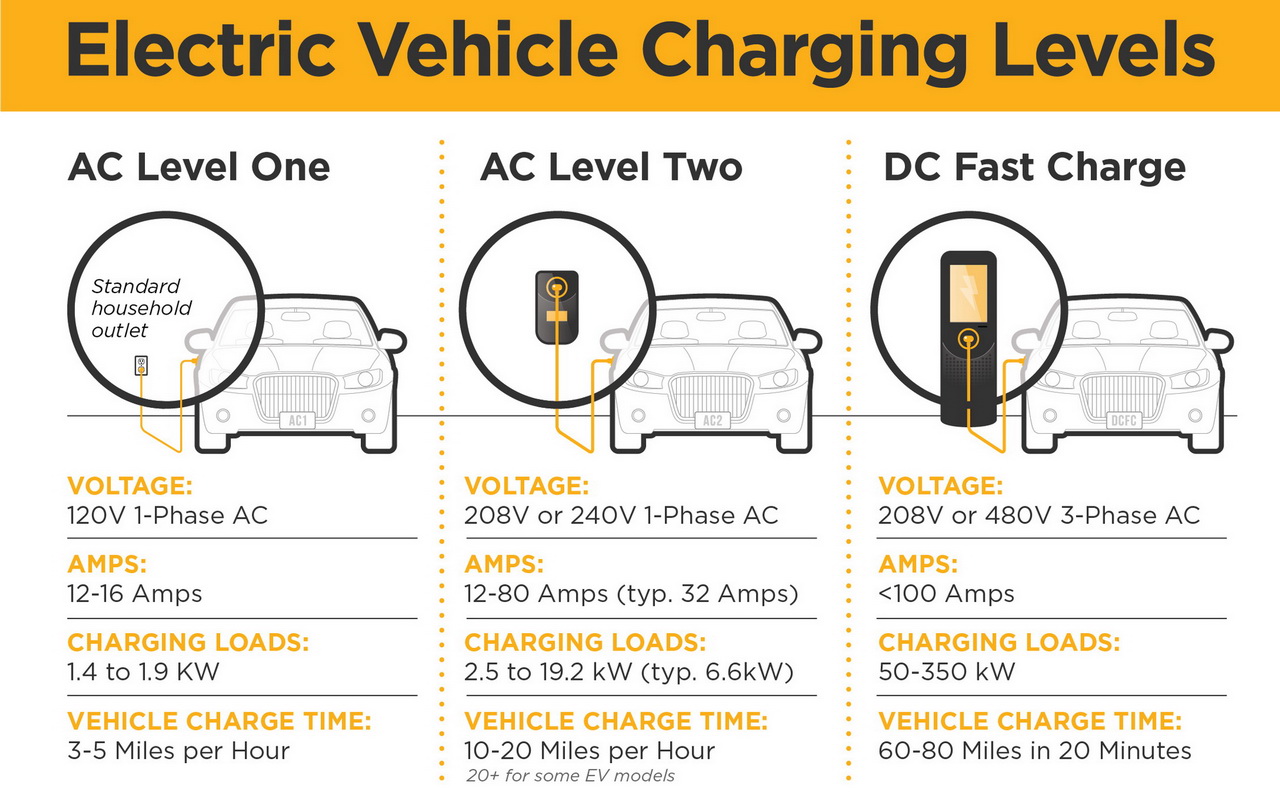
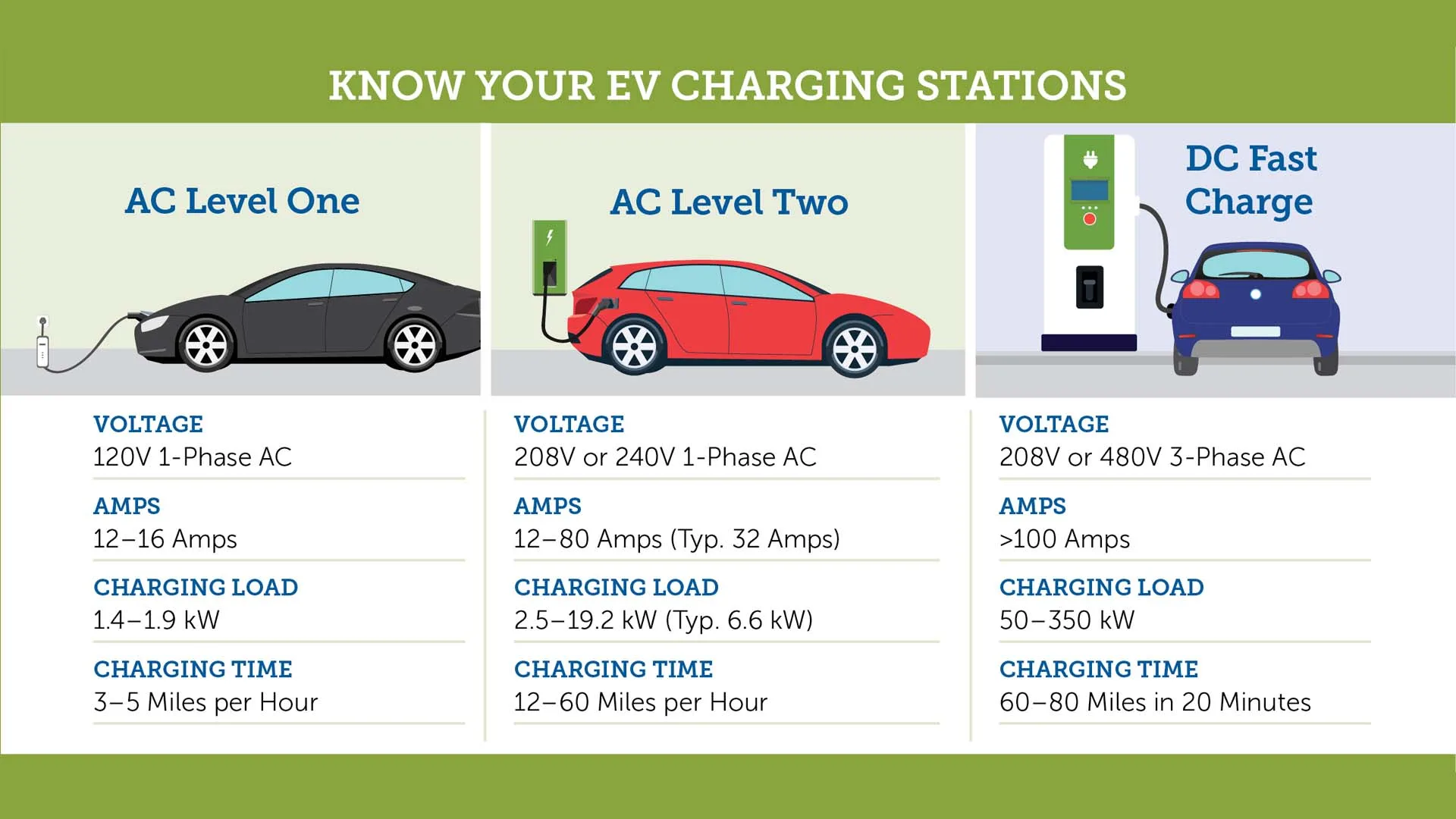
There are different levels of charging, and they affect how quickly you replenish your battery. Level 1 charging (using a standard household outlet) is the slowest – think of it as a trickle. Level 2 charging (using a 240-volt outlet, like for a dryer) is much faster and is what most people use at home. And then there's DC fast charging (at public charging stations), which can add a lot of range in a short amount of time.
Keep in mind that charging isn't perfectly efficient. Some energy is lost as heat. Generally, expect around 85-90% efficiency. So, if your car needs 10 kWh, you might actually draw 11-12 kWh from the grid.
The Cost Factor
Alright, let's talk money! How much does all this electricity cost? That depends on your electricity rate, which varies by location and time of day. Check your electricity bill to find your rate per kWh. Then, multiply that rate by the number of kWh you use to charge your car.
For example, if your rate is $0.15 per kWh and you use 15 kWh to charge your car, it will cost you $2.25 (15 kWh x $0.15/kWh = $2.25). Compare that to the cost of gasoline… suddenly, electric cars look even more appealing, don't they?
Many utility companies offer time-of-use rates, meaning electricity is cheaper during off-peak hours (like overnight). If you can charge your car at night, you can save even more money! This is where the fun really starts – optimizing your charging schedule to minimize costs. It's like a little puzzle to solve, and the reward is a lower electricity bill!
Apps and Tools to Help You
Luckily, you don't have to do all this math in your head! There are plenty of apps and tools that can help you track your energy usage, estimate charging costs, and even find the cheapest charging stations nearby. Many electric cars also have built-in features to monitor your energy consumption.
So, there you have it! Charging your electric car isn't a mystery. It's about understanding the basics of kWh, battery size, charging levels, and electricity rates. And once you have a handle on those, you can start optimizing your charging to save money and reduce your environmental impact. How cool is that?
Making the switch to electric is a journey, not a destination. It’s about learning, adapting, and embracing a cleaner, more sustainable future. Don't be afraid to experiment, ask questions, and explore all the resources available to you. You might be surprised at how much fun you have along the way!
The world of electric vehicles is constantly evolving, with new technologies and innovations emerging all the time. The more you learn, the more confident and empowered you'll feel. So, go out there, do some research, and get ready to experience the thrill of electric driving! You got this!